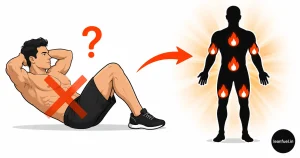
Most fat burners do not burn fat the way the label implies. They speed up your metabolism, suppress appetite, or give you enough caffeine to train harder — and the fat loss, if it happens, comes from the work you do after taking them, not from the pill itself.
That distinction matters more than most supplement brands want you to know.
If you are trying to figure out whether a fat burner is worth buying, this guide covers exactly how they work, what the ingredients actually do, what the research shows, and who should genuinely consider using one versus who is wasting money.
The Short Answer
- A fat burner is a supplement designed to increase metabolism, reduce appetite, or improve fat oxidation during exercise — not to directly dissolve stored fat.
- The most evidence-backed ingredients are caffeine, green tea extract (EGCG), and capsaicin — all of which produce modest effects at best.
- No fat burner works without a calorie deficit. The supplement amplifies results from diet and training; it does not replace them.
- Most proprietary blends sold in India contain underdosed active ingredients and are not worth the price relative to their actual effect.
- A well-structured diet and consistent training will always outperform any fat burner supplement taken without those foundations in place.
What Does a Fat Burner Actually Do?
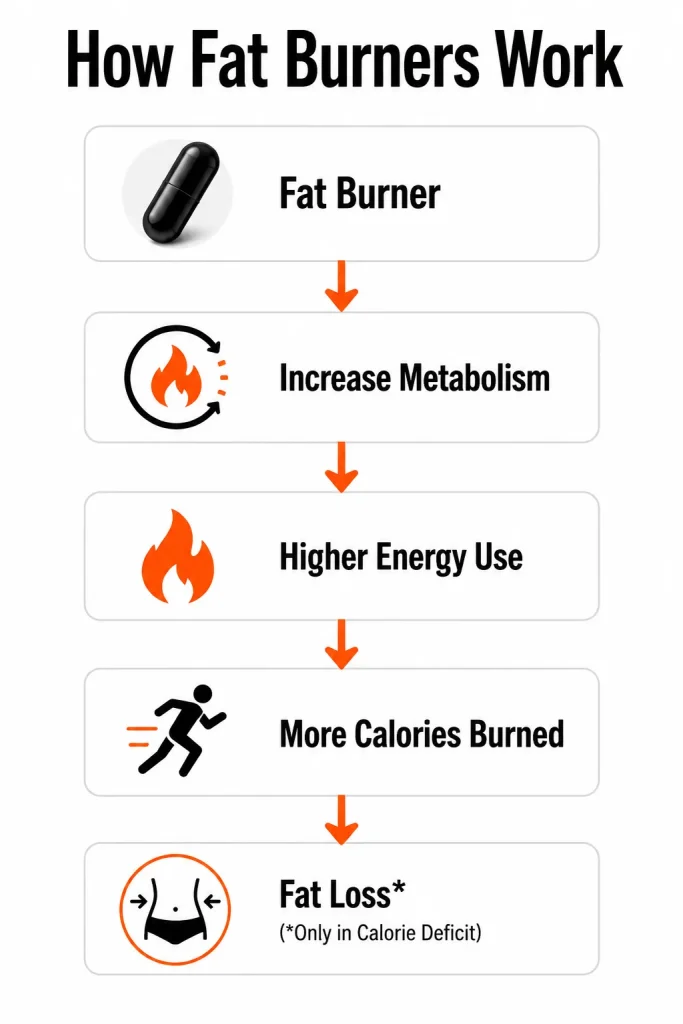
A fat burner is any supplement that claims to support fat loss through one or more mechanisms: raising your resting metabolic rate, increasing thermogenesis (heat production in the body), suppressing appetite, or enhancing fat oxidation during exercise.
The word “burn” is doing a lot of work here. Your body does not have a switch that targets stored fat and switches it on. What fat burners actually do is create a slightly more favourable environment for fat loss — by making you burn marginally more calories at rest, feel less hungry, or train harder and longer.
For Indian gym-goers, the marketing around fat burners is particularly aggressive. Brands promise visible results in 30 days with phrases like “thermogenic blast” and “shred stack.” The reality is more boring and more useful: the best fat burners contain ingredients with modest but real effects, and they work only when the rest of your approach is already dialled in.
If your diet is inconsistent or your training is infrequent, a fat burner will not paper over those gaps. It will give you a slightly elevated heart rate and a lighter wallet.
How Each Type of Fat Burner Works
Thermogenic Fat Burners: What They Do and What They Actually Deliver
Thermogenic fat burners raise your core body temperature slightly, which increases calorie expenditure. The primary driver is almost always caffeine, often combined with green tea extract, capsaicin (from chilli peppers), or synephrine.
Caffeine is the most studied and most effective ingredient in this category. At doses of 3 to 6 mg per kilogram of body weight, caffeine meaningfully increases resting metabolic rate — research suggests by roughly 3 to 11%, depending on individual tolerance and body composition. For a 70 kg person, that translates to an additional 60 to 100 calories burned per day at most.
EGCG (epigallocatechin gallate), the active compound in green tea extract, inhibits an enzyme called COMT (catechol-O-methyltransferase), which normally breaks down noradrenaline. By inhibiting COMT, EGCG prolongs the effect of noradrenaline, which increases fat oxidation. The effect is real but small — studies typically show an additional 3 to 4% increase in fat oxidation when combined with caffeine.
Capsaicin from chilli pepper extract increases thermogenesis through activation of the TRPV1 receptor. Effects are genuine but dose-dependent and often poorly delivered in supplement form.
Verdict: Thermogenics produce real but modest metabolic effects. They are most useful for people who are already training consistently and want a small additional edge, not people looking for a shortcut.
Appetite Suppressants: Do They Actually Reduce Hunger?
Appetite suppressants work by influencing hormones or neurotransmitters that regulate hunger — primarily ghrelin (the hunger hormone), serotonin, and dopamine.
Glucomannan, a soluble dietary fibre, absorbs water in the stomach and expands, creating a mechanical feeling of fullness. It is one of the few non-stimulant appetite suppressants with genuine clinical backing. Doses of 1 gram taken with water before meals have shown modest reductions in calorie intake.
5-HTP (5-hydroxytryptophan) is a precursor to serotonin and has shown appetite-reducing effects in small trials. However, long-term use without cycling raises concerns about serotonin dysregulation, and it should not be combined with antidepressants.
Garcinia cambogia is frequently sold in Indian pharmacies and supplement stores. The active compound, HCA (hydroxycitric acid), theoretically inhibits ATP citrate lyase, an enzyme involved in fat synthesis. In practice, human trials have been disappointing — the effect sizes are too small to be practically meaningful at typical supplement doses.
Verdict: Glucomannan has the most honest evidence. Most other appetite suppressants in this category are either underdosed in typical products or have effects too weak to matter in a real-world diet context.
Fat Oxidation Enhancers: Can You Actually Burn More Fat During Exercise?
These supplements claim to shift the body toward using fat as a fuel source during exercise rather than glycogen. The two most discussed are L-carnitine and CLA (conjugated linoleic acid).
L-carnitine transports long-chain fatty acids into the mitochondria, where they are oxidised for energy. The logic is sound. The problem is that most people with adequate protein intake already have sufficient carnitine levels, and supplemental carnitine does not meaningfully increase fat oxidation in healthy, well-nourished individuals. Research in clinical populations (elderly, vegetarians with low dietary carnitine) shows more promise.
CLA has a mixed evidence base. Some studies show modest reductions in body fat percentage over 12 weeks. Others show no effect. Doses and formulations vary enough across studies to make a clean conclusion difficult. The effect, if real, is small.
Verdict: Fat oxidation enhancers are the weakest category of fat burner by evidence. L-carnitine may have marginal value for vegetarians who get very little from diet. CLA is hard to justify at current prices for most people.
Fat Burner Ingredients Comparison Table
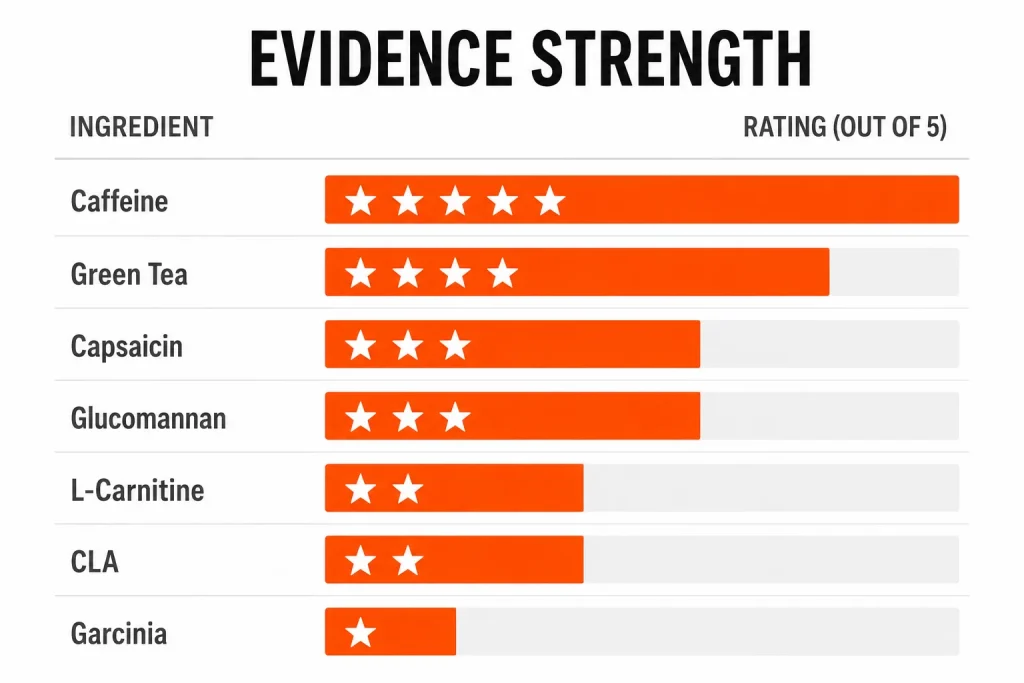
| Ingredient | Mechanism | Evidence Strength | Effective Dose | Realistic Calorie Impact | Verdict |
|---|---|---|---|---|---|
| Caffeine | Thermogenesis, CNS stimulation | Strong | 3–6 mg/kg body weight | 60–100 kcal/day | Best overall |
| Green tea extract (EGCG) | COMT inhibition, fat oxidation | Moderate | 400–500 mg EGCG | 3–4% increase in fat oxidation | Use with caffeine |
| Capsaicin | TRPV1 activation, thermogenesis | Moderate | 2–6 mg capsaicin | 50–80 kcal/day | Useful if tolerated |
| Glucomannan | Mechanical satiety, fibre expansion | Moderate | 1 g before meals | Reduces intake, not expenditure | Best appetite option |
| L-Carnitine | Fatty acid transport | Weak (healthy adults) | 2–3 g/day | Minimal in most people | Situational |
| CLA | Fat cell regulation | Weak–Moderate | 3–6 g/day | Marginal at best | Hard to justify |
| Garcinia cambogia | ATP citrate lyase inhibition | Very weak | Varies | Negligible in trials | Avoid |
| Synephrine | Adrenergic stimulation | Moderate | 10–20 mg | Similar to low-dose caffeine | Use cautiously |
How Fat Burners Work in Your Body
When you take a thermogenic fat burner, the stimulant ingredients — usually caffeine and synephrine — activate the sympathetic nervous system. This triggers the release of noradrenaline and adrenaline, which signal fat cells to release stored fatty acids into the bloodstream via a process called lipolysis.
Here is the part most people miss: lipolysis releases fatty acids into the blood, but they only get used as fuel if you are in a calorie deficit. If you are eating at maintenance or above, those released fatty acids simply get repackaged and stored again. The release of fat from cells is not the same as losing fat. You have to actually use those fatty acids for energy — which requires either eating less or moving more.
Caffeine also inhibits phosphodiesterase, an enzyme that breaks down cAMP (cyclic adenosine monophosphate). Higher cAMP levels prolong the fat-releasing signal. This is why caffeine and EGCG together produce a slightly stronger effect than either alone.
Timing matters. Taking a thermogenic 30 to 45 minutes before exercise maximises the overlap between the metabolic effect and the period when you are actually burning fuel. Taking it late in the day disrupts sleep — and poor sleep independently increases fat storage and decreases muscle retention.
What the Research Actually Shows
The honest picture from the research is this: fat burners produce small, real effects in controlled conditions — and those effects shrink significantly in real-world use.
A 2020 review in the Journal of the International Society of Sports Nutrition examined thermogenic supplement ingredients and found that caffeine at adequate doses consistently increased energy expenditure and fat oxidation, with the effect strongest in caffeine-naive individuals. Tolerance develops within 2 to 3 weeks of daily use, which is why cycling is necessary.
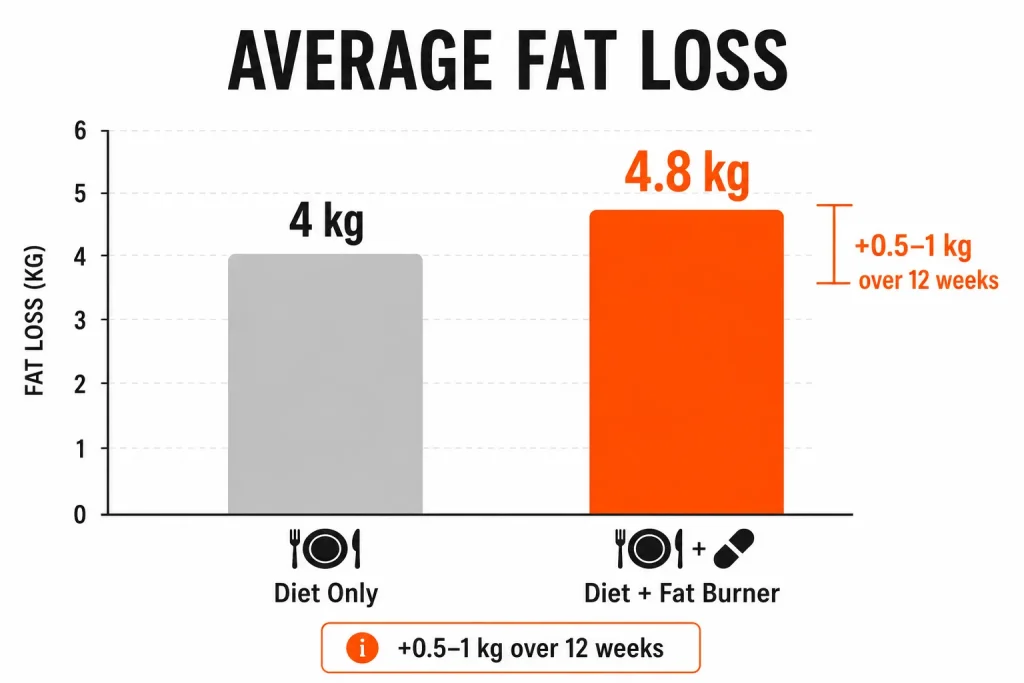
Green tea extract has been studied in multiple trials. A meta-analysis published in the International Journal of Obesity found that green tea catechins combined with caffeine produced a small but statistically significant reduction in body weight and body mass index compared to caffeine alone — the additional effect being roughly 0.5 to 1 kg over 12 weeks.
The honest reality check: in controlled trials, subjects typically follow standardised diets and exercise protocols. In real life, people often eat slightly more because they feel the supplement is “handling it,” which cancels the effect entirely. The supplement industry rarely funds studies designed to measure this compensatory behaviour.
If you want to understand where fat burners fit into a broader supplement approach, the 5 best fat loss supplements that actually work breaks down the full evidence hierarchy across every major category.
Side Effects and What to Watch Out For
Caffeine-based fat burners are the most common and carry the most common side effects: elevated heart rate, increased blood pressure, anxiety, jitteriness, and disrupted sleep. These are dose-dependent — a 70 mg dose produces minimal issues for most people; a 400 mg dose without caffeine tolerance is a different experience.
People with cardiovascular conditions, anxiety disorders, or hypertension should avoid stimulant-based fat burners entirely and speak with a doctor before using any thermogenic product.
For Indian users specifically, a few practical concerns apply:
Summer heat. Thermogenics raise core body temperature. Taking them before outdoor exercise in Indian summer conditions (35°C+) increases heat stress risk meaningfully. If you train outdoors in April through June, non-stimulant options or lower doses are more appropriate.
Adulteration. The Indian supplement market has a documented quality control problem. Some fat burners sold locally or imported through grey channels have been found to contain unlisted stimulants or synthetic compounds not declared on the label. Buy only from brands with third-party testing certificates.
Interaction with medications. Synephrine interacts with certain cardiac medications. 5-HTP should never be combined with SSRIs or MAOIs. If you are on any regular medication, check before using any fat burner.
Who Should Actually Use a Fat Burner?
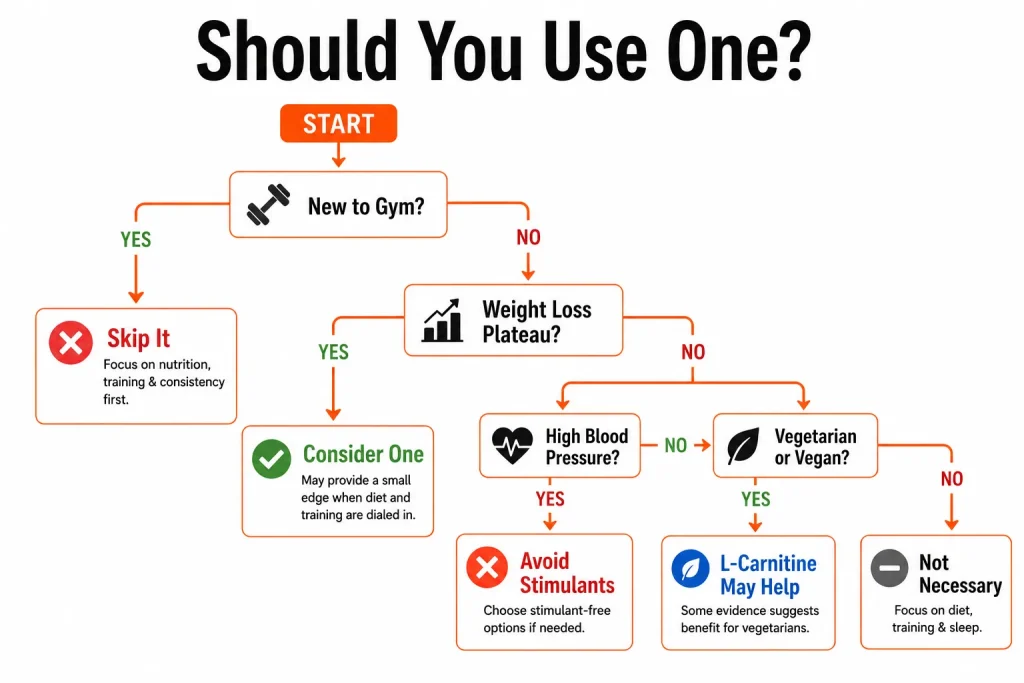
If You Are New to Training and Just Starting a Fat Loss Phase
Do not start with a fat burner. Your body will respond strongly to diet and training alone for the first 3 to 6 months. Adding a stimulant supplement before you have built consistent habits is like installing a turbo on a car with a broken engine. Fix the foundation first. Our 3 pillars of a sustainable fat loss plan covers exactly what that foundation looks like.
If You Have Been Training Consistently for 3 to 6 Months and Progress Has Stalled
This is the most appropriate context for a fat burner. You have already addressed diet, sleep, and training. Your deficit is in place. A thermogenic with caffeine and EGCG can provide a small additional metabolic edge that helps you push through a plateau. Expect modest results — 0.5 to 1 kg additional fat loss over 8 to 12 weeks compared to your current approach.
If You Train Early in the Morning and Struggle With Energy
A moderate-dose caffeine-based fat burner taken 30 to 45 minutes before your session can improve training performance and fat oxidation simultaneously. This is a legitimate use case. Keep the dose under 200 mg if you are caffeine-sensitive.
If You Are a Vegetarian or Vegan
L-carnitine is worth considering in this case, since dietary carnitine comes almost entirely from animal sources. A 2 to 3 g daily dose may have more effect in this population than in omnivores. Otherwise, the same caffeine and EGCG evidence applies equally regardless of diet.
If You Have a Cardiovascular Condition, Anxiety, or High Blood Pressure
Avoid stimulant fat burners entirely. Glucomannan (a non-stimulant fibre supplement) is the only category with a reasonable risk profile for this group — and it addresses appetite, not metabolism. Discuss any supplement with your doctor before starting.
The Bottom Line
A fat burner is a tool, not a solution. The best ingredients — caffeine, green tea extract, capsaicin — have real but small metabolic effects. They work best when layered onto a diet that is already creating a calorie deficit and a training programme that is already consistent.
Most products sold in India are overpriced relative to their actual active ingredient doses. You can get the same effect from black coffee and a cup of green tea for a fraction of the cost, with no risk of label inaccuracy.
If you want to understand which specific products are worth considering versus which are marketing-heavy scams, the best fat burner supplement guide for 2026 covers the current Indian market honestly.
Fat burners are useful for the right person at the right stage. They are useless — and sometimes counterproductive — for everyone else.
People Also Ask
What is a fat burner supplement and how does it work?
A fat burner is a supplement that increases calorie burning, reduces appetite, or improves fat oxidation during exercise. The most common mechanism is thermogenesis — ingredients like caffeine and green tea extract slightly raise metabolic rate, causing the body to burn more calories at rest. They do not directly dissolve fat; they create a marginally more favourable metabolic environment for fat loss when combined with a calorie deficit.
Do fat burners actually work or are they a waste of money?
Fat burners with evidence-backed ingredients like caffeine, EGCG, and capsaicin do produce real but modest effects — typically an additional 60 to 150 calories burned per day, or marginal reductions in appetite. Whether that is worth the money depends on the product and your context. Most proprietary blends in India are underdosed and overpriced. A black coffee before training achieves a similar effect at near-zero cost.
Can I take a fat burner without exercising?
You can, but the results will be negligible. Fat burners increase calorie expenditure marginally and may reduce appetite slightly, but without a calorie deficit from diet or exercise, there is no fat to lose. The supplement amplifies an existing fat loss effort — it does not create one independently. Taking a thermogenic without training also means you get the stimulant side effects without the performance benefit.
Are fat burners safe in India’s summer heat?
Stimulant fat burners raise core body temperature, which increases heat stress risk significantly during outdoor exercise in Indian summers. If you train outdoors between April and July, either lower your dose, switch to non-stimulant options, or time your sessions for early morning or evening when ambient temperature is lower. Dehydration compounds the risk — ensure adequate water intake if you use thermogenics in hot conditions.
What is the difference between a fat burner and a protein supplement?
A protein supplement (like whey or plant protein) supports muscle building and retention by providing amino acids. A fat burner aims to increase calorie expenditure or reduce appetite. They serve completely different purposes and are often used together — protein to preserve muscle during a deficit, fat burner to slightly increase the deficit. If you can only afford one, protein is significantly more impactful for body composition than any fat burner.
Is caffeine the same as a fat burner?
Caffeine is the primary active ingredient in most fat burners, so in practical terms, yes — a moderate dose of caffeine does much of what a fat burner claims to do. The advantage of standalone caffeine or black coffee is dose control, lower cost, and no risk of undisclosed ingredients. Most fat burner “proprietary blends” simply deliver caffeine with some supporting ingredients at varying quality.
Do fat burners affect testosterone or hormones in men?
Standard thermogenic fat burners with caffeine and green tea extract do not directly suppress testosterone. However, chronic sleep disruption caused by late-day stimulant use does suppress testosterone meaningfully — this is an indirect effect worth taking seriously. If you are already dealing with hormonal concerns, read about low testosterone in young men before adding any stimulant supplement to your stack.
Sources and References
- Jeukendrup AE, Randell R. (2011). Fat burners: nutrition supplements that increase fat metabolism. Obesity Reviews, 12(10), 841–851. https://pubmed.ncbi.nlm.nih.gov/21951331/
- Hursel R, Viechtbauer W, Westerterp-Plantenga MS. (2009). The effects of green tea on weight loss and weight maintenance: a meta-analysis. International Journal of Obesity, 33(9), 956–961. https://pubmed.ncbi.nlm.nih.gov/19597519/
- Dulloo AG, Duret C, Rohrer D, et al. (1999). Efficacy of a green tea extract rich in catechin polyphenols and caffeine in increasing 24-h energy expenditure and fat oxidation in humans. American Journal of Clinical Nutrition, 70(6), 1040–1045. https://pubmed.ncbi.nlm.nih.gov/10584049/
- Stohs SJ, Badmaev V. (2016). A Review of Natural Stimulant and Non-stimulant Thermogenic Agents. Phytotherapy Research, 30(5), 732–740. https://pubmed.ncbi.nlm.nih.gov/26856369/
- Villanueva JA, Jacobs I. (2020). Thermogenic supplements and their role in weight management. Journal of the International Society of Sports Nutrition. [Search on JISSN or PubMed directly for current review]