Best Fat Burner Supplement 2026: Science-Backed Guide (Real Results)
Looking for the best fat burner supplement that actually works? We analyze clinical studies, safety data, and real ingredients to separate science from marketing hype.
The $60 Billion Question
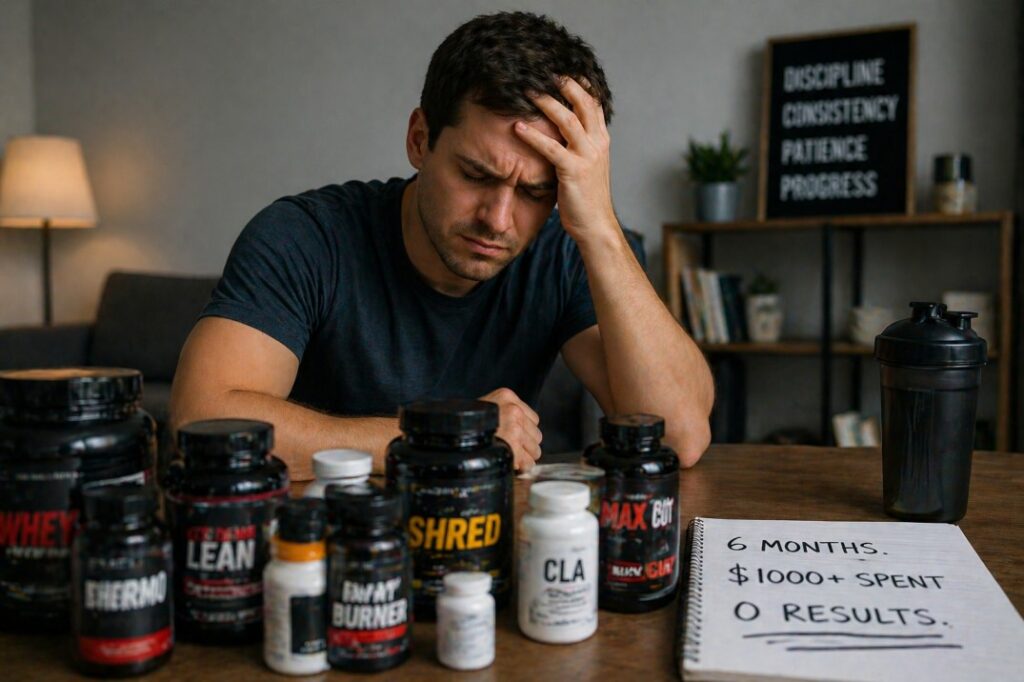
Let me tell you about my friend Mark.
Mark is 38, works a desk job, and has tried everything. He’s done keto. He’s done intermittent fasting. He’s spent hundreds—maybe thousands—on bottles with flashy labels promising to “melt belly fat while you sleep.”
After six months of chasing the “magic pill,” he lost exactly $347 and gained back every pound.
Here’s the brutal truth Mark wishes he’d known earlier: The supplement industry is largely unregulated, and most “fat burners” are just overpriced caffeine with a marketing budget.
But that doesn’t mean every product is useless.
There are evidence-backed ingredients that actually influence human physiology—increasing resting metabolic rate, enhancing fat oxidation, and supporting appetite control. You just need to know how to spot them.
In this guide, I’m going to show you exactly what the clinical research says about the best fat burner supplement ingredients in 2026. No affiliate tricks. No bro science. Just peer-reviewed data and honest analysis.
Let’s cut through the noise.
How Fat Burners Actually Work (The Biology, Simplified)
Before we talk products, let’s talk biology.
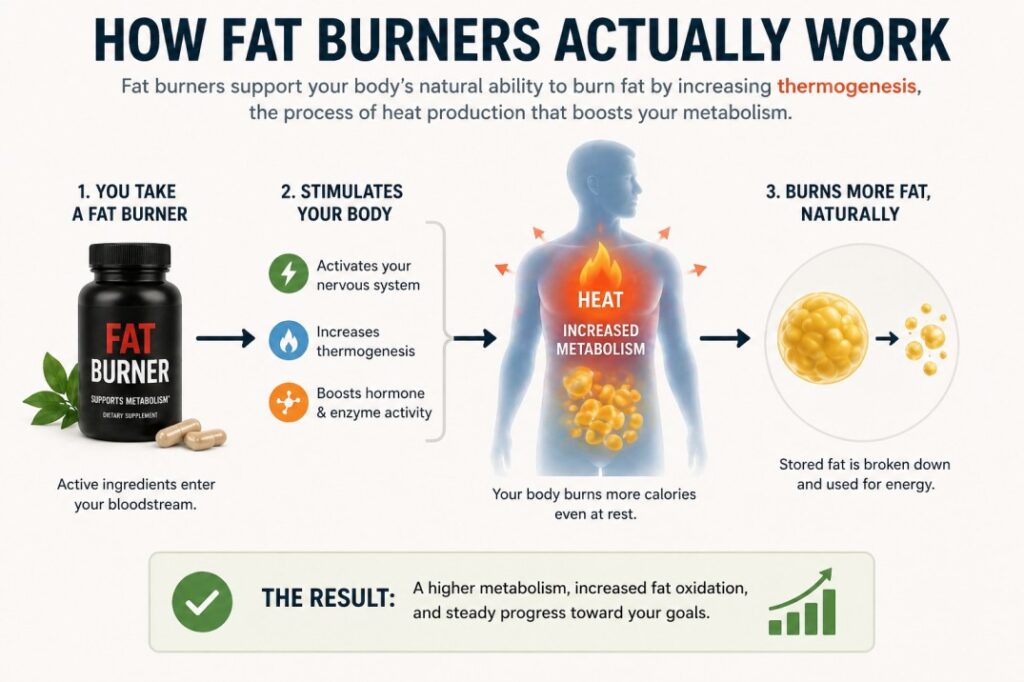
Your body burns fat through a process called thermogenesis—literally, heat production. When your metabolism runs hotter, you burn more calories, even at rest .
Fat burner supplements typically target three mechanisms:
| Mechanism | What It Does | Example Ingredients |
|---|---|---|
| Stimulation | Increases nervous system activity to release stored fat | Caffeine, synephrine |
| Hormonal | Alters hunger/satiety signals | GLP-1 modulators, adiponectin boosters |
| Absorption Blocking | Prevents fat from entering your bloodstream | Chitosan, orlistat |
Most products rely heavily on the first category—stimulants. But the really interesting science is happening in categories two and three.
Let me show you what I mean.
The Current Clinical Front-Runner: Citrus Polyphenols (CL19183 / Theolim™)
If you’ve been paying attention to metabolic science in 2025-2026, you’ve probably heard about CL19183 (also marketed as Theolim™). And for once, the hype might be justified.
The Study That Changed My Mind
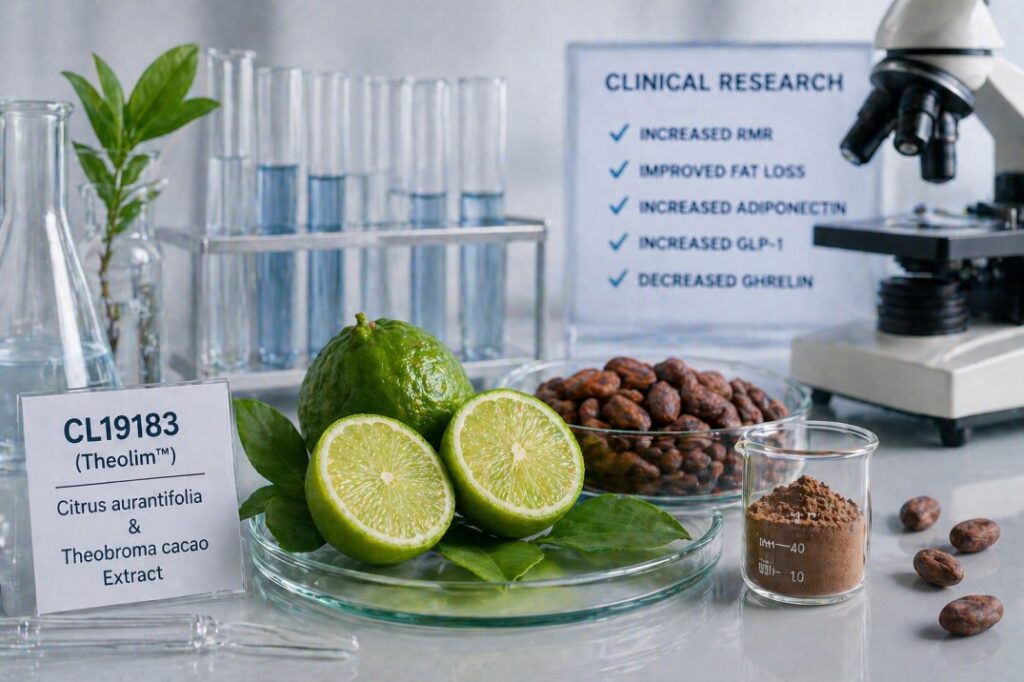
In June 2025, a randomized, double-blind, placebo-controlled multicenter trial was published involving 120 overweight adults .
Here’s what happened:
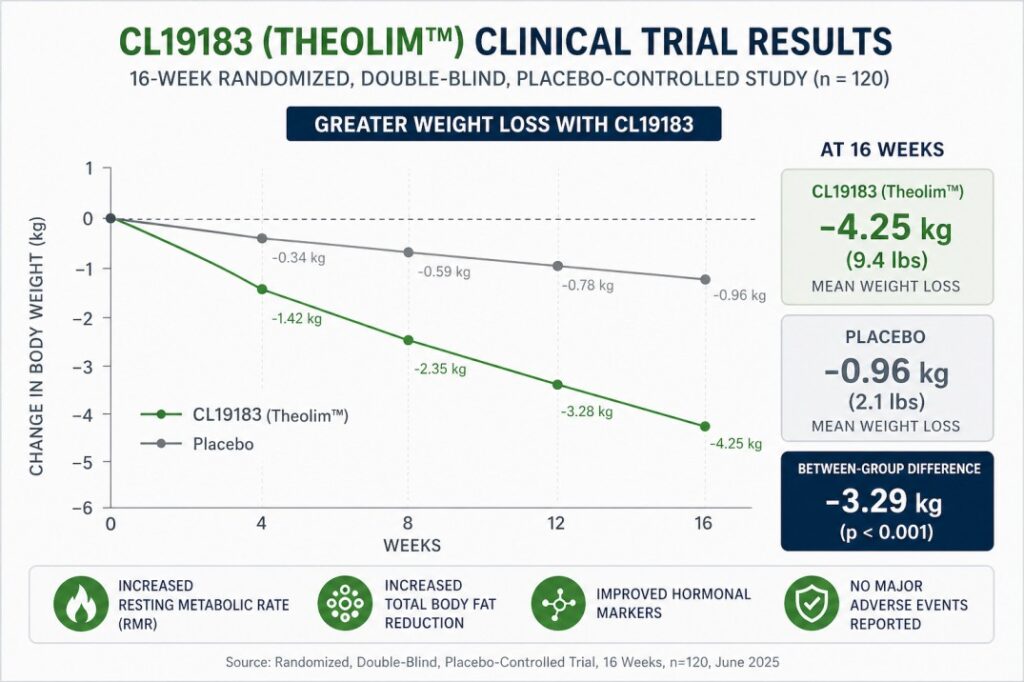
- After 16 weeks, the group taking CL19183 lost 4.25 kg (9.4 lbs) compared to just 0.96 kg (2.1 lbs) in the placebo group
- Total body fat reduction: 4.28 kg vs. 0.85 kg
- Resting metabolic rate (RMR) significantly increased
- No major adverse events were reported
But here’s what really caught my attention: The researchers measured hormonal changes.
The CL19183 group showed:
- Increased adiponectin (a hormone that improves insulin sensitivity)
- Increased GLP-1 (the same pathway targeted by Ozempic/Wegovy)
- Decreased ghrelin (the “hunger hormone”)
This is significant because most stimulant-based fat burners don’t touch these hormonal pathways. They just make you jittery.
How It Works
CL19183 is a combination of Citrus aurantifolia (lime) fruit rind extract and Theobroma cacao (cocoa) seed extract .
The mechanism appears to be increasing FGF-21 (fibroblast growth factor 21), which then activates UCP-1 (uncoupling protein-1)—a protein that turns white fat cells into beige fat cells that actually burn energy instead of just storing it .
Bottom Line: This is arguably the most compelling new fat burner ingredient to emerge in years. But it’s still relatively new, and long-term safety data is limited to the 16-week trial.
The Old Reliable: Caffeine (Yes, Really)
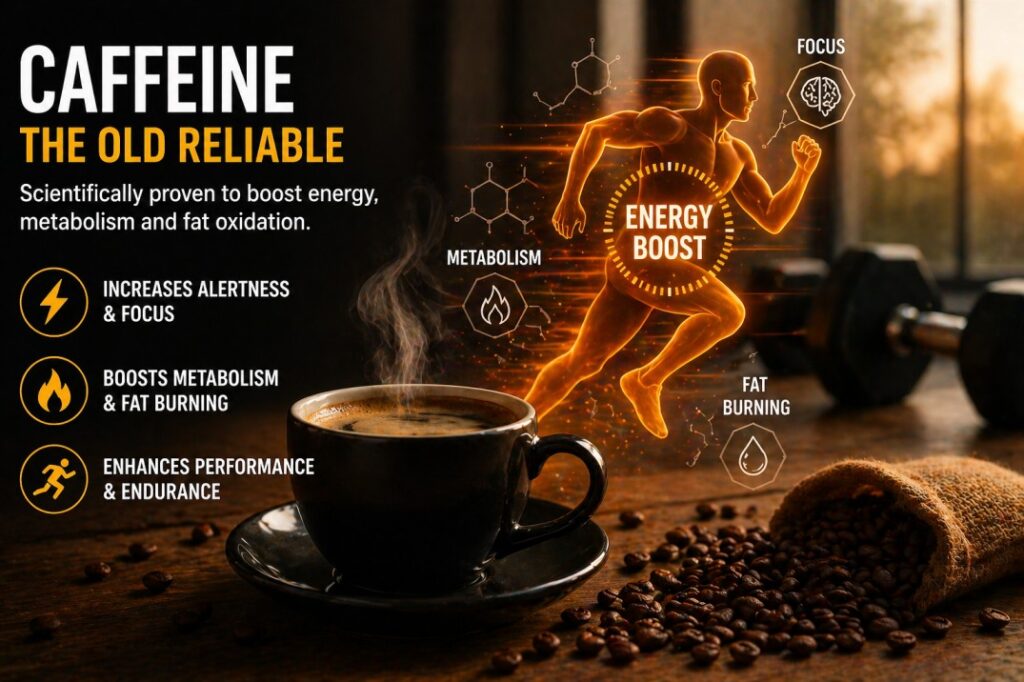
It’s not sexy. It’s not new. But caffeine remains one of the most researched and effective thermogenic ingredients available.
What The Research Says
Caffeine works by:
- Stimulating the central nervous system
- Increasing thermogenesis and fat oxidation
- Enhancing exercise performance (which indirectly burns more calories)
The NIH notes that short-term clinical trials of caffeine-containing combination products have shown “modest effect on body weight or decreased weight gain over time” .
The Safety Caveat
The NIH sets a safety threshold of less than 400 mg per day for adults. Above that, risks increase significantly—nervousness, jitteriness, vomiting, and tachycardia (rapid heart rate) .
Many “proprietary blends” don’t disclose their exact caffeine content. That’s a red flag.
Bottom Line: Caffeine works, but more isn’t better. And if you’re already drinking 3-4 cups of coffee, adding a caffeinated fat burner might push you into dangerous territory.
The Stimulant-Free Option: Saccharomyces cerevisiae Hydrolysates
Here’s something you probably haven’t heard of.
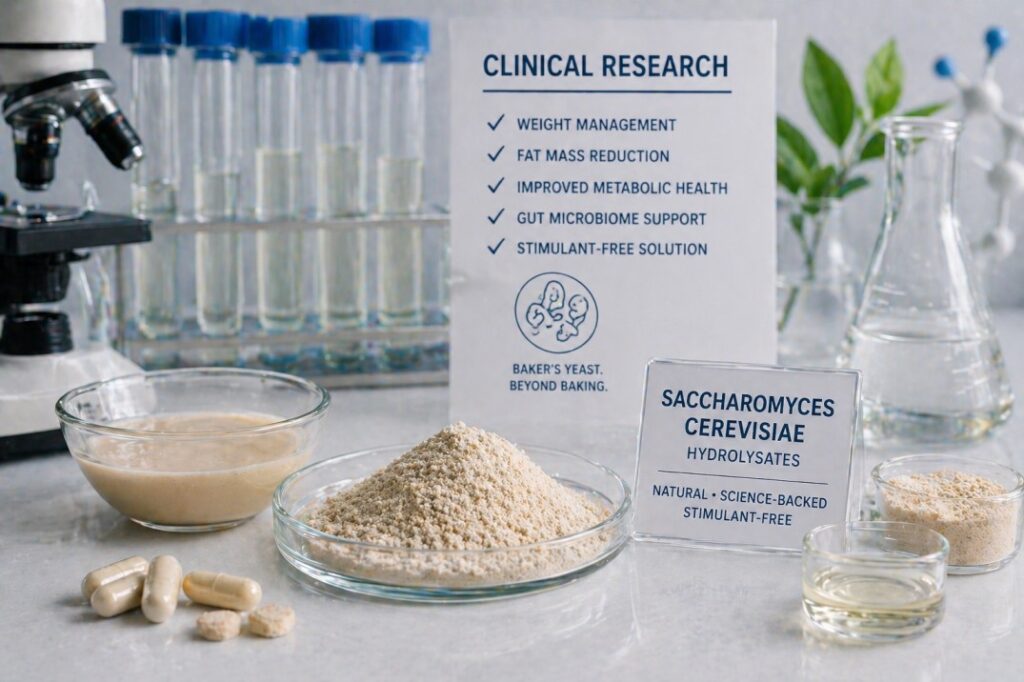
Saccharomyces cerevisiae—yes, that’s baker’s yeast—produces bioactive hydrolysates that have shown surprising promise for weight management.
The Meta-Analysis
A 2025 systematic review and meta-analysis published in BMC Complementary Medicine and Therapies analyzed six randomized controlled trials with 262 participants .
The results:
- Body weight reduction: -3.08 kg (95% CI: -4.02 to -2.13)
- BMI reduction: -0.87 kg/m²
- Fat mass reduction: -1.93 kg
All six trials were assessed as having low risk of bias.
The mechanism isn’t fully understood, but researchers believe these yeast-derived compounds may influence lipid metabolism and fat absorption .
Bottom Line: This is a promising stimulant-free option, though the evidence base is smaller than for citrus polyphenols or caffeine.
The Fat Blocker: Chitosan
Chitosan is a deacetylated polymer derived from chitin—the stuff that makes up shellfish shells. It’s chemically similar to cellulose and is not naturally present in human tissue .
How It Works
Chitosan is a cationic polysaccharide that binds to dietary fat in your digestive tract, preventing some of it from being absorbed. It essentially acts as a fat “sponge.”
The Reality Check
While chitosan is non-toxic, biocompatible, and biodegradable, the clinical evidence for meaningful weight loss is… modest at best. The NIH concluded that small clinical trials—mostly of poor methodological quality—have shown “minimal effect on body weight” .
Side effects can include flatulence, bloating, constipation, indigestion, nausea, and heartburn .
Bottom Line: Chitosan technically works, but the real-world impact is small. You’d likely get better results from simply reducing dietary fat intake directly.
The One the FDA Actually Approves: Orlistat (Alli)
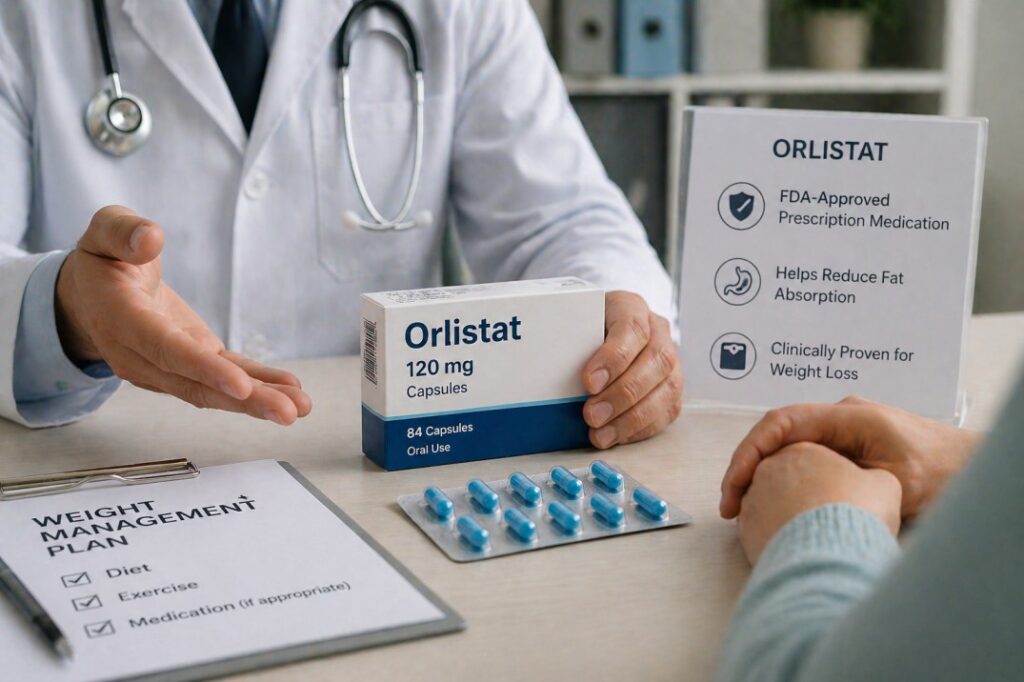
Let’s be clear about something: Most “fat burners” are supplements, not drugs. The FDA does not approve them for efficacy.
Orlistat (sold over-the-counter as Alli) is the exception. It’s the only medication approved by the FDA for long-term use in weight reduction .
How It Works
Orlistat inhibits lipase enzymes in your gut, blocking the absorption of about 25% of the fat you eat. That fat then passes through your system undigested.
The Catch
The side effects are… unpleasant. We’re talking:
- Abdominal discomfort
- Flatulence with discharge (yes, that means oily spotting)
- Fecal urgency
- Oily stool
Clinically, orlistat has been shown to support weight reduction in obese patients with type 2 diabetes, especially when combined with lifestyle changes .
Bottom Line: It works, but it forces you to eat low-fat or pay the price. Many people find the side effects intolerable.
Ingredients to Avoid (Or At Least Approach With Caution)
The NIH has compiled a comprehensive table of common weight loss supplement ingredients with their research findings and safety profiles .
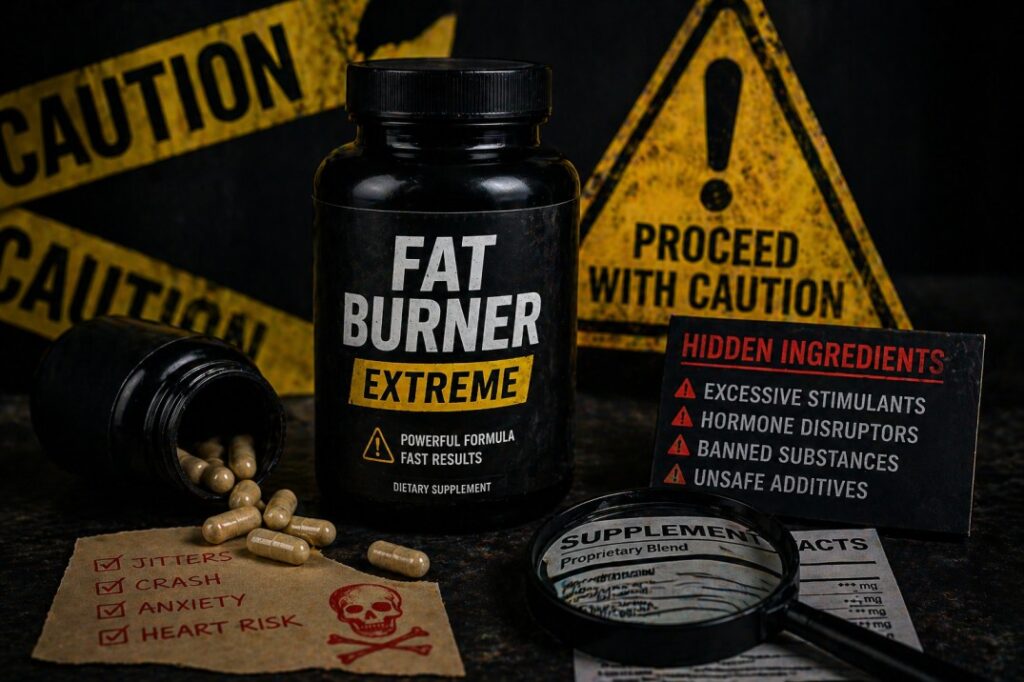
| Ingredient | Claim | Reality | Safety Red Flags |
|---|---|---|---|
| Bitter Orange (Synephrine) | Increases metabolism | Small trials show possible effect on RMR; inconclusive for weight loss | Chest pain, anxiety, increased BP and heart rate |
| Ephedra (Ma Huang) | Stimulant, thermogenic | Banned as a dietary supplement ingredient | Stroke, seizure, heart attack, death |
| Garcinia cambogia | Blocks fat production | Little to no effect on body weight | Headache, nausea, GI symptoms |
| Hoodia gordonii | Appetite suppressant | Very little human research; one study showed no effect | Increased heart rate and BP possible |
| Yohimbe | Hyperadrenergic effects | Insufficient evidence for weight loss | Headache, anxiety, agitation, hypertension, tachycardia |
A note on Hydroxycut: The FDA has discouraged use of certain Hydroxycut formulations after receiving reports of liver damage and rhabdomyolysis (muscle damage that can lead to kidney injury) .
What the Best Fat Burner Supplement Looks Like (According to Science)
Based on the current evidence, here’s what an ideal formula would contain:
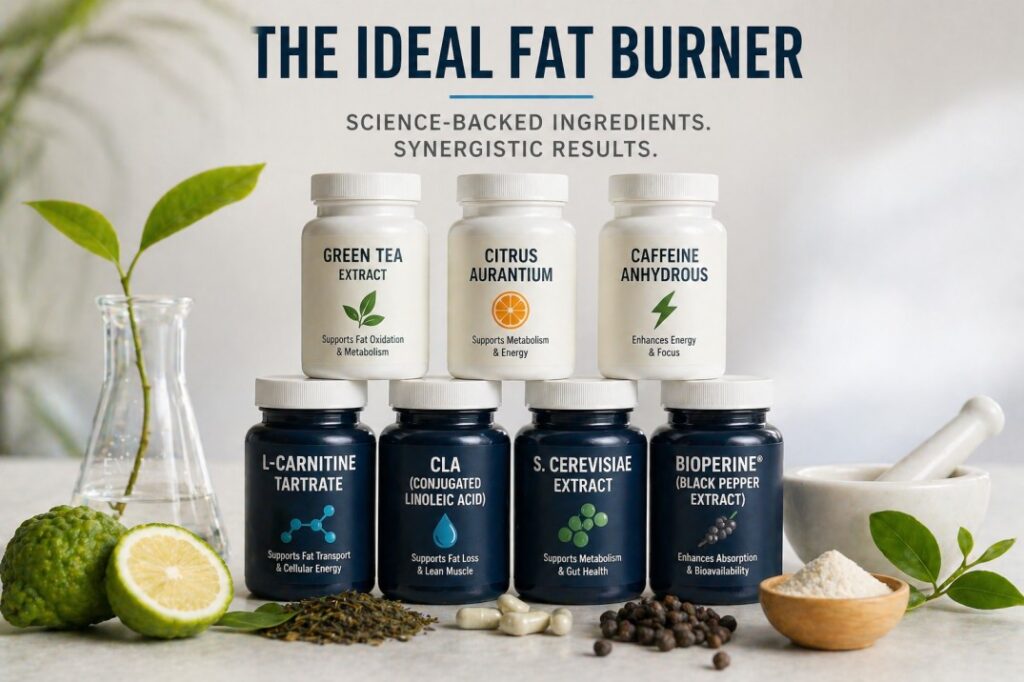
Tier 1 (Strongest Evidence)
- Citrus polyphenol blend (like CL19183 or Sinetrol®) – 450 mg daily
- Caffeine – 100-200 mg (if you tolerate stimulants)
Tier 2 (Supporting Evidence)
- Green tea extract (EGCG) – For synergy with caffeine
- S. cerevisiae hydrolysates – For stimulant-free support
Tier 3 (Low Priority)
- Chitosan – Minimal effect, but safe
- L-carnitine – Supports fatty acid oxidation, but oral absorption is poor
What to Avoid
- Proprietary blends that don’t disclose dosages
- Products with ephedra (banned), yohimbe, or high-dose synephrine
- Anything promising “rapid” or “dramatic” results without lifestyle changes
The Honest Truth You Need to Hear
I’ve spent hours digging through clinical trials for this article. And here’s what I’ve concluded:
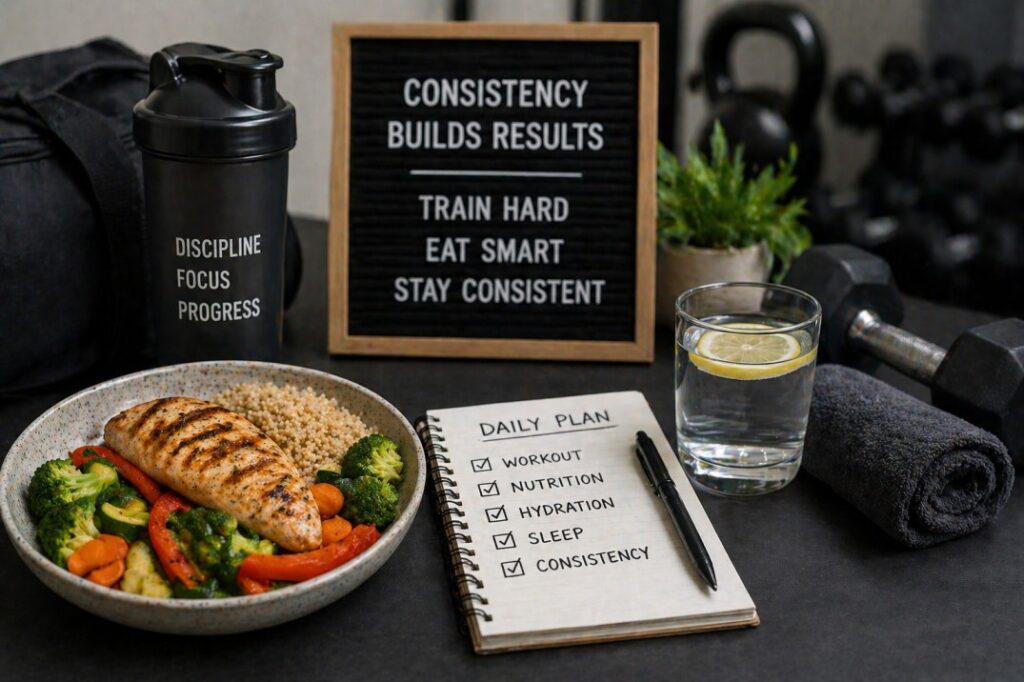
No supplement—not even the best fat burner supplement—will outrun a bad diet.
The participants in the CL19183 study lost 4.25 kg over 16 weeks. That’s about 0.6 lbs per week. Respectable? Yes. Life-changing? Not if you’re eating 500 extra calories daily.
Here’s what actually works:
- A modest caloric deficit (300-500 calories below maintenance)
- Adequate protein intake (1.6g per kg of body weight)
- Consistent resistance training (to preserve muscle)
- A supplement to optimize the process (not to do the work for you)
The best best fat burner supplement is the one that supports these fundamentals—not replaces them.
Quick Reference: What to Buy and What to Skip
| Category | What to Look For | What to Avoid |
|---|---|---|
| Thermogenics | CL19183 (Theolim™), green tea extract, moderate caffeine | Mystery “proprietary blends,” synephrine-heavy formulas |
| Appetite Control | GLP-1 supporting ingredients, fiber-based (glucomannan) | “Magic” appetite suppressants with no published research |
| Fat Blockers | Maybe chitosan, or orlistat (under doctor supervision) | Most “starch blockers” (weak evidence for weight loss) |
| Stimulant-Free | S. cerevisiae hydrolysates, L-carnitine | Anything with yohimbe or high-dose synephrine |
The Bottom Line
After reviewing the 2025-2026 clinical literature, here’s my take:
Citrus polyphenol blends (CL19183/Theolim™) are the most promising new development in the fat burner space. The 16-week RCT showing 4.25 kg weight loss with hormonal changes (GLP-1, adiponectin, ghrelin) is legitimately impressive .
Caffeine remains a reliable, inexpensive workhorse. It’s not exciting, but it works.
Saccharomyces cerevisiae hydrolysates offer a stimulant-free option with meta-analysis support .
Orlistat works, but the side effects are significant. Talk to a doctor first.
And most importantly: Don’t buy products with hidden proprietary blends, ephedra, or questionable safety profiles. The NIH table of banned/dangerous ingredients exists for a reason .
You deserve better than expensive pee and jittery afternoons.
Frequently Asked Questions
Are thermogenic supplements safe for everyone?
No. Avoid them if you have heart problems, high blood pressure, anxiety disorders, or if you’re pregnant/breastfeeding. Always check with your doctor first .
How much weight can I realistically lose with a fat burner?
In clinical trials, the most effective ingredients produce about 0.5-1 lb per week of additional fat loss compared to placebo. That’s meaningful but not miraculous .
Do I need to cycle fat burners?
For stimulant-based products, cycling (e.g., 8 weeks on, 2 weeks off) helps prevent tolerance and gives your nervous system a break. Non-stimulant options don’t require cycling.
Can I take multiple fat burner ingredients together?
Yes, but start with one at a time to assess tolerance. Combining stimulants (caffeine + synephrine) can dangerously spike heart rate and blood pressure.
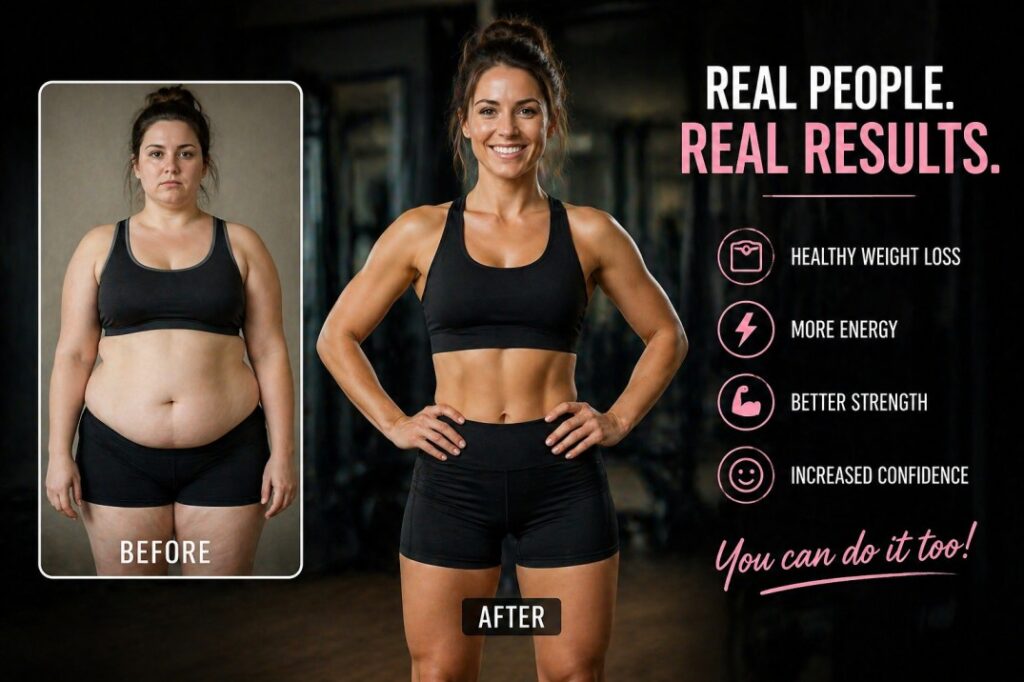
Ready to Make an Informed Choice?
You’ve done the research. You know the science. Now it’s time to take action—but not the kind the supplement companies want you to take.
Here’s your challenge: Before you buy anything, write down your current diet and exercise routine. Be honest. If those fundamentals aren’t solid, no bottle will save you.
Once your foundation is locked in, consider adding one evidence-backed ingredient from this guide. Track your results for 8 weeks. Adjust as needed.
And if you found this helpful? Drop a comment below sharing your experience with fat burners—good, bad, or ugly. Your story might help someone else avoid an expensive mistake.
Share this guide with a friend who’s still chasing the magic pill. They’ll thank you later.
If you’re serious about losing fat the right way, without relying on shortcuts, I’ve built a step-by-step plan you can follow—start here.
Disclaimer: This information is for educational purposes only and does not constitute medical advice. Always consult with a qualified healthcare provider before starting any new supplement regimen, especially if you have pre-existing health conditions or take prescription medications.