
Warm milk before bed does genuinely support sleep, but the popular explanation for why it works is mostly wrong. Most people assume it is the tryptophan in milk that makes you sleepy, and while tryptophan plays a real role, a single glass of milk does not contain enough tryptophan to produce a meaningful sedative effect on its own. The actual mechanisms are more interesting.
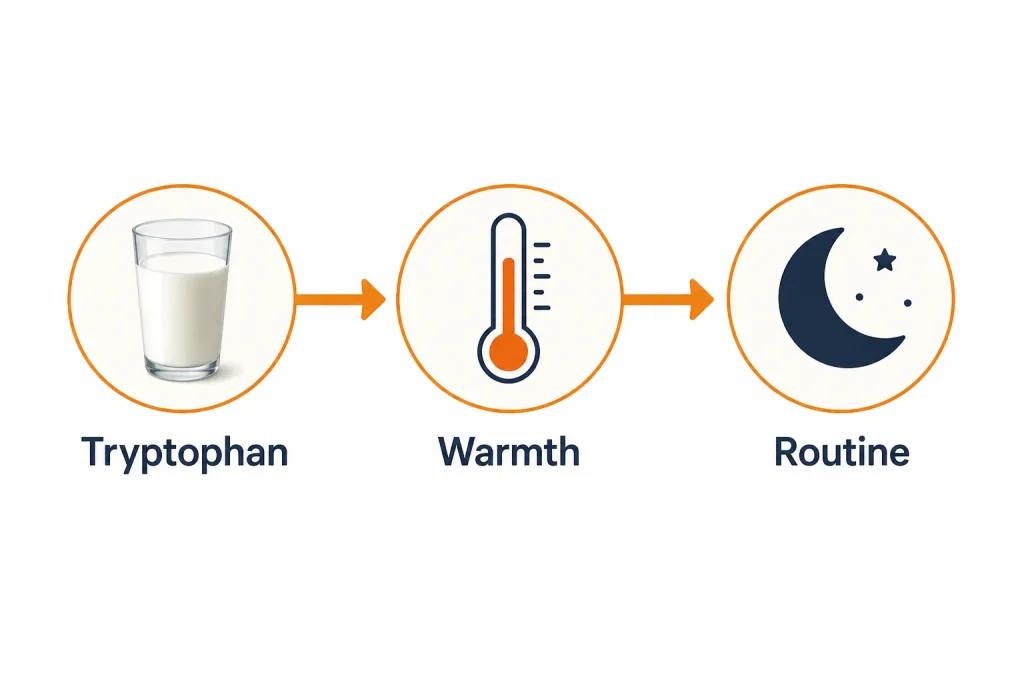
Warm milk works through at least three overlapping pathways: a mild biochemical contribution from tryptophan and calcium, a physiological effect from the warmth itself triggering a core body temperature drop that signals sleep onset, and for many people, a powerful psychological conditioning effect built over years of bedtime association. None of these is strong in isolation. Together, they produce a real but modest sleep benefit.
In India, the warm doodh tradition has been practised for generations, often with turmeric, cardamom, or ashwagandha added for additional effect. What Ayurveda correctly intuited about doodh at night, modern sleep research is now beginning to confirm in mechanistic detail. The warm milk habit is not a placebo. But understanding which parts of it actually work helps you use it more effectively.
The Warm Milk and Sleep Debate, Honestly Framed
Before examining the mechanisms, this question deserves an honest framing. Direct clinical trials testing warm milk specifically as a sleep intervention in healthy adults are sparse. Most of the research is on specific milk components, particularly alpha-lactalbumin, the whey protein fraction richest in tryptophan, at doses of 20 to 60 grams, which is far more than a single glass of milk provides.
This gap between the components studied and the actual habit practised is worth acknowledging. The evidence is mechanistically strong and directionally consistent, but the clinical data specifically on “warm milk before bed” is not as robust as the confidence with which it is often recommended. It works for many people. The reasons are real. The magnitude of the effect depends on the individual.
What Actually Makes Warm Milk Help With Sleep?
- Tryptophan in milk is a genuine melatonin precursor, but a 240ml glass of milk contains approximately 46mg of tryptophan, which is a modest amount that requires conversion through serotonin before becoming melatonin — the hormone that signals sleep onset.
- Calcium in milk activates the enzyme that converts tryptophan to serotonin, making the calcium content of milk directly relevant to its sleep effect, not just incidental nutritional value.
- The warmth of the drink raises peripheral body temperature and then triggers a core temperature drop, which is one of the strongest physiological signals for sleep onset and has independent research support from thermoregulation studies.
- Alpha-lactalbumin, the tryptophan-richest fraction of milk’s whey protein, consistently shows sleep-onset improvement in studies — a 2024 systematic review in the Journal of Sleep Research found 63% of eight studies showed a positive association between alpha-lactalbumin and sleep.
- Approximately 60 to 70% of South Asian adults have some degree of lactose malabsorption, meaning a significant proportion of Indians who try warm milk at night may experience bloating or digestive discomfort — in which case warm low-lactose milk, A2 milk, or a small amount of warm curd-based drink may produce the same effect with less discomfort.
Why the Tryptophan Explanation Is Mostly Right But Partially Wrong
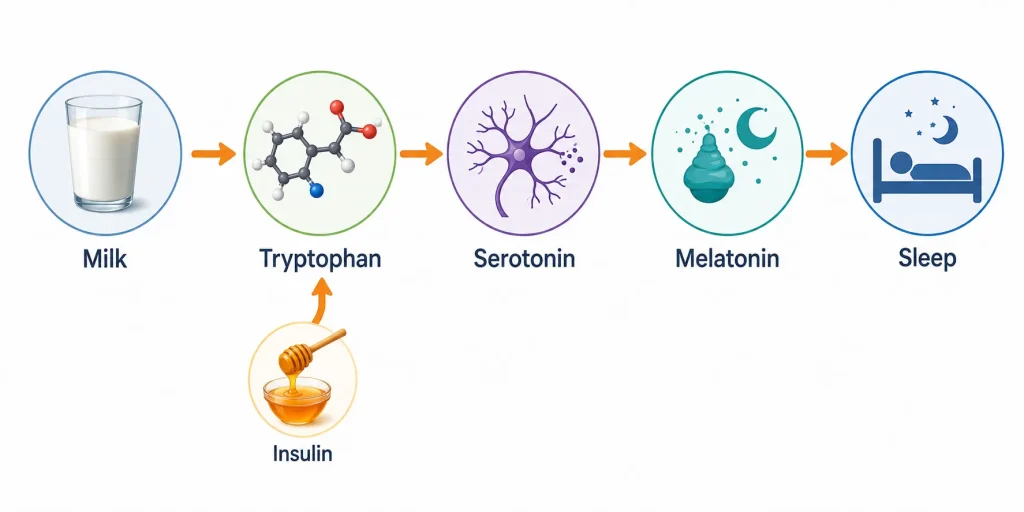
The standard explanation for warm milk and sleep is this: milk contains tryptophan, tryptophan converts to serotonin, serotonin converts to melatonin, and melatonin helps you sleep. Every step in that chain is real. The problem is that the chain is not as direct as the explanation implies.
Tryptophan is an essential amino acid, meaning the body cannot synthesise it and must obtain it from food. It is the biochemical precursor to serotonin and melatonin, both of which are involved in regulating sleep. When tryptophan enters the bloodstream after a meal, it must cross the blood-brain barrier to be converted to serotonin in the brain. The challenge is that tryptophan competes with other large neutral amino acids (LNAAs) for the same transport mechanism at the blood-brain barrier. Milk contains multiple amino acids, so the competing LNAAs in milk itself partly cancel out tryptophan’s advantage.
This is where carbohydrates matter. Insulin released in response to carbohydrate intake drives competing amino acids into muscle cells, reducing competition for the blood-brain transport, and allowing more tryptophan to enter the brain. This is the biochemical reason why warm milk with a small amount of honey, or with a biscuit, may work better than warm milk alone. It is also why the Indian tradition of warm milk with jaggery or mixed with a little rice-based food at dinner may be more effective than plain milk by itself.
A 240ml glass of whole cow’s milk contains approximately 46mg of tryptophan — a real amount, but modest compared to foods like turkey (which contains approximately 400mg per 100g). The PMC review on dairy products and sleep notes that dairy’s sleep benefit likely comes from the combination of tryptophan with calcium and other cofactors, not tryptophan alone.
The one-sentence verdict: Tryptophan in milk does contribute to sleep, but the amount in a single glass works best when combined with a small carbohydrate and when the calcium content helps enzyme conversion — not as an isolated sleepy-compound.
Does the Warmth of the Milk Actually Matter?
The temperature of the milk matters more than most people realise, and the mechanism has nothing to do with the milk’s nutritional content. When you drink a warm beverage, it slightly raises your peripheral body temperature. The body responds by dilating blood vessels near the skin surface, which releases heat outward and causes your core body temperature to drop. A falling core body temperature is one of the strongest physiological triggers for sleep onset.
This is the same mechanism exploited by warm baths before bed, which is one of the most robustly supported non-pharmacological sleep interventions in the research literature. A 2019 review in Sleep Medicine Reviews confirmed that passive body heating reliably reduces sleep onset latency through this core temperature drop mechanism. Warm milk essentially delivers a smaller version of the same physiological effect.
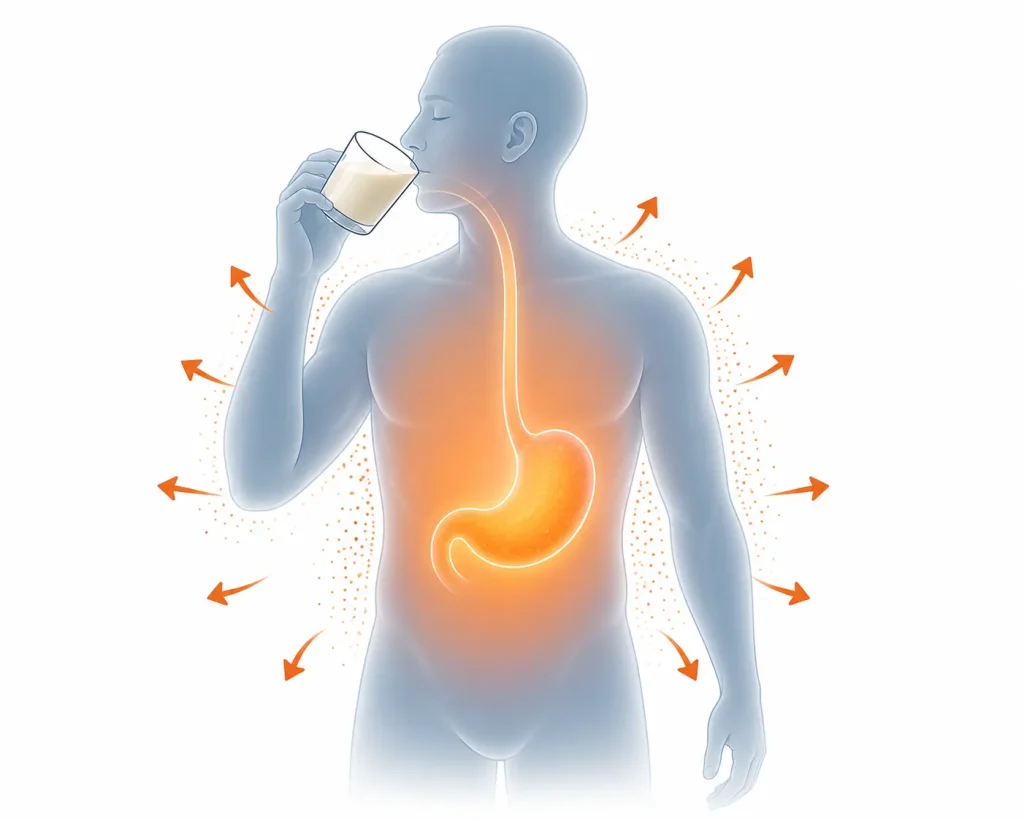
Any warm drink would produce this warming-then-cooling sequence. Warm water, warm herbal tea, or warm golden milk would all do it. The milk adds the biochemical contribution on top of the thermal one, which is why it tends to work better than warm water alone for sleep.
The temperature sensors that detect this warmth and trigger the vasodilation response are located in the abdominal area, not just the mouth and throat. This means the effect comes from the fluid warming the stomach, not just from the comforting sensation of sipping something warm — though the psychological comfort of the sipping itself also contributes.
The one-sentence verdict: The warmth of milk is a genuine sleep-onset mechanism through core body temperature regulation, not just comfort or habit.
What Does the Alpha-Lactalbumin Research Actually Show?
Alpha-lactalbumin is the whey protein fraction in milk that contains the highest concentration of tryptophan relative to competing amino acids. It has a tryptophan-to-LNAA ratio that is significantly more favourable for brain tryptophan delivery than most other protein sources. Research on alpha-lactalbumin and sleep is more consistent and better controlled than research on whole milk and sleep.
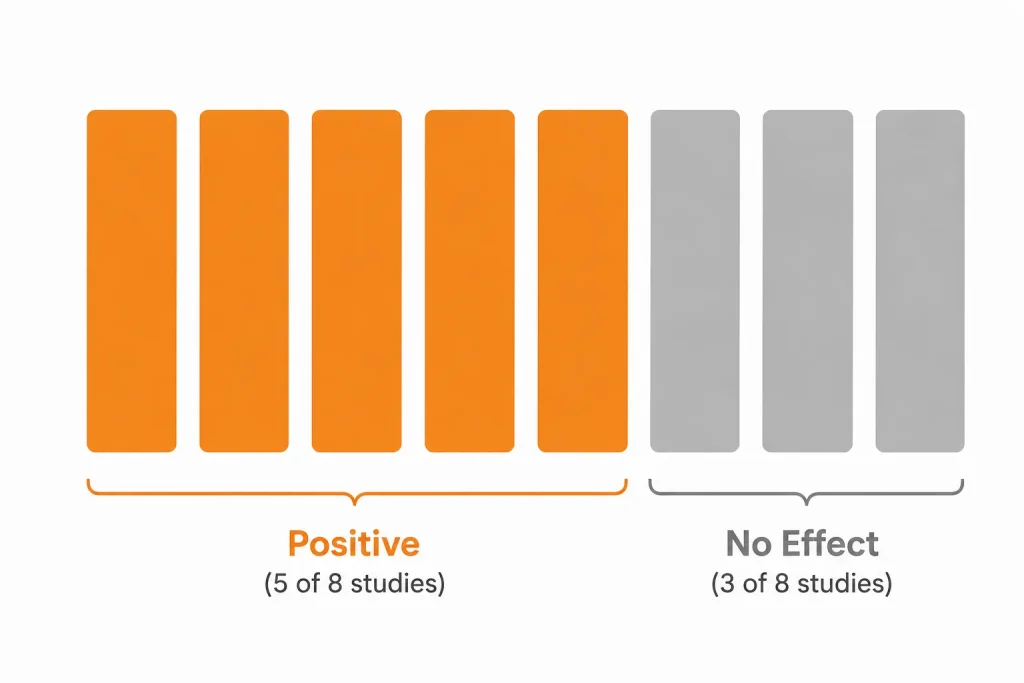
A 2024 systematic review published in the Journal of Sleep Research examined eight randomised controlled trials involving alpha-lactalbumin supplementation and sleep. Five of eight studies (63%) found a positive association with sleep outcomes. Sleep onset latency, which is the time it takes to fall asleep, was the primary metric improved following evening supplementation. The review found that individuals who have difficulty initiating sleep benefit most, and that evening supplementation approximately 1 to 3.5 hours before sleep shows more consistent results than morning supplementation.
A study by Markus et al. (2005) found that 20 grams of alpha-lactalbumin taken at dinner reduced next-morning sleepiness by 22% compared to placebo in 28 healthy adults. This finding was statistically significant (p = 0.013) and replicated in a crossover design.
The honest caveat: these studies used 20 to 60 grams of alpha-lactalbumin. A 240ml glass of whole milk contains approximately 0.7 to 1.2 grams of alpha-lactalbumin. The research demonstrates a real biological pathway, but the dose in a glass of milk is considerably lower than the therapeutic doses studied.
The one-sentence verdict: Alpha-lactalbumin research consistently supports sleep-onset improvement at higher doses; the dose in a glass of milk is lower but the mechanism is real and is reinforced by calcium, warmth, and psychological conditioning effects.
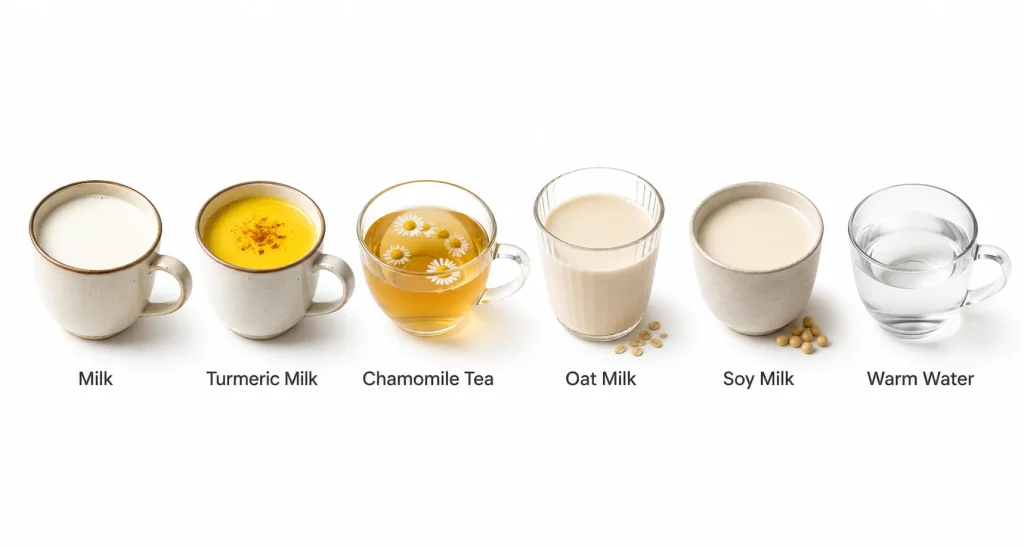
Warm Milk Before Bed vs Common Alternatives: A Comparison
| Option | Tryptophan Content | Sleep Mechanism | Lactose Concern | Calories (approx.) | Verdict |
|---|---|---|---|---|---|
| Warm whole cow’s milk (240ml) | 46mg | Tryptophan + calcium + warmth + conditioning | Yes, relevant for 60 to 70% South Asians | 150 kcal | Effective, monitor tolerance |
| Warm A2 milk (240ml) | Similar to regular milk | Same mechanisms | Lower digestive reaction in some | 150 kcal | Good option for lactose-sensitive |
| Warm milk with honey (1 tsp) | 46mg + carbohydrate boost | Tryptophan + enhanced BBB crossing | Same as above | 170 kcal | Better than plain milk alone |
| Warm haldi doodh (turmeric milk) | 46mg | Tryptophan + anti-inflammatory curcumin | Same as above | 160 kcal | Strong traditional rationale |
| Warm oat milk (240ml) | 10 to 15mg | Warmth + carbohydrate-driven tryptophan help | None | 120 kcal | Weaker but usable for dairy-free |
| Warm chamomile tea | 0mg | Warmth + apigenin GABA-A receptor effect | None | 2 kcal | Good alternative, different pathway |
| Warm water | 0mg | Warmth only | None | 0 kcal | Thermal benefit only |
How Your Body Responds to Warm Milk Before Bed
When you drink warm milk approximately 30 to 60 minutes before sleep, your body processes its components through three simultaneous pathways that together produce a modest but genuine shift toward sleep readiness.
The tryptophan from milk is absorbed in the small intestine along with other amino acids. It enters the bloodstream and competes at the blood-brain barrier for transport into the brain. Once in the brain, tryptophan is converted to 5-hydroxytryptophan (5-HTP) by the enzyme tryptophan hydroxylase, then to serotonin, and finally to melatonin by the pineal gland. Melatonin is the hormone that communicates darkness and sleep readiness to the body, operating on a circadian rhythm that peaks in the late evening.
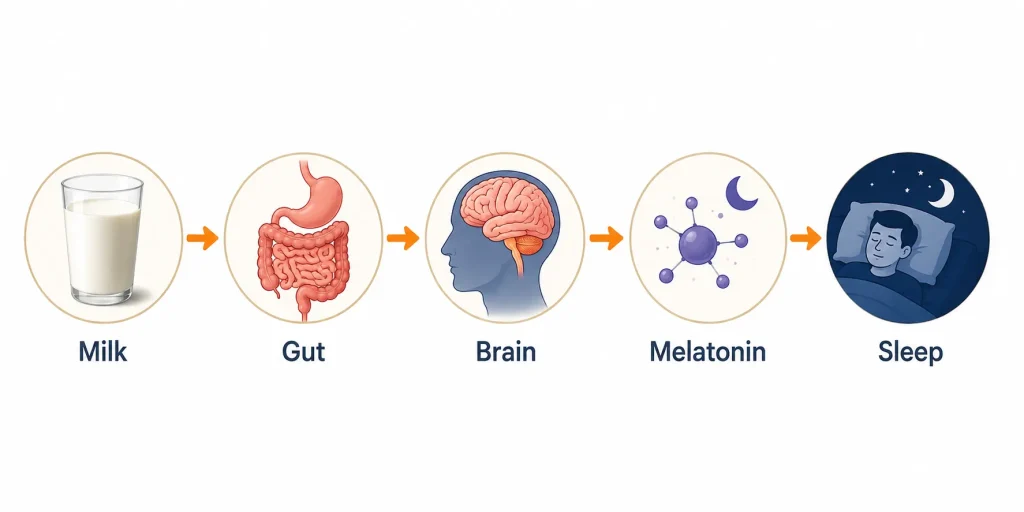
Calcium, which milk provides in approximately 300mg per 240ml serving, serves as a cofactor for the enzyme that converts tryptophan to serotonin. Research in the PMC review on dairy and sleep quality confirms that calcium deficiency is associated with disrupted sleep, and that calcium from dairy may support the tryptophan-to-serotonin conversion pathway.
Simultaneously, the warm temperature triggers the vasodilation-and-cooling sequence described above.
Timing recommendation: Drink warm milk approximately 30 to 45 minutes before your intended sleep time. This allows tryptophan absorption and the thermoregulatory sequence to align with sleep onset. Adding a small carbohydrate — a teaspoon of honey, a small piece of jaggery, or a plain biscuit — enhances tryptophan transport across the blood-brain barrier. Drinking it as part of a consistent nightly routine compounds the psychological conditioning effect over time.
What the Research Actually Says
The PMC systematic review on dairy products and sleep quality assessed epidemiological studies and clinical trials on dairy consumption and sleep. It found positive associations between dairy intake and sleep outcomes in multiple population-based studies, with biological plausibility through the tryptophan-melatonin pathway, calcium’s role as an enzymatic cofactor, and bioactive peptides in milk that may have GABAergic (calming) effects.
The Journal of Sleep Research 2024 systematic review on alpha-lactalbumin reviewed eight randomised controlled trials and found sleep onset latency to be the primary metric consistently improved.
A study in Finland, cited in multiple dairy-and-sleep reviews, found that milk harvested at night, which naturally contains higher melatonin levels of approximately 10 to 40 nanograms per litre, showed promising sleep-promoting effects in human volunteers compared to standard daytime milk.
“Dairy products are notably rich in tryptophan, a key substrate for serotonin and melatonin production, which are instrumental for initiating and maintaining sleep. Dairy products also provide a range of micronutrients that serve as cofactors in the synthesis of melatonin from tryptophan.” — PMC review, Exploring the Role of Dairy Products in Sleep Quality, 2023.
The honest reality check: controlled studies on specific milk components show genuine effects. Studies on warm milk specifically as a bedtime ritual rely heavily on subjective sleep reporting, which is influenced by expectation and routine. The combination of mechanism and conditioning means warm milk probably works for more people than the objective biomarker data strictly proves.
What to Be Aware of Before Making This a Nightly Habit
Warm milk before bed is low-risk for most people, but a few things are worth knowing before committing to the habit.
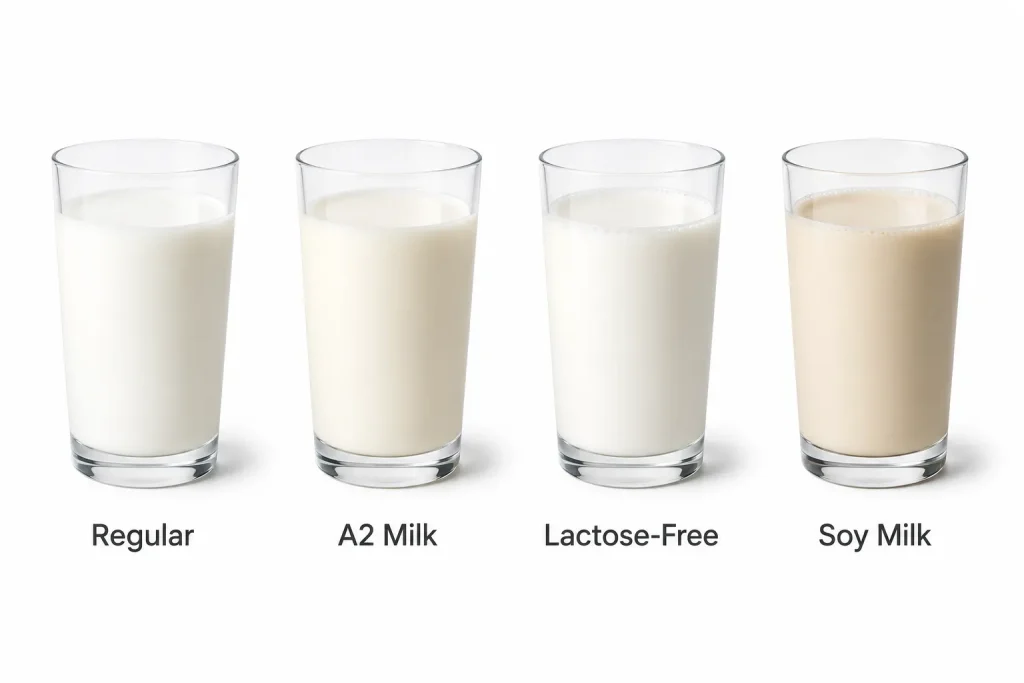
Lactose intolerance is common among Indians. Approximately 60 to 70% of South Asian adults have some degree of lactose malabsorption, and for these individuals, a glass of warm milk at night may cause bloating, gas, or loose stools rather than restful sleep. The solution is not to give up on the habit but to switch to warm A2 milk, warm lactose-free milk, or warm curd diluted with water, all of which have similar protein profiles without the lactose problem.
Caloric content matters if you are managing fat loss. A 240ml glass of whole milk adds approximately 150 calories. For someone on a calorie-controlled diet, this is not negligible. Switching to skimmed or semi-skimmed milk reduces this to approximately 80 to 90 calories without meaningfully reducing the tryptophan or calcium content.
Warm milk is not a clinically meaningful treatment for chronic insomnia. If you have persistent sleep difficulty characterised by more than three nights per week of inadequate sleep for more than three months, warm milk is a supportive habit, not a therapy. Cognitive behavioural therapy for insomnia (CBT-I) has the strongest evidence base for chronic insomnia and should be discussed with a doctor.
Children and the elderly benefit more predictably. Research and clinical observation consistently show that warm milk before bed is more reliably effective in children and older adults than in healthy young adults. Children respond strongly to the conditioning and routine aspect. Older adults have declining melatonin production and may benefit more from dietary tryptophan support.
How to Use Warm Milk Based on Your Situation
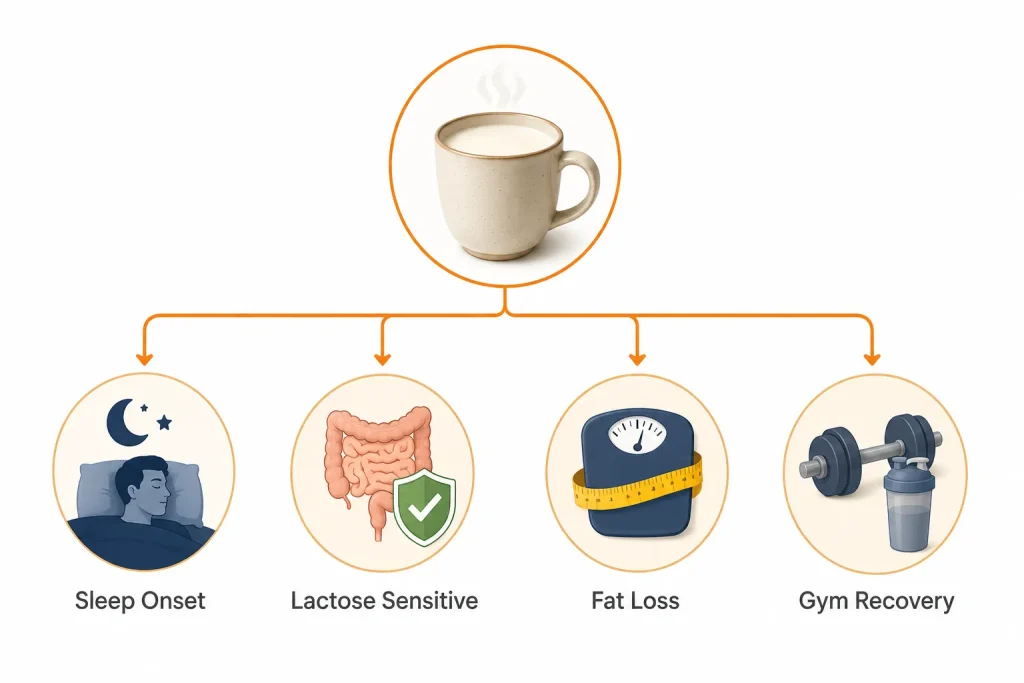
If You Have Trouble Falling Asleep
Warm milk with a teaspoon of honey, taken 30 to 45 minutes before bed, targets the primary mechanism relevant to sleep onset: tryptophan delivery enhanced by the carbohydrate, combined with the thermoregulatory effect of warmth. This is the most evidence-consistent application of the warm milk habit. Do it consistently for at least two weeks before evaluating whether it is helping, as the conditioning effect builds over repeated use.
If You Wake Up During the Night
Night-time waking has different causes from sleep-onset difficulty. The tryptophan-to-melatonin pathway may help sustain melatonin levels across the night, but this is less well-studied than the sleep onset effect. If night-time waking is your primary issue, consider whether the ashwagandha vs magnesium at night comparison covers options that may address sleep maintenance more directly.
If You Are Lactose Intolerant
Switch to warm A2 milk, warm lactose-free milk, or warm soy milk. Soy milk contains approximately 98mg of tryptophan per 240ml, more than cow’s milk, and the protein quality is sufficient for the serotonin-melatonin pathway. Warm oat milk works mainly through the thermal mechanism and the carbohydrate-assisted tryptophan boost, rather than providing meaningful tryptophan directly.
If You Are Trying to Lose Weight
Use warm skimmed milk (approximately 80 calories per 240ml) rather than whole milk. The tryptophan and calcium content is similar. Add a pinch of cinnamon or cardamom for flavour without calories. Avoid honey if you are tracking calories strictly, as a teaspoon adds approximately 20 calories.
If You Are a Regular Gym-Goer
Casein protein, the slow-digesting protein dominant in milk, is genuinely useful taken before sleep for muscle recovery. The rate at which casein digests, approximately 6 to 7 grams per hour, provides a sustained amino acid release across the night that supports muscle protein synthesis (MPS) during sleep. Warm milk before bed in this context serves a dual purpose: modest sleep support and overnight muscle recovery nutrition. This is a practical combination worth using.
If You Want to Enhance the Effect
The traditional Indian doodh with haldi, kesar, or ashwagandha is not just cultural habit. Turmeric’s curcumin has anti-inflammatory properties that may reduce systemic inflammation associated with poor sleep. Ashwagandha has adaptogenic properties with specific evidence for stress reduction and sleep improvement. Both are reasonable additions to warm milk for sleep, and the science behind combining them is covered in the ashwagandha with milk at night guide.
The Bottom Line
Warm milk before bed does help with sleep, and the mechanisms are real. The warmth triggers a core body temperature drop that signals sleep onset. The tryptophan provides a genuine, if modest, melatonin precursor. The calcium supports enzyme conversion of tryptophan to serotonin. And the ritual, repeated over time, conditions a relaxation response that adds effect independent of the biochemistry.
The tryptophan-alone explanation is oversimplified. A glass of milk does not contain enough tryptophan to sedate you pharmacologically. What it does is gently nudge multiple overlapping systems in the direction of sleep, and for most people that nudge is enough to make a noticeable difference.
If you are lactose intolerant, switch to A2 or lactose-free milk. If you are counting calories, use skimmed milk. If you want to enhance the effect, add a small carbohydrate and make it a consistent nightly routine. The habit your grandmother swore by has more going for it than she probably knew.
People Also Ask
Does warm milk before bed actually help you sleep?
Yes, warm milk before bed genuinely supports sleep through three mechanisms: tryptophan, a melatonin precursor found at approximately 46mg per 240ml glass; calcium, which activates the enzyme converting tryptophan to serotonin; and warmth, which triggers a core body temperature drop that is a physiological signal for sleep onset. The effect is modest, not sedative, and works best when combined with a small carbohydrate and practised consistently as a nightly routine.
Is it just the tryptophan in warm milk that causes sleepiness?
No, tryptophan alone explains only part of the effect. A single glass of milk contains approximately 46mg of tryptophan, which is a modest amount that requires favourable conditions to cross the blood-brain barrier effectively. The calcium in milk helps enzyme conversion of tryptophan to serotonin. The warmth of the drink triggers thermoregulatory sleep signals independently of the milk’s nutritional content. For most adults, the psychological conditioning from a consistent bedtime routine contributes as much as the biochemistry.
How long before bed should you drink warm milk?
Drink warm milk approximately 30 to 45 minutes before your intended sleep time. This timing allows tryptophan absorption, the tryptophan-to-serotonin conversion process, and the warmth-induced thermoregulation sequence to align with natural sleep onset. Adding a small carbohydrate such as a teaspoon of honey or a plain biscuit at this time improves tryptophan transport across the blood-brain barrier by reducing competition from other amino acids.
Does warm milk help with sleep for lactose-intolerant Indians?
For the approximately 60 to 70% of South Asian adults with some degree of lactose malabsorption, standard warm milk may cause bloating or digestive discomfort rather than restful sleep. The practical alternatives are warm A2 milk, which many lactose-sensitive individuals tolerate better, warm lactose-free milk, or warm soy milk, which contains approximately 98mg of tryptophan per 240ml and has a comparable sleep-relevant nutrient profile.
Is warm milk with turmeric better for sleep than plain warm milk?
Warm turmeric milk is likely modestly better than plain warm milk for sleep in some contexts. Turmeric contains curcumin, which has anti-inflammatory and antioxidant properties. Chronic low-grade inflammation is associated with disrupted sleep, so reducing it may improve sleep quality. The base mechanisms of the warm milk remain the same. The turmeric adds a potential anti-inflammatory benefit rather than a direct sleep hormone effect. For people with high stress or inflammation, the combination has reasonable scientific rationale.
Can warm milk before bed cause weight gain?
Warm milk before bed does not specifically cause weight gain beyond its caloric content. A 240ml glass of whole milk contains approximately 150 calories. If this fits within your daily calorie budget, it does not contribute to weight gain. Switching to skimmed milk reduces calories to approximately 80 to 90 per glass while maintaining similar tryptophan and calcium content. The habit itself has no unique fat-storage mechanism tied to timing, as covered in the rice-at-night context where total daily calories drive body composition outcomes.
Does warm milk help children sleep better than adults?
Warm milk tends to work more consistently in children than in healthy young adults for two reasons. First, children respond strongly to routine and conditioning cues, making the ritual aspect of warm milk more powerful as a sleep signal. Second, children’s sleep architecture and melatonin sensitivity differ from adults, potentially making modest tryptophan contributions more impactful. The evidence for warm milk specifically improving sleep in healthy young adults is weaker than for children, older adults, or people with sleep difficulty.
Sources and References
- Exploring the Role of Dairy Products in Sleep Quality: From Population Studies to Mechanistic Evaluations — PMC, 2023. Primary source for tryptophan-melatonin pathway, calcium as enzymatic cofactor, bioactive peptides in dairy, and epidemiological associations between dairy intake and sleep outcomes.
- Alpha-Lactalbumin and Sleep: A Systematic Review — Journal of Sleep Research, 2024. Source for the finding that 5 of 8 randomised controlled trials (63%) showed positive association between alpha-lactalbumin and sleep, and that sleep onset latency is the primary metric improved by evening supplementation.
- The Consumption of Milk or Dairy Products and Sleep Quality: A Systematic Review and Meta-Analysis — Cureus, 2025. Source for mechanistic overview including tryptophan-GABA interaction, night-harvested milk melatonin content of 10 to 40 nanograms per litre, and GABAergic fermented milk effects.