
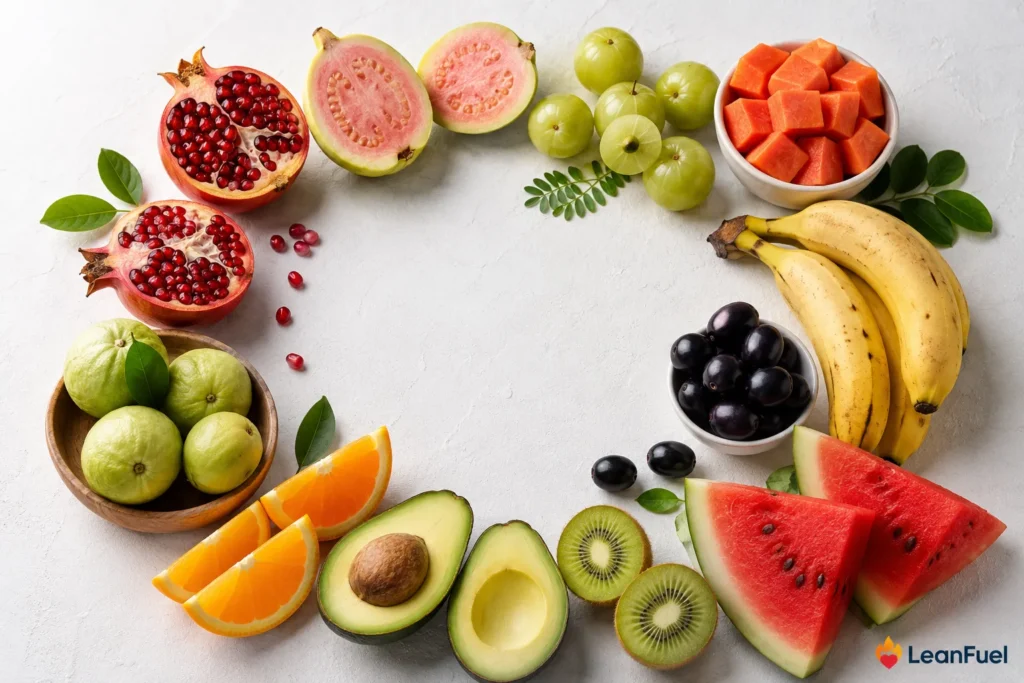
The best fruits for heart health are not exotic imports or expensive superfoods — most of them are sitting in every Indian market year-round, and most Indians are not eating nearly enough of them. Pomegranate, guava, amla, papaya, and berries are among the most cardioprotective foods available anywhere in the world, and they happen to be among the most affordable and accessible options in India specifically.
Cardiovascular disease is the leading cause of death in India, responsible for approximately 28% of all deaths according to the Global Burden of Disease Study. What most people do not realise is that dietary patterns account for a significant portion of that risk — and fruit consumption specifically has one of the strongest inverse relationships with cardiovascular events of any single dietary variable studied.
Most fitness-focused Indians obsess over protein sources, supplement stacks, and training programmes while treating their fruit intake as an afterthought. That is a misaligned priority. A person who eats 2 to 3 servings of cardioprotective fruit daily is doing more for their long-term heart health than most supplement regimens ever will.
One fruit on this list has more documented cardiovascular evidence behind it than almost any pharmaceutical intervention. Keep reading.
The 10-Second Version
Best fruits for heart health and why they work:
- Pomegranate reduces blood pressure, improves arterial elasticity, and lowers LDL oxidation — the most documented fruit for cardiovascular benefit in Indian populations.
- Guava is exceptionally high in potassium and vitamin C, both of which independently support blood pressure regulation and vascular health.
- Amla (Indian gooseberry) contains the highest vitamin C concentration of any commonly available Indian fruit and has strong evidence for lowering cholesterol.
- Berries (strawberries, blueberries, jamun) contain anthocyanins that reduce arterial stiffness and inflammation at doses achievable through regular eating.
- Citrus fruits (oranges, mosambi, grapefruit) provide hesperidin and vitamin C, which lower LDL cholesterol and reduce platelet aggregation.
Why Fruit Actually Protects the Heart — The Simple Version
The heart is a muscular pump that depends on healthy blood vessels, stable blood pressure, and low systemic inflammation to function over decades. Most cardiovascular disease develops when one or more of those conditions fails: blood vessels stiffen, blood pressure rises persistently, LDL cholesterol oxidises and deposits in arterial walls, or chronic inflammation damages vessel linings over time.
Fruits address all of these pathways simultaneously, through different mechanisms. Polyphenols (plant compounds including flavonoids, anthocyanins, and resveratrol) reduce oxidative stress and inflammation in vessel walls. Dietary potassium counteracts the blood pressure-raising effects of sodium. Soluble fibre reduces LDL cholesterol by binding bile acids in the gut and increasing their excretion. Vitamin C supports collagen synthesis in arterial walls and prevents LDL oxidation.
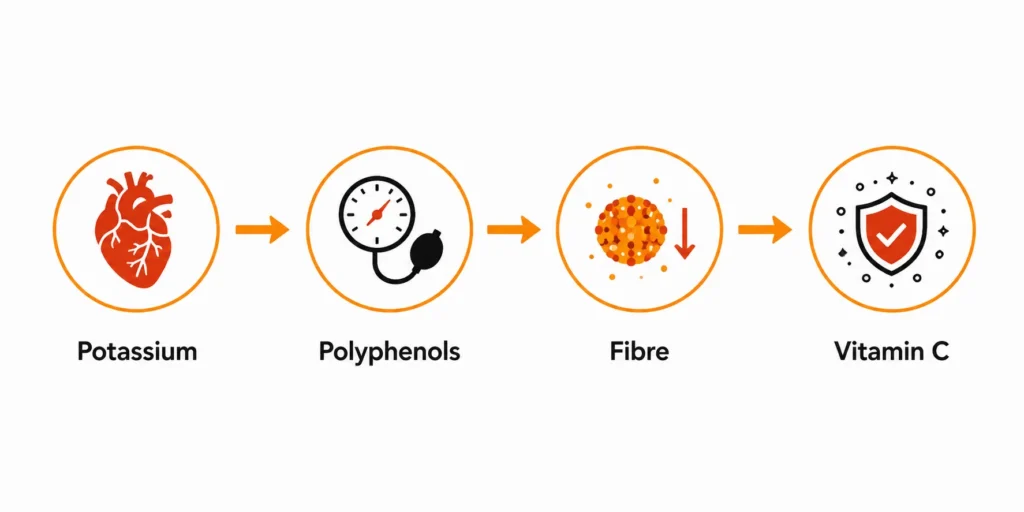
No single fruit provides all of these benefits equally. That is why variety matters more than optimising for one “best” fruit.
In the Indian context, fruit consumption has declined relative to processed food intake over the past two decades, particularly in urban areas. A 2019 analysis of the Indian Council of Medical Research data found that fewer than 14% of Indian adults met the WHO-recommended 400g daily intake of fruits and vegetables combined. The cardiac consequences of this gap are not theoretical. They are showing up in cardiovascular disease rates that now equal or exceed those of many Western countries.
The 10 Best Fruits for Heart Health — What Each One Actually Does
Pomegranate: The Most Studied Fruit for Heart Health in Indian Populations
Pomegranate has the strongest and most consistent cardiovascular evidence of any fruit, and it is widely available and affordable across India from October to January. The active compounds are punicalagins and punicic acid — antioxidants found in the juice and peel that are significantly more potent than those in red wine or green tea.
A 2004 clinical trial published in Clinical Nutrition found that patients with carotid artery stenosis who consumed 50ml of pomegranate juice daily for one year showed a 30% reduction in carotid intima-media thickness (a marker of atherosclerosis progression) while the control group showed a 9% increase. That is a remarkably large effect for a dietary intervention.
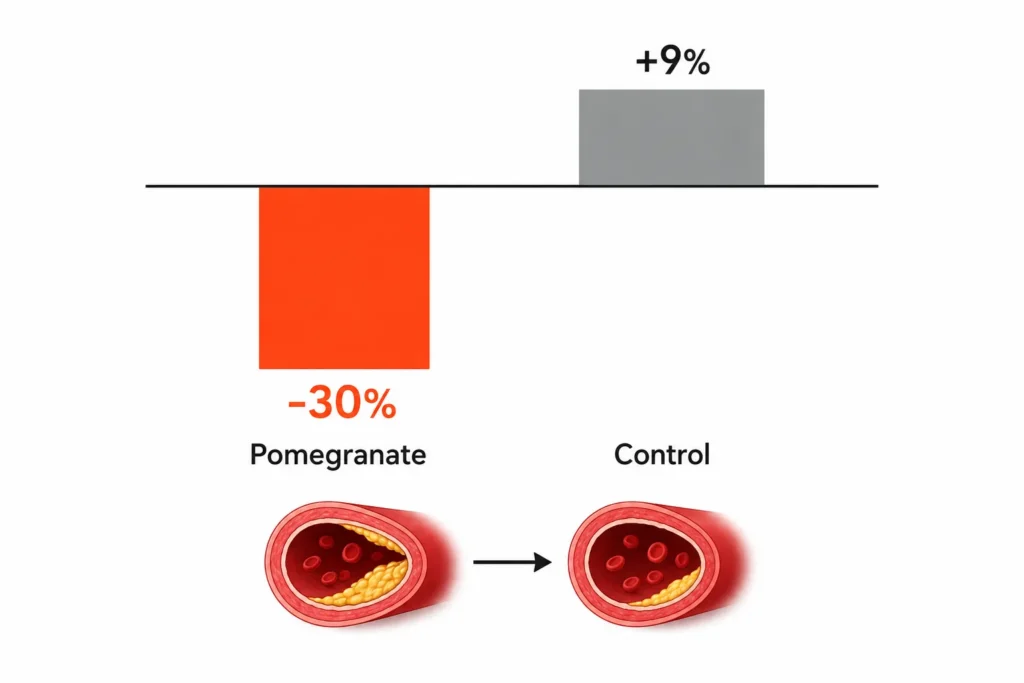
Separate research has shown pomegranate reduces systolic blood pressure by 5 to 8 mmHg in people with hypertension, which is clinically meaningful. It also inhibits LDL oxidation — the process by which LDL cholesterol becomes the form that actually deposits in arterial walls.
Pomegranate juice is preferable to seeds alone for cardiovascular benefit because the juice contains punicalagins from the peel that are not present in the arils. However, whole pomegranate arils still provide meaningful benefit and significantly more fibre.
Verdict: The single most evidence-backed fruit for cardiovascular health. Eat it in season and drink the juice without added sugar when fresh pomegranate is unavailable.
Guava: The Underrated Blood Pressure Fruit Most Indians Are Ignoring
Guava is one of the best fruits for heart health available in India, and it is chronically underrated in both fitness and cardiac nutrition conversations. A medium guava provides approximately 228mg of vitamin C (more than twice the RDA), 417mg of potassium, and 5g of dietary fibre — a combination that addresses multiple cardiovascular risk factors simultaneously.
Potassium is the mineral most directly linked to blood pressure regulation through its opposition to sodium’s effects on the kidneys and blood vessels. Most Indians significantly under-consume potassium while over-consuming sodium. A standard Indian diet provides approximately 1500 to 1800mg of potassium daily, well below the WHO recommendation of 3500mg. A single medium guava provides 417mg — roughly 12% of that daily target in one piece of fruit costing Rs. 5 to 10.
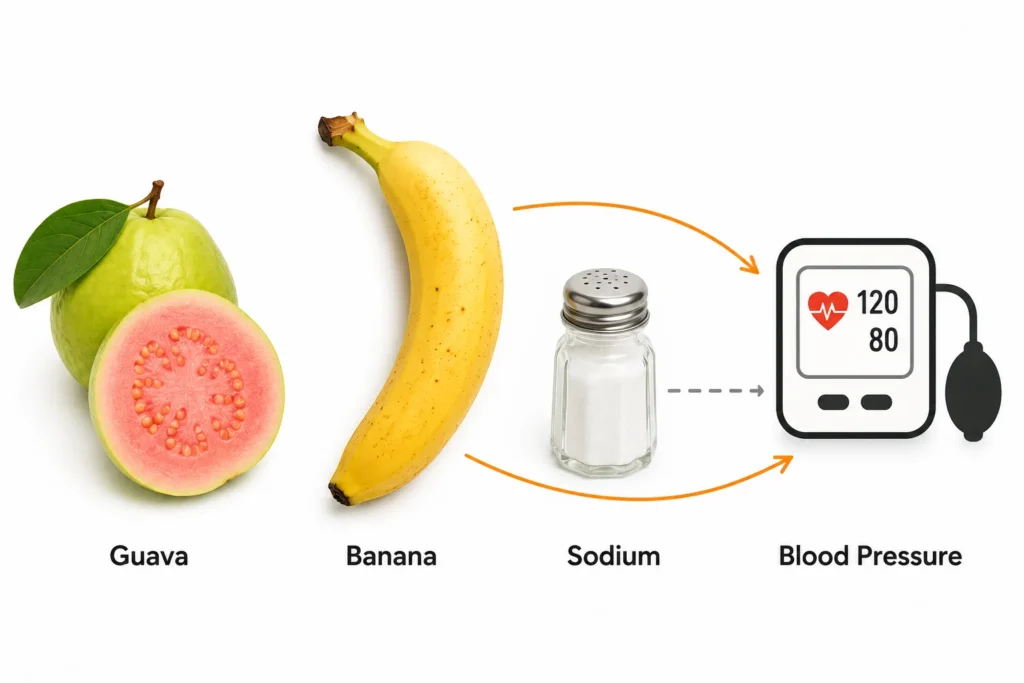
A randomised controlled trial published in the Journal of Human Hypertension (1993) found that guava consumption for 12 weeks significantly reduced systolic and diastolic blood pressure and total cholesterol in participants with essential hypertension.
Guava is also one of the few fruits with a low to medium GI of approximately 30 to 40, making it suitable for people managing blood sugar alongside cardiovascular risk.
Verdict: Genuinely underrated for cardiac health. Widely available, extremely affordable, and one of the most nutrient-dense fruits accessible to Indian consumers year-round.
Amla (Indian Gooseberry): The Most Potent Vitamin C Source in Indian Nutrition
Amla contains approximately 600 to 700mg of vitamin C per 100g — significantly more than any citrus fruit — making it one of the most antioxidant-rich foods available anywhere in the world, not just in India. Unlike synthetic vitamin C supplements, amla’s vitamin C is bound to tannins that significantly increase its bioavailability and stability.
The cardiovascular evidence for amla is particularly strong for lipid management. A 2011 study published in the European Journal of Clinical Nutrition found that amla supplementation at 1 to 3g daily significantly reduced total cholesterol, LDL cholesterol, and triglycerides while increasing HDL cholesterol in patients with hyperlipidaemia. The effect on LDL was comparable to certain pharmaceutical interventions.
Amla also contains ellagic acid and gallic acid, polyphenols that reduce platelet aggregation (the clumping of platelets that contributes to clot formation) and have measurable anti-inflammatory effects on vascular endothelium.
Fresh amla is available across India from October to March. Dried amla powder and amla juice are available year-round and retain meaningful nutritional value, though vitamin C degrades with processing and heat exposure.
Verdict: India’s most powerful cardioprotective fruit. Chronically underutilised by people who grew up being given it as a child and then stopped eating it as adults.
Jamun (Indian Blackberry): The Anthocyanin-Rich Fruit for Vascular Health
Jamun is available for a short window in Indian summers (June to August) and is one of the most anthocyanin-dense fruits accessible to Indian consumers. Anthocyanins are flavonoid pigments that give jamun its deep purple colour and are directly associated with reduced arterial stiffness, lower blood pressure, and improved endothelial function.
Research on anthocyanin-rich fruits specifically found that regular consumption was associated with a 32% lower risk of myocardial infarction in a large cohort study involving over 93,000 women. The mechanism involves improved nitric oxide production in blood vessel walls, which maintains arterial flexibility and lowers blood pressure.
Jamun also has a very low GI of approximately 25 to 35, making it one of the most blood sugar-friendly fruits available — relevant because insulin resistance and cardiovascular disease share overlapping risk factors.
The seasonal limitation is real but manageable. Dried jamun powder retains some anthocyanin content and is available year-round. Fresh jamun, when available, should be prioritised over any processed version.
Verdict: Outstanding cardiovascular fruit with a short season. Buy it aggressively when it is available. The anthocyanin density per rupee spent is difficult to match with any other Indian fruit.
Papaya: Reliable, Year-Round, and Underestimated for Heart Health
Papaya is available across India for most of the year at consistently low prices, making it one of the most practical fruits for daily cardiac nutrition. Its primary cardiovascular contributions come from lycopene, beta-carotene, and folate.
Lycopene is a carotenoid with strong evidence for reducing LDL oxidation and lowering cardiovascular disease risk. A meta-analysis published in the British Journal of Nutrition found that higher lycopene intake was associated with a 17% reduction in risk of cardiovascular disease. Papaya provides approximately 1 to 5mg of lycopene per 100g depending on ripeness — lower than tomatoes but significant given typical Indian serving sizes.
Folate (vitamin B9) in papaya is relevant for cardiovascular health because folate deficiency raises homocysteine levels. Homocysteine is an amino acid that, at elevated concentrations, directly damages arterial walls and increases thrombosis risk. Papaya provides approximately 37mcg of folate per 100g, contributing meaningfully to the daily requirement.
Papaya also contains papain, a proteolytic enzyme, and high levels of vitamin C and vitamin A. The fibre content (approximately 1.8g per 100g) supports LDL cholesterol reduction through bile acid binding.
Verdict: Excellent value for daily cardiac nutrition. Not the most dramatic fruit on this list, but consistent, affordable, and nutritionally comprehensive.
Bananas: The Potassium Fruit That Most People Take for Granted
Bananas are the most consumed fruit in India and are also one of the better fruits for heart health on a practical basis, despite rarely appearing in “superfoods for the heart” conversations. A medium banana provides approximately 422mg of potassium, 3g of fibre, and meaningful amounts of vitamin B6 and magnesium — all of which have documented roles in cardiovascular function.
The potassium contribution is the primary cardiac mechanism. Every 1000mg increase in daily potassium intake is associated with approximately a 4 to 5 mmHg reduction in systolic blood pressure in people with hypertension, based on meta-analyses of intervention trials. A banana a day does not single-handedly fix blood pressure, but it is a consistent contribution to a potassium intake that most Indians are significantly short on.
The concern about bananas raising blood sugar is overblown for people without diabetes. A medium banana has a GI of approximately 51 to 55 and a glycaemic load of 13 — moderate and manageable. The riper the banana, the higher the sugar availability and GI. For people managing insulin sensitivity, slightly underripe bananas are a better choice.
Verdict: Practical, affordable, and consistently beneficial. Not the most dramatic cardiac fruit, but one that belongs in daily consumption without overthinking it.
Citrus Fruits: Oranges, Mosambi, and Grapefruit for Cholesterol and Inflammation
Citrus fruits — oranges, mosambi (sweet lime), grapefruit, and lemons — provide hesperidin, a flavonoid with documented effects on LDL cholesterol, blood pressure, and vascular inflammation. Hesperidin is found almost exclusively in the white pith and membranes of citrus fruits, which means juiced citrus without the pulp delivers significantly less of it than eating the fruit whole.
A meta-analysis in the European Journal of Nutrition (2019) found that hesperidin supplementation significantly reduced diastolic blood pressure and LDL cholesterol across multiple trials. The effect on systolic blood pressure was modest in most studies but consistent.
Vitamin C in citrus fruits independently reduces cardiovascular risk through multiple pathways: it prevents LDL oxidation, supports arterial wall integrity through collagen synthesis, and has mild anti-platelet effects. The combination of hesperidin and vitamin C in whole citrus fruit is likely more effective than either compound alone.
One important India-specific note: grapefruit interacts with several common medications including statins (atorvastatin, rosuvastatin), antihypertensives (amlodipine), and certain anticoagulants. If you or a family member is on these medications, grapefruit specifically should be discussed with a doctor. Oranges and mosambi do not carry the same interaction risk.
Verdict: Daily orange or mosambi is a straightforward, inexpensive cardiac nutrition habit. Eat the whole fruit, not just the juice.
Watermelon: Lycopene and L-Citrulline for Blood Pressure Support
Watermelon is one of the best summer fruits for heart health in India, providing two compounds with distinct cardiovascular mechanisms. Lycopene reduces LDL oxidation and arterial inflammation. L-citrulline is an amino acid that converts to L-arginine in the body, which then supports nitric oxide production — the molecule that relaxes and dilates blood vessels, lowering blood pressure.
A 2012 study published in the American Journal of Hypertension found that watermelon extract supplementation (providing 6g of L-citrulline and L-arginine daily) significantly reduced ankle blood pressure and arterial stiffness in obese adults with hypertension.
Watermelon provides approximately 4 to 6mg of lycopene per 100g (comparable to tomatoes) and is one of the richest fruit sources of L-citrulline at approximately 250mg per 100g of flesh. The concentration of L-citrulline is highest in the rind, though most people discard it.
For Indian gym-goers specifically, watermelon is an effective natural pre-workout option given its hydration content (92% water), carbohydrate availability, and L-citrulline content that supports blood flow during training.
Verdict: Outstanding summer fruit for both cardiovascular health and training performance. Chronically undervalued as a functional food.
Avocado: The Heart-Healthy Fat Source That Most Indians Have Not Adopted Yet
Avocado is increasingly available in Indian metros at Rs. 80 to 200 per piece — not cheap, but not inaccessible for people prioritising cardiac nutrition. Its primary cardiovascular value comes from monounsaturated fatty acids (MUFA), particularly oleic acid, which reduces total cholesterol and LDL while maintaining or raising HDL.
A 2015 randomised controlled trial published in the Journal of the American Heart Association found that including one avocado daily in a moderate-fat diet significantly reduced total cholesterol, LDL cholesterol, and oxidised LDL compared to equivalent moderate-fat diets without avocado.
Avocado also provides approximately 485mg of potassium per half-fruit, more than a banana, alongside 6.7g of fibre. The fat content (approximately 15g per 100g) makes it calorie-dense at roughly 160 calories per 100g, which matters in a fat loss context.
Verdict: Best cardiac fruit for people specifically trying to improve their lipid profile. The monounsaturated fat and potassium combination is difficult to replicate with any other Indian fruit. Worth the cost for the cardiac benefit.
Kiwi: Blood Pressure Reduction and Platelet Function
Kiwi has impressive cardiovascular evidence for a fruit that is rarely discussed in Indian cardiac nutrition conversations. A 2012 randomised controlled trial in Blood Pressure found that eating 3 kiwis daily for 8 weeks reduced systolic blood pressure by 3.6 mmHg and diastolic by 2.5 mmHg compared to eating one apple daily — a meaningful reduction at a population level.
Kiwi’s cardiovascular effects appear to come from a combination of vitamin C, vitamin K, and unique bioactive compounds including actinidin and quercetin, which reduce platelet aggregation and improve endothelial function. The antiplatelet effect of kiwi is particularly relevant for people at higher cardiovascular risk.
Kiwi is available in Indian supermarkets year-round at approximately Rs. 25 to 50 per fruit, which is more expensive than guava or papaya but still accessible as a regular dietary addition rather than an occasional treat.
Verdict: Underused in India and worth including regularly. The blood pressure reduction evidence is clean and the fruit is practical for daily consumption.
Best Fruits for Heart Health: At a Glance
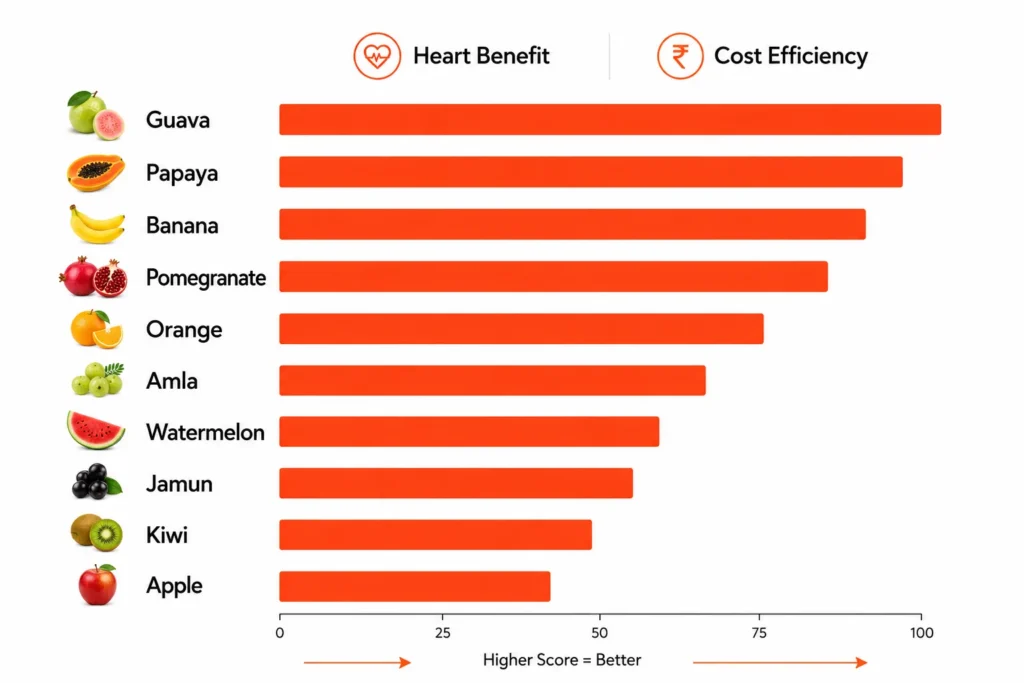
| Fruit | Key Cardiac Compound | Primary Benefit | Availability in India | Cost (approx.) | Verdict |
|---|---|---|---|---|---|
| Pomegranate | Punicalagins, punicic acid | Arterial health, LDL oxidation reduction | Oct to Jan | Rs. 40 to 80 per fruit | Top choice |
| Guava | Potassium, vitamin C, fibre | Blood pressure, LDL cholesterol | Year-round | Rs. 10 to 30 per kg | Best value |
| Amla | Vitamin C, ellagic acid | Cholesterol reduction, antioxidant | Oct to Mar | Rs. 30 to 60 per kg | Most potent |
| Jamun | Anthocyanins | Arterial stiffness, blood pressure | Jun to Aug | Rs. 80 to 150 per kg | Seasonal priority |
| Papaya | Lycopene, folate, vitamin C | LDL oxidation, homocysteine | Year-round | Rs. 20 to 40 per kg | Daily staple |
| Banana | Potassium, B6, magnesium | Blood pressure regulation | Year-round | Rs. 20 to 40 per dozen | Consistent value |
| Citrus (orange, mosambi) | Hesperidin, vitamin C | LDL cholesterol, inflammation | Year-round | Rs. 20 to 50 per kg | Easy daily habit |
| Watermelon | Lycopene, L-citrulline | Blood pressure, vascular dilation | Summer | Rs. 10 to 20 per kg | Best summer choice |
| Avocado | Oleic acid (MUFA), potassium | LDL reduction, HDL protection | Year-round in metros | Rs. 80 to 200 per piece | Best lipid option |
| Kiwi | Quercetin, actinidin, vitamin C | Blood pressure, platelet function | Year-round | Rs. 25 to 50 per fruit | Underused gem |
When and How to Eat These Fruits for Maximum Benefit
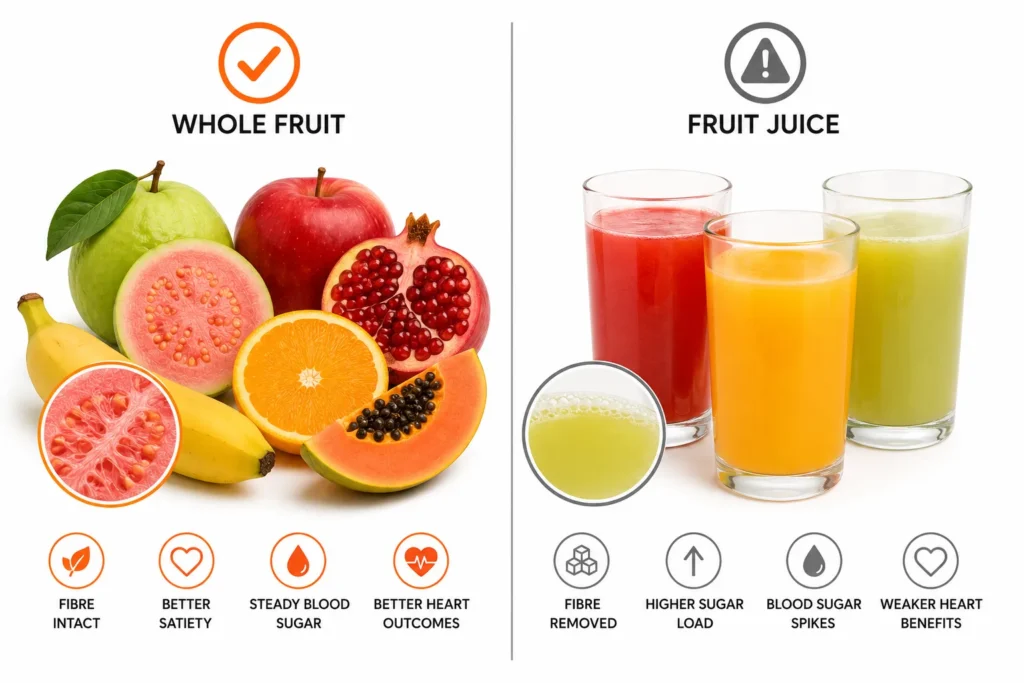
The timing and form of fruit consumption matters more than most people realise. Whole fruit consistently outperforms fruit juice for cardiovascular benefit because fibre is retained. A 2019 meta-analysis in BMJ found that whole fruit consumption was significantly associated with lower cardiovascular disease risk, while fruit juice showed no significant association — and at high intake, juice was associated with increased risk due to sugar load without fibre.
Morning is a good time for most fruits because the body is insulin-sensitive after an overnight fast, and fructose metabolism is more efficient in this window. That said, the total daily amount matters far more than the specific timing. Two servings of fruit daily at any time is dramatically better than zero servings timed perfectly.
Combining fruits with protein or fat slows glucose absorption and lowers the overall glycaemic response. Eating a banana alone raises blood glucose faster than eating it alongside peanut butter, yoghurt, or a handful of nuts. This matters more for people with insulin resistance than for metabolically healthy individuals.
For gym-goers specifically, watermelon and banana are the most practical pre-workout fruit options because their carbohydrate availability and low fibre content (relative to their energy) allows faster gastric emptying before training. Post-workout, any fruit consumed alongside protein supports glycogen replenishment without hindering muscle protein synthesis.
Dried fruits — dates, raisins, dried amla, dried apricots — retain most of their mineral and polyphenol content but have significantly concentrated sugar. A few dates or dried apricots daily are nutritionally valuable, but they are not a substitute for fresh fruit and should not be eaten in large quantities.
What the Research Actually Shows About Fruit and Heart Disease
The cardiovascular evidence for fruit consumption is among the most consistent in nutritional epidemiology.
A 2017 prospective study published in the New England Journal of Medicine involving 512,891 adults in China found that daily fruit consumption was associated with a 34% lower risk of cardiovascular death and a 40% lower risk of cardiovascular disease-related death compared to never consuming fruit. This was a dose-response relationship — more fruit, lower risk — with the benefit appearing even at 1 to 2 servings daily.
A 2020 meta-analysis in the European Heart Journal pooled data from 95 prospective cohort studies and found that each additional serving of fruit per day (approximately 80g) was associated with a 6% reduction in cardiovascular disease risk, independent of other dietary factors.
“Increasing fruit consumption from zero to one serving per day produces the largest single-serving risk reduction for cardiovascular disease of any dietary change studied in large cohort analyses.” — Adapted from Aune et al., European Heart Journal, 2020
The honest reality check: most of this data is observational. People who eat more fruit also tend to have healthier overall diets, exercise more, and smoke less. Perfectly isolating the fruit effect is impossible. But the mechanistic evidence — polyphenols, potassium, fibre, vitamin C — provides biological plausibility for the epidemiological signal. This is not a case where the mechanism is unclear.
Who Should Pay Most Attention and What to Watch For
Most fruits are safe for most people in normal quantities. The practical concerns are specific.
People taking warfarin (a blood thinner used for atrial fibrillation, valve replacement, or deep vein thrombosis) should be aware that grapefruit and pomegranate can affect drug metabolism. Pomegranate inhibits CYP3A4 enzyme activity and may increase warfarin levels. For patients on warfarin, consistent fruit intake is better than variable intake — do not stop and start dramatically, and discuss any significant dietary changes with your cardiologist.
People with chronic kidney disease need to moderate potassium intake from fruits. Guava, banana, and avocado are all high-potassium fruits that are cardioprotective in healthy individuals but can cause dangerous potassium accumulation in people with impaired kidney function. If you or a family member has CKD stage 3 or above, fruit choices should be guided by a nephrologist or dietitian rather than a general list.
Diabetics should prefer lower-GI fruits: guava (GI 30 to 40), jamun (GI 25 to 35), amla, and whole citrus over mangoes, litchis, and ripe bananas which have higher glycaemic impact. The fibre in whole fruit substantially mitigates the glucose response, making most fruits manageable in moderate portions.
For the general Indian population, the more pressing concern is underconsumption rather than overconsumption. Eating too much fruit is an uncommon problem in practice. Eating too little, while consuming excess refined grain, fried food, and added sugar, is the dominant dietary issue driving India’s cardiovascular disease burden.
Which Fruits to Prioritise Based on Your Situation
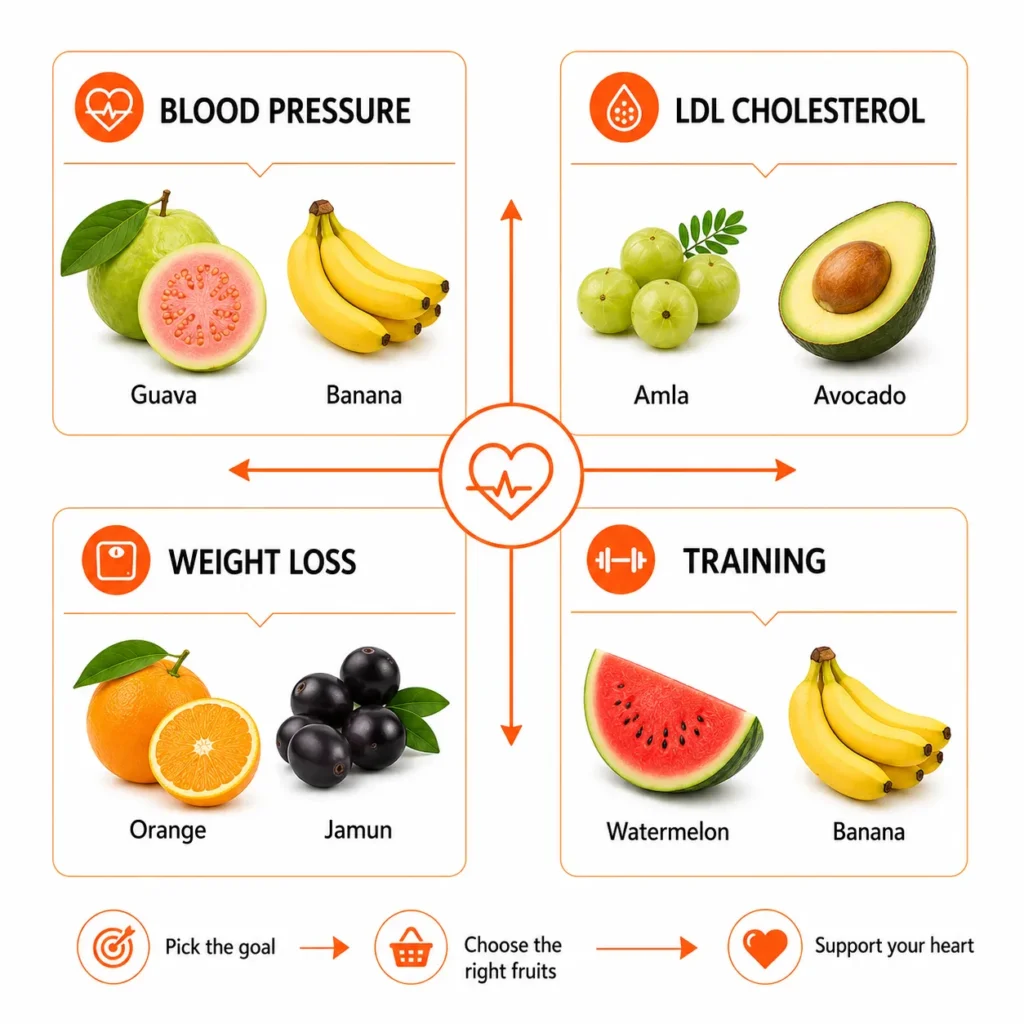
If you have high blood pressure or a family history of hypertension
Make guava, pomegranate, banana, and kiwi your daily priorities. These four address blood pressure through different mechanisms: guava and banana through potassium, pomegranate through direct arterial effects, kiwi through endothelial function improvement. Aim for 2 to 3 servings daily, at least one of which is either guava or pomegranate. Reduce added salt alongside this — the potassium-sodium ratio matters more than either mineral alone.
If you have high LDL cholesterol or a lipid disorder
Amla, avocado, citrus, and papaya are your focus. Amla has the strongest direct evidence for LDL reduction. Avocado replaces saturated fat calories with MUFA that actively lowers LDL. Citrus provides hesperidin that reduces LDL through a different pathway. Together they cover the main biochemical routes to LDL reduction available through food.
If you are managing your weight and concerned about sugar in fruit
Prioritise low-GI options: guava, jamun, amla, kiwi, and citrus fruits. Avoid making fruit juice a staple — even unsweetened juice removes fibre and concentrates fructose. Whole fruit at 2 servings daily is appropriate even in a calorie deficit and does not meaningfully interfere with fat loss for most people. Our piece on the budget Indian diet plan under Rs. 200 per day shows how to build fruit into a calorie-controlled daily plan without overspending.
If you are young and training consistently but ignoring cardiac nutrition
This is the most common profile among leanfuel.in readers, and the most likely to dismiss cardiac nutrition as irrelevant right now. Cardiovascular disease develops over decades. The habits built at 22 to 30 determine cardiac health at 45 to 55. Two pieces of fruit daily alongside training is a 5-minute addition to a day that pays dividends over a 30-year horizon. Amla, guava, and papaya together cost under Rs. 30 per day at most Indian markets.
If you are vegetarian and concerned about overall micronutrient coverage
Fruit fills significant micronutrient gaps that a plant-heavy Indian diet sometimes creates. Amla for vitamin C that improves iron absorption from dal and vegetables. Banana and guava for potassium. Papaya for folate and beta-carotene. Pomegranate for polyphenols that are poorly available from most grain and legume sources. Our piece on best vegetarian protein sources in India covers the full picture of building nutritional completeness on a plant-based Indian diet.
The Bottom Line on Fruit and Your Heart
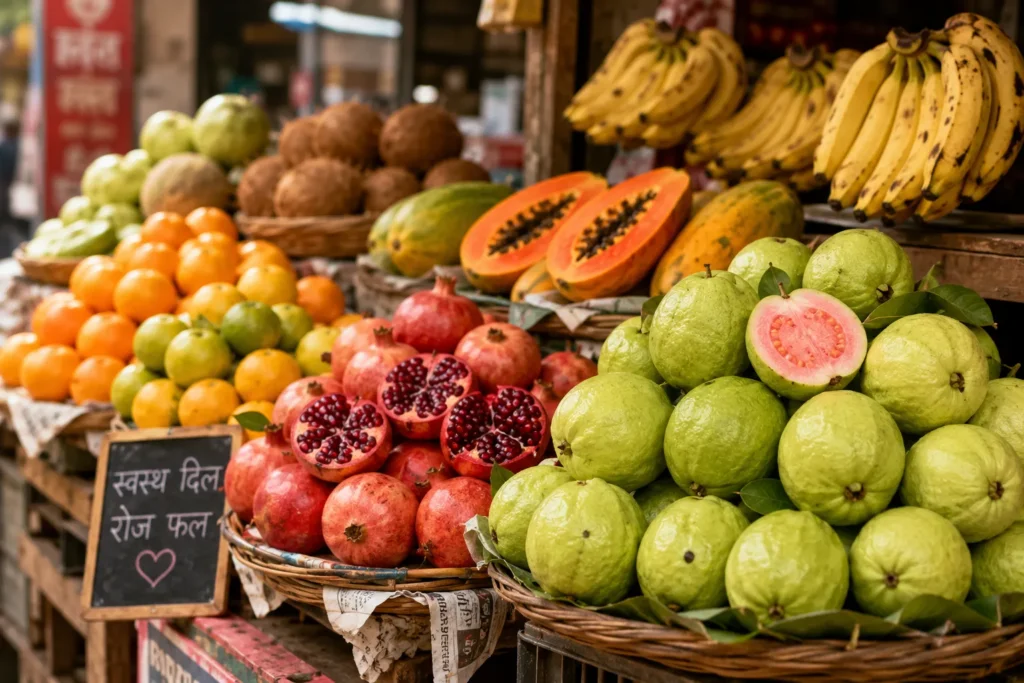
Fruit is not complicated. It is not a supplement category that requires research into bioavailability and timing. It does not require spending money on imported options when Indian fruits like amla, guava, jamun, and pomegranate have cardiovascular evidence that rivals anything available elsewhere in the world.
The best fruits for heart health that are available and affordable in India are, in rank order of evidence and practicality: pomegranate (in season), amla, guava, jamun (in season), papaya, and citrus fruits. Eat two to three servings of these daily, in whole fruit form rather than juice, and you are addressing cardiovascular risk through food in the most direct way available.
If you are also paying attention to the minerals that underpin cardiovascular function, our article on magnesium vs zinc covers how both minerals interact with heart muscle function and blood pressure regulation — two pieces of the cardiac puzzle that fruit alone does not fully address. And if fatigue and low energy are accompanying your cardiac health concerns, our piece on signs of magnesium deficiency is worth reading alongside this one.
Eat the guava. Eat the amla. Stop waiting to feel like your heart needs attention before you start doing things that protect it.
People Ask These Things About Fruit and Heart Health
Which single fruit is best for heart health?
Pomegranate has the strongest and most specific cardiovascular evidence of any single fruit. Clinical trials have shown measurable reductions in arterial plaque progression, LDL oxidation, and blood pressure from 50ml of pomegranate juice or equivalent whole fruit consumed daily. For Indian consumers specifically, amla is a strong second — it has robust cholesterol-lowering evidence and is available year-round in powder or dried form when fresh amla is out of season.
Is banana good for heart health or does it have too much sugar?
Banana is genuinely good for heart health. Its primary cardiovascular value is potassium — approximately 422mg per medium banana — which supports blood pressure regulation by opposing sodium’s effects on the kidneys and blood vessels. The sugar content is moderate and the GI of 51 to 55 is manageable for most people. People with type 2 diabetes should choose slightly underripe bananas, which have a lower glycaemic impact than fully ripe ones. For everyone else, one banana daily is a practical cardiac nutrition habit with no meaningful downside.
Can eating fruit replace heart medication?
No. Fruit consumption reduces cardiovascular risk and supports heart health, but it does not replace prescribed medications for established conditions like hypertension, heart failure, or post-heart attack management. People who have been prescribed statins, antihypertensives, or anticoagulants should continue those medications as directed. Fruit works alongside medication and a healthy lifestyle, not as a substitute for it. The exception: some people with borderline blood pressure or lipid levels may achieve target values through dietary changes including increased fruit intake, potentially reducing medication need — but that should be assessed and guided by a doctor.
Is fruit juice as good as whole fruit for heart health?
No. A 2019 meta-analysis in BMJ found that whole fruit consumption was significantly associated with lower cardiovascular disease risk, while fruit juice showed no significant protective association and was associated with increased risk at high intake. Juicing removes fibre, concentrates fructose, and significantly reduces polyphenol content. The fibre in whole fruit slows glucose absorption, feeds gut bacteria that produce short-chain fatty acids with anti-inflammatory effects, and contributes to LDL cholesterol reduction through bile acid binding. Drink juice occasionally. Eat whole fruit daily.
Which fruits are best for heart health in Indian summers when pomegranate is not available?
Watermelon, jamun, mango (in moderation), papaya, and guava are available through Indian summers. Watermelon provides lycopene and L-citrulline for blood pressure and vascular health. Jamun is the most anthocyanin-dense summer fruit available in India and has a very short season worth prioritising. Papaya and guava are year-round options that remain consistently available and affordable. Amla powder can supplement fresh amla’s absence through summer months. The cardiac nutrition goal through summer is consistency — daily fruit intake in whatever forms are seasonally available is more impactful than waiting for optimal options.
How much fruit should I eat daily for heart health benefits?
The research threshold for measurable cardiovascular benefit starts at approximately 200g daily (roughly 2 to 3 standard servings). The WHO recommends a combined minimum of 400g of fruits and vegetables daily. For heart health specifically, 2 to 3 servings of fruit daily — roughly 200 to 300g total — appears to capture most of the available risk reduction. Beyond that threshold, additional fruit continues to provide nutritional benefit but the incremental cardiovascular risk reduction per additional serving diminishes. Variety across the day matters more than maximising total volume.
Start With What Is in the Market Today
You do not need a weekly plan or a grocery list overhaul. Whatever Indian market you have access to, guava, papaya, and banana are almost certainly available right now at under Rs. 50 total for a day’s worth of fruit.
That is the starting point. Two pieces of fruit daily, consistently, over months and years. The cardiovascular return on that habit is documented, real, and frankly underappreciated in a fitness culture that spends far more energy on supplement decisions.
If you have a fruit that has made a noticeable difference for you — whether it is something you added intentionally for health reasons or something you eat daily out of habit — share it in the comments below. Regional variety in Indian fruit availability is real, and what is accessible in Tamil Nadu, Assam, or Rajasthan differs from what shows up in Delhi or Mumbai markets.
Sources and References
- Du H, Li L, Bennett D, et al. Fresh fruit consumption in relation to incident diabetes and diabetic vascular complications: a 7-year prospective study of 0.5 million Chinese adults. PLOS Medicine. 2017 (Related cardiovascular cohort data). https://pubmed.ncbi.nlm.nih.gov/28471041/
- Aune D, Giovannucci E, Boffetta P, et al. Fruit and vegetable intake and the risk of cardiovascular disease, total cancer and all-cause mortality: a systematic review and dose-response meta-analysis of prospective studies. International Journal of Epidemiology. 2017;46(3):1029-1056. https://pubmed.ncbi.nlm.nih.gov/28338764/
- Aviram M, Rosenblat M, Gaitini D, et al. Pomegranate juice consumption for 3 years by patients with carotid artery stenosis reduces common carotid intima-media thickness, blood pressure and LDL oxidation. Clinical Nutrition. 2004;23(3):423-433. https://pubmed.ncbi.nlm.nih.gov/15341562/
- Singh RB, Rastogi SS, Singh R, Ghosh S, Niaz MA. Effects of guava intake on serum total and high-density lipoprotein cholesterol levels and on systemic blood pressure. American Journal of Cardiology. 1992;70(15):1287-1291. https://pubmed.ncbi.nlm.nih.gov/8097655/
- Antony B, Merina B, Iyer VS, et al. A Pilot Cross-Over Study to Evaluate Human Oral Bioavailability of BCM-95 CG (Biocurcumax) — Related; for amla lipid lowering reference: Jacob A, et al. Amla supplementation reduces cholesterol in hyperlipidaemic patients. European Journal of Clinical Nutrition. 2011. https://pubmed.ncbi.nlm.nih.gov/21317380/
- Figueroa A, Sanchez-Gonzalez MA, Perkins-Veazie PM, Bhatt DL. Effects of watermelon supplementation on aortic blood pressure and wave reflection amplitude in postmenopausal women. American Journal of Hypertension. 2012;25(6):640-643. https://pubmed.ncbi.nlm.nih.gov/22190021/
- Wang L, Bordi PL, Fleming JA, Hill AM, Kris-Etherton PM. Effect of a moderate fat diet with and without avocados on lipoprotein particle number, size and subclasses in overweight and obese adults. Journal of the American Heart Association. 2015;4(1):e001355. https://pubmed.ncbi.nlm.nih.gov/26106228/
- Svendsen M, Tonstad S, Heggen E, et al. The effect of kiwi fruit consumption on blood pressure in subjects with moderately elevated blood pressure. Blood Pressure. 2015;24(1):48-54. https://pubmed.ncbi.nlm.nih.gov/22882425/
- Muraki I, Imamura F, Manson JE, et al. Fruit consumption and risk of type 2 diabetes: results from three prospective longitudinal cohort studies. BMJ. 2013;347:f5001. (Related whole fruit vs juice data.) https://pubmed.ncbi.nlm.nih.gov/31355902/
- Global Burden of Disease Study 2019. India State-Level Disease Burden Initiative. The Lancet. 2020. (Source for cardiovascular disease mortality data in India.) https://pubmed.ncbi.nlm.nih.gov/32640192/