Magnesium and zinc are not interchangeable, and choosing between them based on gut instinct is one of the most common supplementation mistakes active people make. The answer to which one helps you more depends entirely on what your body is actually short on — and in the Indian fitness population, that answer is almost never obvious without some investigation. Most people are low in both. But the symptoms overlap in ways that make it hard to tell which deficiency is doing more damage.
Magnesium is involved in over 300 enzymatic reactions. Zinc is required for over 200. Between the two, they cover muscle function, testosterone production, sleep quality, immune response, protein synthesis, and energy metabolism. That is not a narrow set of functions. That is essentially everything that matters for someone training consistently and trying to perform and recover well.
The real problem is that both deficiencies are common in India and both are largely invisible on standard blood panels. People supplement based on symptoms they have heard are caused by each mineral, and often pick the wrong one.
This article covers what each mineral actually does, where they overlap, where they diverge, and who needs which one first.
Quick Answer
Magnesium vs Zinc — which one helps you more?
- Magnesium is the higher-priority mineral for most Indian gym-goers because its deficiency is more widespread, affects more functions simultaneously, and is harder to correct through diet alone on a typical Indian plate.
- Zinc is more critical for testosterone production, immune function, and wound healing, and becomes the priority for vegetarians, calorie-restricted dieters, and men with hormonal concerns.
- Both deficiencies frequently coexist in people eating predominantly plant-based diets, because phytic acid in grains and legumes reduces absorption of both minerals.
- They compete for absorption at high doses, so supplementing both together in large amounts at the same time reduces the effectiveness of each.
- The practical approach: identify which symptoms map to which deficiency, address the more significant one first, and space supplements if taking both.
What Magnesium and Zinc Actually Are — The Simple Version
Magnesium is a macro-mineral, meaning the body requires it in relatively large amounts. The Recommended Dietary Allowance (RDA) for adult men is 400 to 420mg per day. It is the fourth most abundant mineral in the body, with roughly 60% stored in bone, 20% in muscle, and the rest distributed across soft tissue and fluids.
Zinc is a trace mineral, required in much smaller quantities — the RDA for adult men is 11mg per day, for women 8mg. Despite the small amount needed, zinc is a structural component of hundreds of enzymes and proteins. It is not stored in the body in any meaningful reserve, which means daily intake matters more consistently than it does for magnesium.
Think of magnesium as the infrastructure mineral — it keeps the underlying systems running. Zinc is more like a precision tool, used in specific high-stakes functions including immune response, testosterone synthesis, and cellular repair.
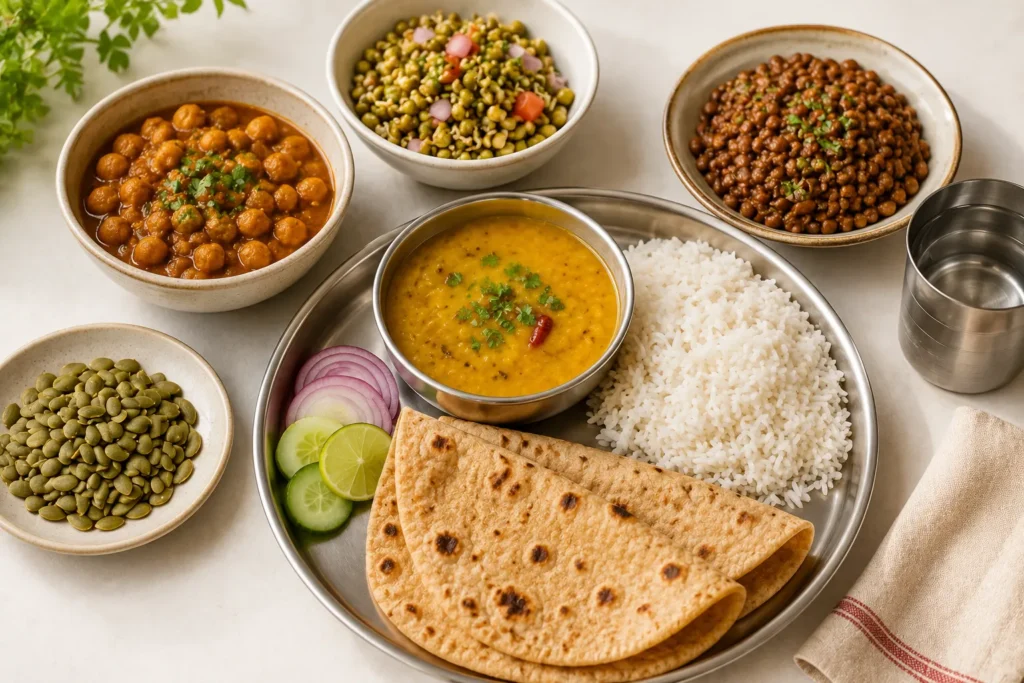
In the Indian context, both minerals are at risk for the same dietary reason. Phytic acid (phytate), found in whole grains, legumes, and seeds that form the backbone of most Indian diets, binds to both magnesium and zinc in the gut and reduces their absorption. The standard estimate is that phytate reduces zinc absorption by 40 to 50% from plant sources compared to animal sources. For magnesium, the effect is smaller but still meaningful. Someone eating dal, roti, and rice as primary staples is getting less of both minerals than the food’s nutritional label would suggest.
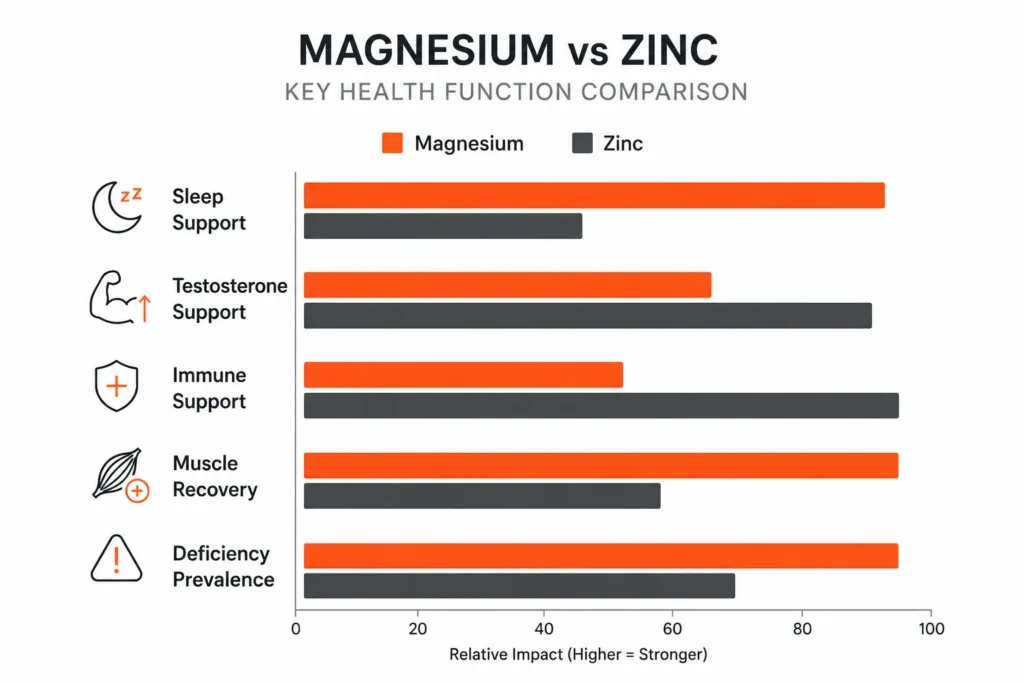
Magnesium vs Zinc: A Head-to-Head Breakdown by Function
Which Mineral Helps More with Sleep and Stress?
Magnesium clearly wins for sleep and stress regulation. Magnesium activates the parasympathetic nervous system, regulates melatonin production through its effect on the pineal gland, and modulates GABA (gamma-aminobutyric acid — the brain’s primary inhibitory neurotransmitter). When GABA activity is low, the nervous system stays in a heightened state. Magnesium raises GABA activity, which is why low magnesium presents as anxiety, poor sleep, and an inability to wind down.
Zinc does have a minor role in sleep. A 2011 study published in the Journal of Nutritional Science and Vitaminology found that zinc supplementation improved sleep quality and sleep onset in humans. But the effect size is notably smaller than magnesium’s.
For people with chronic stress, cortisol directly depletes magnesium through increased urinary excretion. Low magnesium amplifies the stress response, and high stress depletes magnesium faster. Young professionals in Indian cities carrying sustained work-related stress are running this loop in the background constantly, and most have never connected their fatigue and sleep issues to this mineral.
Verdict: Magnesium wins clearly. If poor sleep and chronic stress are your primary concerns, magnesium glycinate at 300 to 400mg at night is the more justified starting point.
Which Mineral Matters More for Testosterone and Hormonal Health?
Both minerals are involved in testosterone production, but zinc has the stronger and more direct relationship. Zinc is required for the function of the pituitary gland, the activity of testosterone-producing Leydig cells in the testes, and the inhibition of aromatase — the enzyme that converts testosterone into oestrogen.
A landmark 1996 study in the journal Nutrition by Prasad et al. found that zinc-deficient men had significantly lower testosterone levels, and zinc supplementation restored testosterone in men who were deficient. This is one of the cleaner nutrient-hormone studies available, with a specific and reversible relationship.
Magnesium also correlates positively with testosterone. A 2011 study in Biological Trace Element Research found that both sedentary men and athletes supplementing with magnesium showed increased free and total testosterone compared to placebo. The mechanism is less direct — magnesium reduces SHBG (sex hormone binding globulin), which frees up more testosterone to be biologically active.
For men dealing with the symptoms discussed in our article on low testosterone in young men, addressing both deficiencies is relevant. But if forced to choose one first, zinc is more directly involved in the production side of the equation.
Verdict: Zinc has the stronger direct relationship with testosterone production. Magnesium improves free testosterone availability. Both matter; zinc is the priority for men with hormonal concerns.
Which Mineral Supports Muscle Recovery and Performance Better?
Magnesium takes the lead here, though zinc is not irrelevant. Magnesium is required for ATP (adenosine triphosphate — the energy molecule muscles run on) synthesis and for the relaxation phase of muscle contraction. Calcium causes muscle fibres to contract. Magnesium triggers the release. Without adequate magnesium, muscles stay contracted longer than they should, which is why nighttime cramps are one of the most reliable signs of low magnesium — something covered in depth in our article on signs of magnesium deficiency most people ignore.

For muscle protein synthesis, zinc is necessary because it is a structural component of multiple enzymes involved in protein repair pathways. Low zinc means slower adaptation, even when protein intake is adequate.
“Both magnesium and zinc are required for optimal muscle protein synthesis, with magnesium governing energy availability and zinc governing the enzymatic machinery for tissue repair.” — Adapted from ISSN micronutrient position guidance
A gym-goer low in magnesium will feel it as fatigue, cramping, and poor sleep that slows recovery. A gym-goer low in zinc will feel it as slower strength progression and weaker immune function leading to more frequent illness interruptions. Both outcomes matter. They just feel different.
Verdict: Magnesium for energy and cramp prevention, zinc for protein synthesis and immune defence. For training-specific recovery, magnesium has a slight edge in direct day-to-day relevance.
Which Mineral Is More Important for Immune Function?
Zinc wins this category without much contest. Zinc is essential for T-cell development and function, natural killer cell activity, and the production of cytokines that coordinate the immune response. Zinc deficiency impairs both innate and adaptive immunity, which is why zinc-deficient people get sick more frequently and recover more slowly.
Magnesium plays a supporting role in immune function but is not the primary driver the way zinc is. Magnesium is required for the energy production that immune cells depend on, and it has some anti-inflammatory properties. But if your concern is immune resilience — particularly relevant during Indian winters when gut infections and respiratory illnesses circulate more heavily, as covered in our article on norovirus in India — zinc is the more impactful intervention.
Verdict: Zinc wins clearly for immune function. For anyone training through illness season or recovering from a gut infection, zinc is the priority mineral.
How Does the Magnesium vs Zinc Deficiency Picture Look in Indian Diets?
Both minerals are commonly deficient in Indian diets, but for slightly different reasons. Magnesium deficiency is driven primarily by the shift from whole grains to refined grains (white rice vs brown rice, maida vs whole wheat) which removes a significant portion of dietary magnesium. Soil depletion has also reduced magnesium content in vegetables over recent decades.
Zinc deficiency in India is more specifically tied to the plant-heavy dietary pattern and the phytate problem. A 2013 analysis estimated that approximately 25% of the Indian population is at risk for zinc deficiency, with higher rates in vegetarians and low-income populations with limited access to animal-source foods. Zinc from meat and seafood absorbs at 40 to 50%. Zinc from dal, whole grains, and legumes absorbs at 15 to 25%.
A large-scale nutritional analysis found that up to 48% of adults fail to meet daily magnesium requirements through diet. The numbers are comparable, which means both minerals deserve attention in the Indian context rather than assuming one is more of a problem than the other.
Verdict: Both are commonly low, but for different dietary reasons. Vegetarians face higher zinc deficiency risk. Urban Indians eating refined grains face higher magnesium deficiency risk.
Magnesium vs Zinc: Complete Comparison Table
| Feature | Magnesium | Zinc |
|---|---|---|
| Daily requirement (adult men) | 400 to 420mg | 11mg |
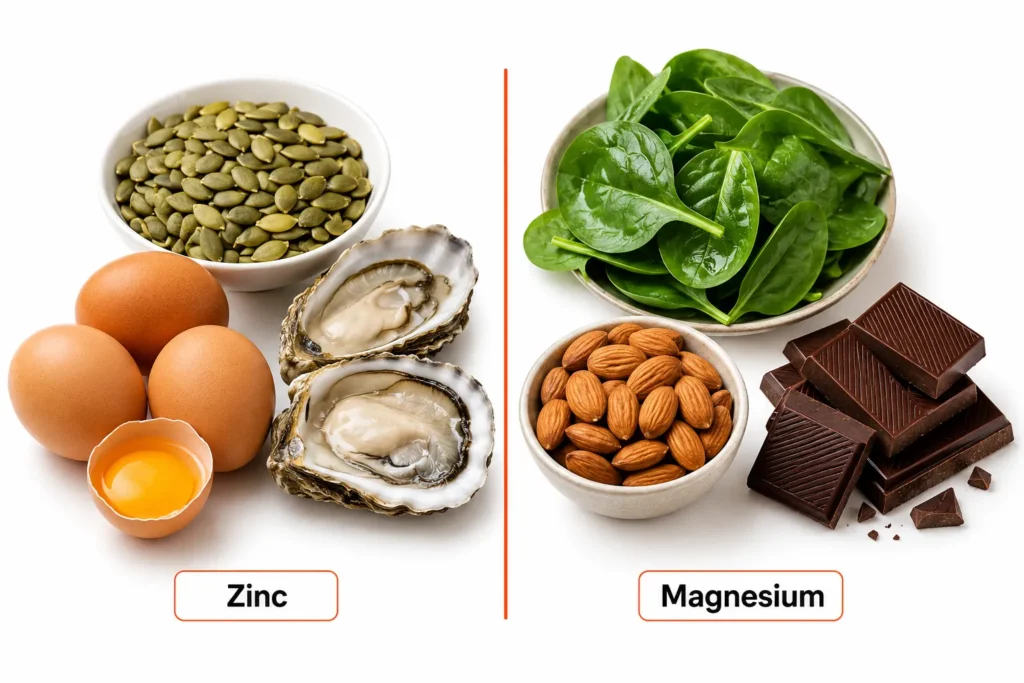
| Best food sources | Pumpkin seeds, spinach, almonds, dark chocolate | Pumpkin seeds, meat, shellfish, legumes |
| Bioavailability (plant sources) | 30 to 40% | 15 to 25% |
| Bioavailability (animal sources) | 35 to 45% | 40 to 50% |
| Primary fitness benefit | Energy, sleep, muscle relaxation, cramp prevention | Testosterone, immune function, protein synthesis |
| Deficiency prevalence in India | High — up to 48% below RDA | Moderate-High — 25% at risk |
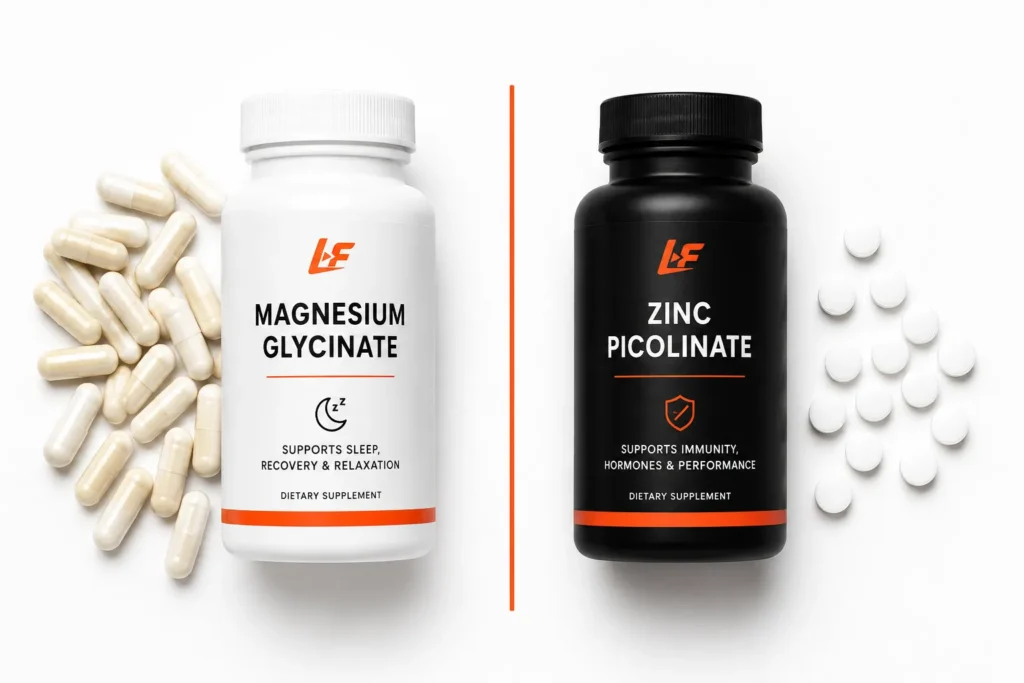
| Best supplement form | Glycinate (highest absorption, least GI side effects) | Picolinate or citrate (better than oxide) |
| Competes with | Calcium at high doses | Copper — depletes with doses above 40mg/day |
| Safe supplemental upper limit | 350mg/day from supplements | 40mg/day from supplements |
| Best for | Sleep, stress, cramps, energy, recovery | Testosterone, immunity, wound healing, skin |
| Verdict | Priority for most active Indian adults | Priority for vegetarians and men with hormonal concerns |
Absorption, Timing, and Bioavailability — What Actually Gets Into Your Body
The form of the supplement matters as much as the dose, and this is where most people go wrong with both minerals.
For magnesium, the form hierarchy is clear. Magnesium glycinate has the highest bioavailability and produces the fewest digestive side effects. Magnesium oxide, the cheapest and most widely sold form in Indian pharmacies, has a bioavailability of approximately 4%. That is not a meaningful dose regardless of what the label says. Magnesium citrate absorbs at around 30% and has a mild laxative effect useful if constipation is also a concern.
For zinc, zinc picolinate and zinc citrate absorb better than zinc oxide or zinc sulfate. Zinc gluconate, found in common Indian cold lozenges, is adequately absorbed for short-term use. Zinc from pumpkin seeds (kaddu ke beej) is one of the better plant-based sources and is affordable across India at Rs. 50 to 100 per 100g.
Timing recommendation: Take magnesium at night. Its GABA-activating and parasympathetic effects align with the body’s natural nighttime recovery processes. Take zinc with a small amount of food earlier in the day to reduce nausea, but not alongside a large calcium-rich meal as calcium competes for absorption.
Do not take both in large doses simultaneously. They share absorptive transporters in the gut, and high doses of one reduce uptake of the other. Spacing them by 2 to 4 hours is the cleaner practical approach.
What the Research Actually Shows About Both Minerals
The most comprehensive data on magnesium status comes from an analysis published in Nutrients (2018) which found suboptimal magnesium intake in 45 to 48% of the adult population studied — a number that translates conservatively to Indian adults given comparable dietary patterns.
For zinc, a systematic review published in the British Journal of Nutrition (2012) estimated that 17.3% of the global population is at risk for zinc deficiency based on dietary data, with South and Southeast Asia having the highest regional risk at approximately 30%.
“Zinc deficiency is one of the most common micronutrient deficiencies in South Asia, driven primarily by the high phytate content of predominantly plant-based diets.” — Brown KH, International Zinc Nutrition Consultative Group
The honest reality check on both: supplementing either mineral only genuinely helps if there is a real deficiency. Magnesium improving sleep has excellent evidence in people who are low. A person with adequate magnesium taking 400mg daily is unlikely to notice a dramatic difference. Same for zinc and testosterone — the effect is specific to deficient individuals. The research is clear on this and worth internalising before spending money on supplements that your diet is already covering.
Side Effects and Practical Concerns for Indian Readers
Magnesium at standard doses (200 to 400mg daily of glycinate) is well-tolerated by most people. The main side effect is loose stools, which is dose-dependent and form-dependent — glycinate produces far less laxative effect than oxide or citrate. People with kidney disease should not supplement without medical guidance, as impaired kidneys cannot regulate magnesium excretion properly.
Zinc above 40mg daily from supplements consistently depletes copper over time. This is not a concern at standard doses (25 to 30mg), but men stacking testosterone-boosting supplements often add zinc at higher doses without knowing this. Long-term copper depletion causes anaemia, joint pain, and neurological issues. If supplementing zinc at higher doses for more than a few months, adding 1 to 2mg elemental copper daily is prudent.
Both minerals are affordable in India. AS-IT-IS and MuscleBlaze sell magnesium glycinate and zinc picolinate at reasonable prices — a month’s supply of either costs between Rs. 300 and 800. There is no need to buy premium international brands for these specific minerals.
Vegetarians should note that soaking and sprouting legumes before cooking reduces phytate content by 30 to 50%, meaningfully improving the absorption of both zinc and magnesium from food sources. This is a free and effective intervention most people overlook.
Who Should Prioritise Which Mineral
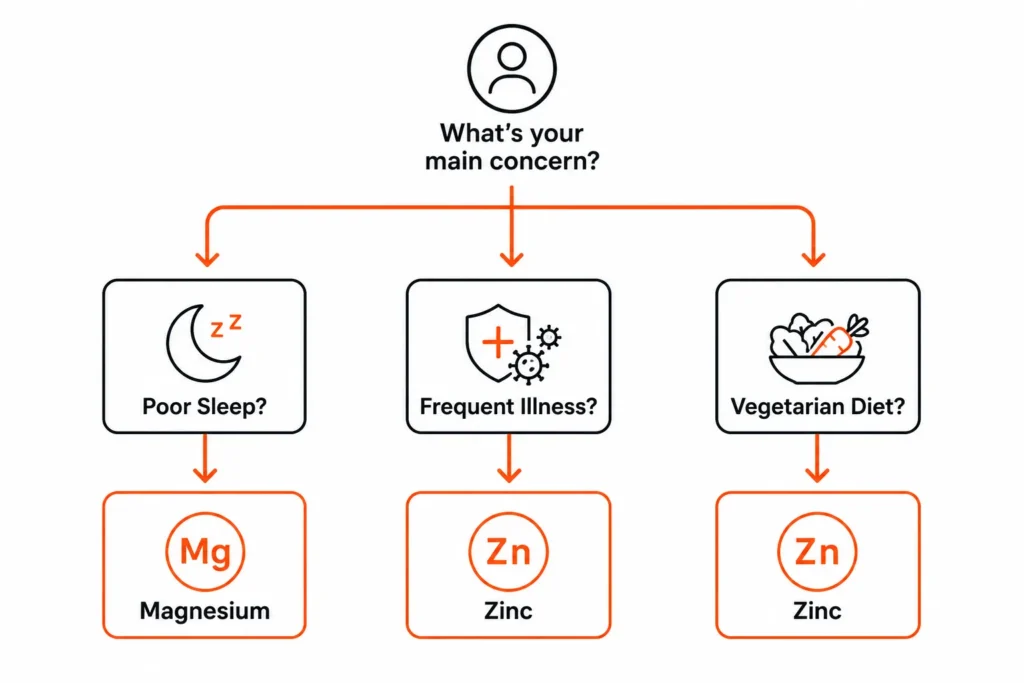
If you train 4 or more days per week and sleep poorly
Start with magnesium. Magnesium glycinate at 300 to 400mg taken 30 to 60 minutes before sleep. Poor sleep directly impairs recovery, hormonal balance, and training capacity, and it is one of the most magnesium-sensitive symptoms. Give it 4 to 6 weeks before assessing. Most people notice improvement in sleep quality within 2 to 3 weeks of consistent dosing.
If you are a vegetarian or vegan training seriously
Zinc is your more urgent gap. Zinc bioavailability from plant sources is 40 to 50% lower than from meat. Soak your legumes. Eat pumpkin seeds daily if possible. Supplement with zinc picolinate at 25 to 30mg daily with food, away from your main legume-heavy meals to minimise phytate competition. If hair fall alongside fatigue is also a concern, our article on why hair fall can be linked to vitamin deficiency covers how zinc deficiency fits into that picture.
If testosterone and hormonal health are your main concern
Prioritise zinc first, then address magnesium as a secondary step. Zinc at 25 to 30mg with food, magnesium at 300mg at night. Both are relevant — zinc for production, magnesium for freeing up active testosterone — but zinc has the more direct mechanistic relationship with testosterone synthesis.
If you are frequently getting sick or recovering slowly from illness
Zinc is the priority. Immune function is zinc-dependent in ways that have no magnesium substitute. Take zinc picolinate at 25mg daily consistently rather than only when you feel a cold coming. Sustained lower-dose daily supplementation is more practical and lower-risk than acute high-dose zinc for most people.
If you are on a tight budget and can only choose one
Choose magnesium glycinate if sleep and stress are your main issues. Choose zinc picolinate if your diet is heavily plant-based and you have not eaten much meat or animal protein in months. If genuinely undecided, magnesium affects more systems simultaneously in most active adults and is the slightly more impactful starting point for the majority of the Indian training population.
If you have muscle cramps, fatigue, and anxiety together
This combination points more clearly toward magnesium than zinc. These are the three most specific overlapping signs of magnesium deficiency. Start with magnesium. Add zinc in a month if fatigue and immune concerns persist after sleep has improved.
Final Verdict
Magnesium vs zinc is not a competition with a universal winner. It is a priority question that depends on what your diet, training, symptoms, and lifestyle are actually showing you.
For the majority of Indian gym-goers eating predominantly plant-based diets and dealing with stress, poor sleep, and muscle fatigue: magnesium first. For vegetarian men with testosterone concerns, slower training progress, and frequent illness: zinc is the more pressing gap to fill.
The smartest approach is to identify your primary symptoms, match them to the mineral, address that deficiency consistently for 6 to 8 weeks, and then assess what remains. Do not throw both at the problem simultaneously from the start — you lose the ability to know what is actually working.
If you are also dealing with other common deficiencies that layer onto these two, our piece on signs of magnesium deficiency most people ignore covers the full symptom picture in detail. And if hormonal health is a driver, the guide on low testosterone in young men covers how both minerals fit into the broader picture of male hormonal optimisation.
Both minerals are inexpensive, safe at standard doses, and genuinely effective when there is a real deficiency to correct. That is a short list in the supplement world. Use them accordingly.
FAQ
Can I take magnesium and zinc together at the same time?
You can, but taking both in large doses simultaneously reduces the absorption of each because they share some of the same transport mechanisms in the intestinal wall. At standard supplemental doses — 300mg magnesium and 25mg zinc — the competition is modest and not a major concern if taken with food. Spacing them 2 to 4 hours apart is the cleaner approach. Take magnesium at night and zinc with a meal earlier in the day for easy habit-based separation.
Which is better for muscle cramps: magnesium or zinc?
Magnesium is significantly more effective for muscle cramps than zinc. Muscle cramps occur when the calcium-magnesium balance in muscle cells is disrupted, causing muscles to stay contracted longer than they should. Magnesium facilitates the relaxation phase of muscle contraction. Zinc does not have a meaningful direct role in this process. If nighttime leg cramps are your primary symptom, magnesium glycinate at 300 to 400mg before sleep is the relevant intervention, not zinc.
Does zinc actually boost testosterone or is that just marketing?
Zinc’s effect on testosterone is real, but specific to people who are actually deficient. A 1996 study by Prasad et al. in the journal Nutrition demonstrated that zinc-deficient men had significantly lower testosterone, and supplementation restored it toward normal. This is not a general testosterone enhancement available to anyone who takes zinc. If your zinc status is already adequate, supplementing more will not raise your testosterone meaningfully. The benefit is specific to correcting a genuine deficiency, not a universal performance upgrade.
I eat dal and roti every day. Am I getting enough magnesium and zinc?
Possibly, but with significant caveats. Dal and whole grain roti both contain magnesium and zinc, but phytic acid in legumes and whole grains binds to both minerals in the gut, reducing how much you actually absorb. Zinc absorption from legume-based diets is 40 to 50% lower than from meat-based diets. Soaking and cooking dal reduces phytate by 30 to 50%, which meaningfully improves absorption. If you also drink chai heavily with meals, tannins further reduce mineral absorption. A dal-roti diet is not automatically sufficient for either mineral.
What are the signs I need zinc more than magnesium?
Signs pointing more specifically toward zinc deficiency include: frequent colds and slow recovery from illness, poor wound healing, white spots under fingernails (a common but imprecise indicator), reduced sense of taste or smell, and in men, reduced libido and declining gym progress despite consistent training and adequate protein. If sleep is your primary problem and cramps and anxiety feature prominently, that profile points more toward magnesium. If immunity and hormone-related symptoms dominate, that is the zinc picture.
Is ZMA worth buying or should I just get magnesium and zinc separately?
ZMA (Zinc, Magnesium, and Vitamin B6 combined) makes nutritional sense as a combination. B6 improves intracellular magnesium uptake, and zinc and magnesium address complementary deficiencies. The problem is that most ZMA products use magnesium aspartate and zinc aspartate, which are not the best-absorbed forms of either mineral. Magnesium glycinate and zinc picolinate purchased separately typically offer better bioavailability for a similar or lower combined cost in India. ZMA is not a bad product, but it is not the most efficient way to address either deficiency.
Now Pick One and Be Consistent
The mistake most people make after reading a comparison like this is buying both supplements, taking them together, and then not being sure which one is doing something. Pick the mineral that most clearly maps to your primary symptoms. Take it for 6 to 8 weeks. Then decide what to add.
If you have been taking magnesium or zinc for a while and noticed a real change — better sleep, fewer cramps, stronger immune response, more consistent gym energy — share it in the comments below. What changed? How long did it take? What form were you taking? Real-world data from people training and eating in Indian conditions matters more here than most controlled trial settings.
Sources and References
- Volpe SL. Magnesium in disease prevention and overall health. Advances in Nutrition. 2013;4(3):378S-383S. https://pubmed.ncbi.nlm.nih.gov/23674807/
- Prasad AS, Mantzoros CS, Beck FW, Hess JW, Brewer GJ. Zinc status and serum testosterone levels of healthy adults. Nutrition. 1996;12(5):344-348. https://pubmed.ncbi.nlm.nih.gov/8875519/
- Cinar V, Polat Y, Baltaci AK, Mogulkoc R. Effects of magnesium supplementation on testosterone levels of athletes and sedentary subjects at rest and after exhaustion. Biological Trace Element Research. 2011;140(1):18-23. https://pubmed.ncbi.nlm.nih.gov/20446777/
- Hamano T, Yama K, Kanda F, et al. Effect of zinc supplementation on sleep quality. Journal of Nutritional Science and Vitaminology. 2011;57(1):16-23. https://pubmed.ncbi.nlm.nih.gov/22081561/
- Razzaque MS. Magnesium: Are we consuming enough? Nutrients. 2018;10(12):1863. https://www.mdpi.com/2072-6643/10/12/1863
- Wessells KR, Singh GM, Brown KH. Estimating the global prevalence of inadequate zinc intake from national food balance sheet data. British Journal of Nutrition. 2012;108(7):1288-1296. https://pubmed.ncbi.nlm.nih.gov/25902526/
- Maret W, Sandstead HH. Zinc requirements and the risks and benefits of zinc supplementation. Journal of Trace Elements in Medicine and Biology. 2006;20(1):3-18. https://pubmed.ncbi.nlm.nih.gov/16632171/
- National Institutes of Health Office of Dietary Supplements. Magnesium — Fact Sheet for Health Professionals. Updated 2022. https://ods.od.nih.gov/factsheets/Magnesium-HealthProfessional/
- National Institutes of Health Office of Dietary Supplements. Zinc — Fact Sheet for Health Professionals. Updated 2022. https://ods.od.nih.gov/factsheets/Zinc-HealthProfessional/
- Schwalfenberg GK, Genuis SJ. The importance of magnesium in clinical healthcare. Scientifica. 2017;2017:4179326. https://pubmed.ncbi.nlm.nih.gov/2