Ozempic for Weight Loss: Does It Work + Side Effects (2026 Guide)
Ozempic side effects range from mild nausea to thyroid tumors. Before using this drug for weight loss, understand the real risks and rewards.
Introduction: The Drug Everyone Wants
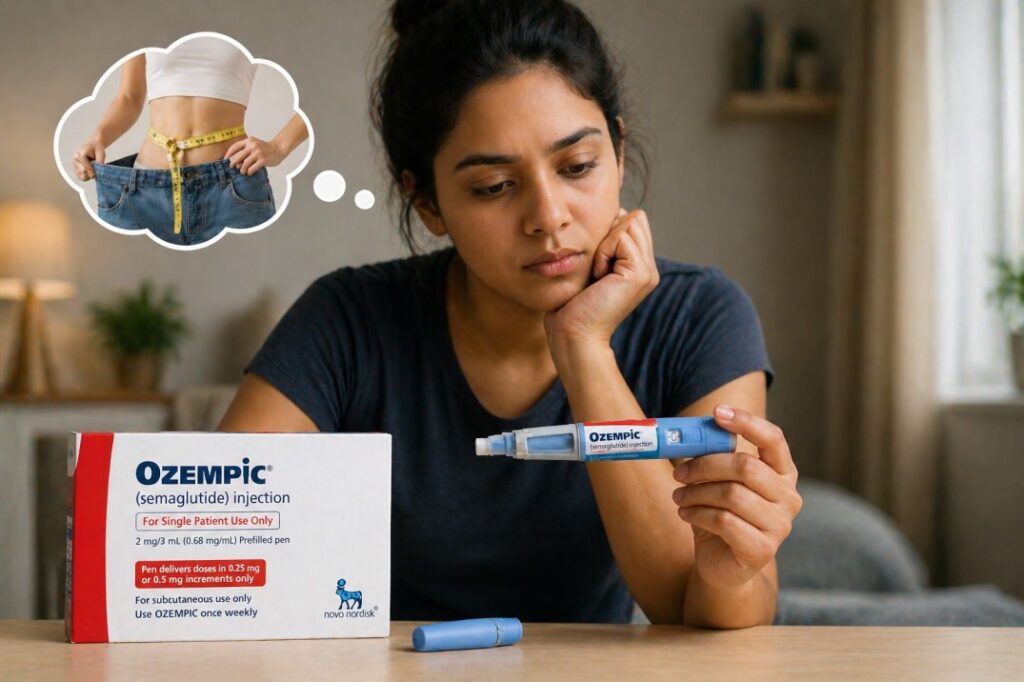
Walk into any upscale clinic in Mumbai or Delhi, and you will hear the same whispered question: “Can you prescribe me Ozempic?”
Not for diabetes. For weight loss.
The drug has achieved cult status. Celebrities credit it for dramatic transformations. Social media is flooded with before-and-after photos. And pharmaceutical giant Novo Nordisk is racing to meet demand, even launching an Ozempic pill for children with Type 2 diabetes expected in 2026.
But beneath the hype lies a troubling question: Is this a genuine medical breakthrough, or are we witnessing a mass experiment with a powerful drug?
The ozempic side effects are more significant—and more dangerous—than most users realize. Before you inject yourself with what TikTok calls the “miracle shot,” you need to understand what this drug actually does to your body.
Part 1: What Actually Is Ozempic?
The Short Answer
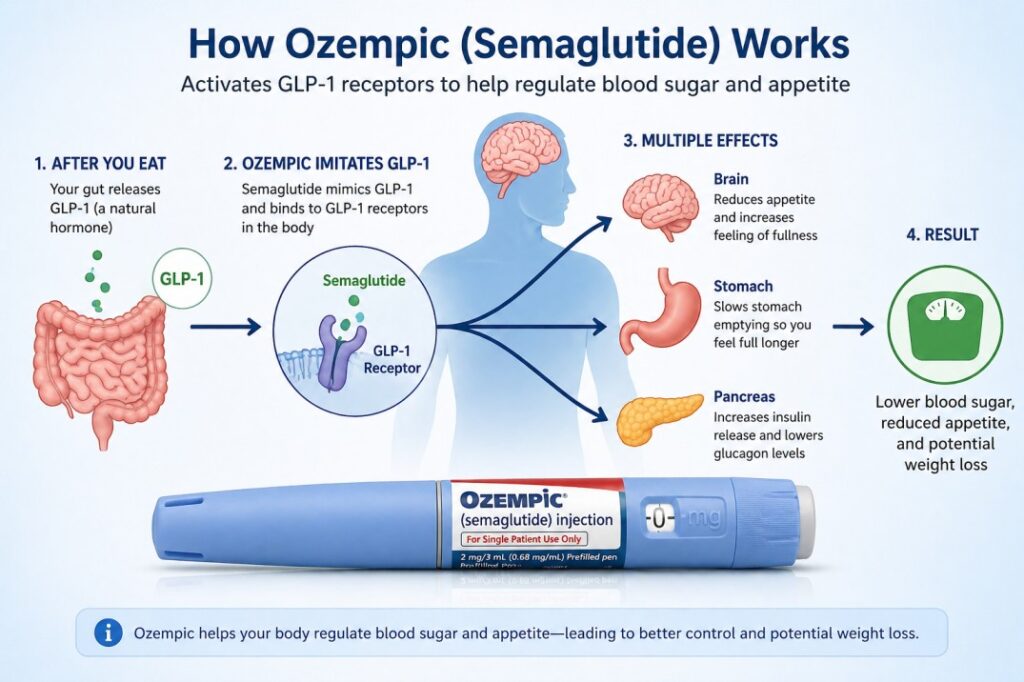
Ozempic is the brand name for semaglutide, a drug originally approved for Type 2 diabetes. It belongs to a class called GLP-1 receptor agonists. Here is what that means in plain English:
When you eat, your gut naturally releases a hormone called GLP-1. This hormone tells your pancreas to release insulin, tells your stomach to empty slowly, and tells your brain that you are full.
Semaglutide is a synthetic, super-powered version of that hormone. It stays in your body much longer than your natural GLP-1, amplifying the “fullness” signal dramatically.
The Weight Loss Version
Novo Nordisk markets the same molecule under two names:
- Ozempic – Approved for Type 2 diabetes
- Wegovy – Approved specifically for weight management
The difference is mainly dosage and branding. The active ingredient is identical.
Part 2: The Numbers That Made Everyone Obsessed
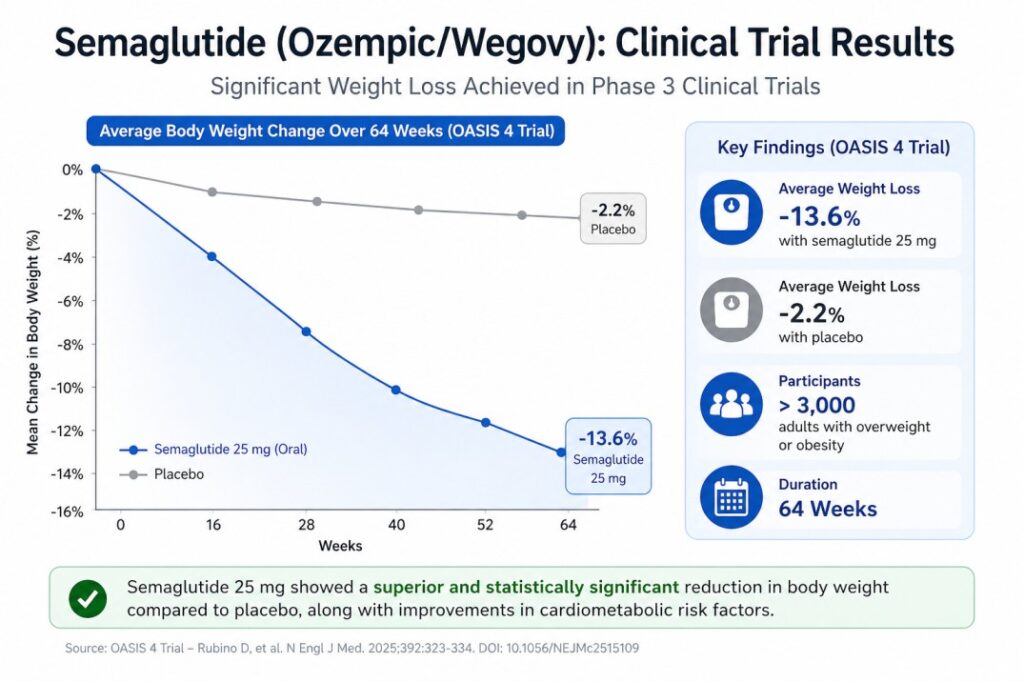
Let us look at the clinical trial data, because the results are genuinely impressive.
In the OASIS 4 phase 3 trial, published in The New England Journal of Medicine, participants taking oral semaglutide 25 mg lost an average of 13.6% of their body weight over 64 weeks. The placebo group lost just 2.2%.
Other trials have shown even more dramatic results. A 72-week study found that injectable semaglutide produced average weight loss of 13.7%.
The drug also showed significant improvements in cardiovascular risk factors—lower blood pressure, reduced inflammation markers (C-reactive protein), and improved triglyceride levels. For people with genuine obesity-related health conditions, these are meaningful medical benefits.
Dr. Domenica Rubino, an investigator in the OASIS 4 trial, noted: “Clear improvements in glycemic parameters and CV risk factors were observed in patients taking oral semaglutide, regardless of how much weight was lost.”
Part 3: The Side Effects Nobody Warns You About
This is where the fairy tale ends.
The Boxed Warning: Thyroid Tumors
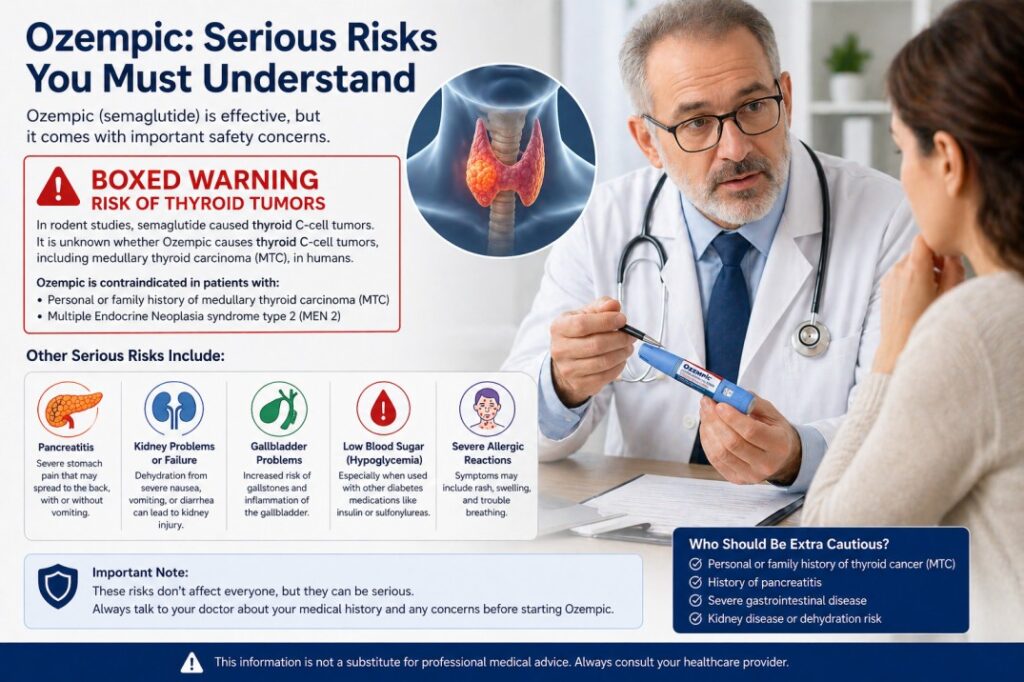
Here is the first thing you need to know. The official FDA prescribing information for Ozempic contains a BOXED WARNING—the strongest safety warning the FDA issues.
It states: “In rodents, semaglutide causes thyroid C-cell tumors. It is unknown whether Ozempic causes thyroid C-cell tumors, including medullary thyroid carcinoma (MTC), in humans.”
The drug is contraindicated (meaning: absolutely should not be used) in anyone with a personal or family history of medullary thyroid carcinoma or MEN-2 syndrome.
This is not a theoretical risk. Rodent studies showed dose-dependent, treatment-duration-dependent increases in thyroid tumors at clinically relevant exposure levels.
The Gastrointestinal Nightmare
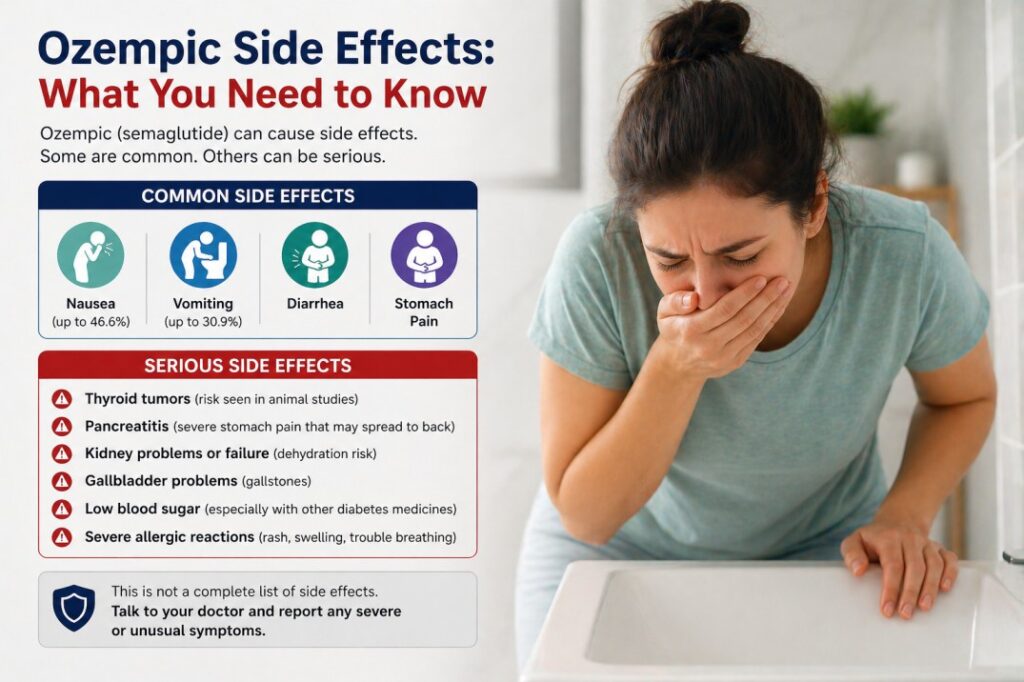
The most common ozempic side effects are gastrointestinal—and they are not minor.
According to the OASIS 4 trial data:
- 74.0% of semaglutide users experienced gastrointestinal adverse events
- 46.6% reported nausea
- 30.9% experienced vomiting
- Placebo group had only 42.2% GI events
An analysis of social media posts about weight loss medications found that gastrointestinal issues were the most commonly mentioned adverse event across all GLP-1 drugs.
One patient described it to a reporter: “I was vomiting multiple times a day. I couldn’t keep food down. I lost weight, sure—because I couldn’t eat anything.”
Serious Adverse Events Requiring Hospitalization
Data from a 2025 survey of 290 patients taking Ozempic revealed alarming rates of serious complications:
| Adverse Reaction | Frequency (SmPC) | Percentage of Users Reporting |
|---|---|---|
| Nausea | ≥1/10 | 42.5% |
| Gastrointestinal disturbances | ≥1/100 to <1/10 | 39.4% |
| Acute pancreatitis | ≥1/1000 to <1/100 | 10.7% |
| Gallbladder disease | ≥1/100 to <1/10 | 12.8% |
| Increased heart rate | ≥1/1000 to <1/100 | 10.6% |
Acute pancreatitis is a medical emergency. It causes severe abdominal pain, can require hospitalization, and in rare cases, can be fatal. 10.7% of users in this study reported experiencing it.
Gallbladder disease—including gallstones and cholecystitis—affected nearly 13% of users. This often requires surgical removal of the gallbladder.
Diabetic Retinopathy
For patients with diabetes (the actual approved use), the drug carries a risk of diabetic retinopathy complications. In a 2-year cardiovascular outcomes trial, retinopathy complications occurred in 3% of semaglutide users versus 1.8% on placebo—and among those with pre-existing retinopathy, the rates were 8.2% versus 5.2%.
An eye check before starting semaglutide is now strongly recommended, as rapid glucose control can paradoxically worsen existing retinopathy.
Acute Kidney Injury
The FDA has added kidney injury warnings to all GLP-1 drugs. Acute kidney injury due to volume depletion can occur. Severe vomiting and diarrhea can dehydrate you to the point of kidney damage.
Thyroid Cancer in Humans?
Here is the most unsettled question. While the boxed warning states that human relevance is unknown, a 2025 study found that 9.6% of surveyed Ozempic users reported thyroid cancer. This is self-reported data, not a controlled study, but it is deeply concerning.
Cases of medullary thyroid carcinoma (MTC) have been reported in patients taking liraglutide (another GLP-1 drug) in the postmarketing period. The data is insufficient to establish causality—but insufficient to rule it out either.
Other Reported Side Effects
According to clinical guidelines and patient reports, additional ozempic side effects include:
- Hair loss
- Fatigue
- Constipation
- Hypoglycemia (dangerously low blood sugar), especially when combined with other diabetes medications
- Hypersensitivity reactions (anaphylaxis, angioedema)
- Gastroparesis (stomach paralysis)
Part 4: The “Shortcut” Problem
Success Requires Lifelong Commitment
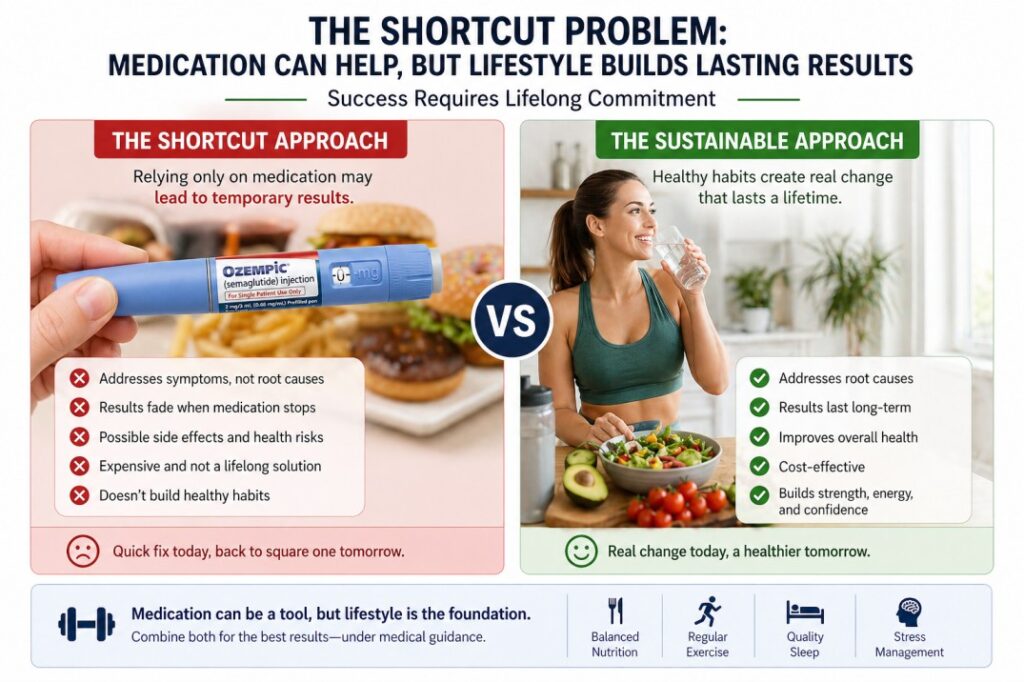
Here is the brutal truth that weight loss clinics do not advertise: Ozempic works only as long as you take it.
Clinical trials show that when patients stop the medication, weight regain is common—often rapid and complete. The drug suppresses appetite by mimicking a hormone. Stop the drug, stop the suppression.
Dr. Mir Ali, Medical Director of MemorialCare Surgical Weight Loss Center, offers this crucial warning:
“These medications are for obesity or patients who are close to obesity with complications like hypertension. They are not for casual weight loss of just a few kilograms.”
The Lifestyle Question
The American College of Cardiology guidelines state that GLP-1 therapies should be initiated alongside lifestyle interventions—not instead of them.
Dr. Jody Dushay of Harvard Medical School argues that framing lifestyle changes as “failing” if they don’t produce dramatic weight loss is misguided. Even modest diet and exercise improvements yield meaningful health benefits in blood pressure, blood sugar, and mental health.
The Pritikin Longevity Center puts it plainly: “Weight loss achieved through medications may be short-lived if lifestyle changes are not implemented. True wellness requires a holistic approach that addresses the root causes of weight gain.”
Part 5: Ozempic vs. Zepbound—A New Contender
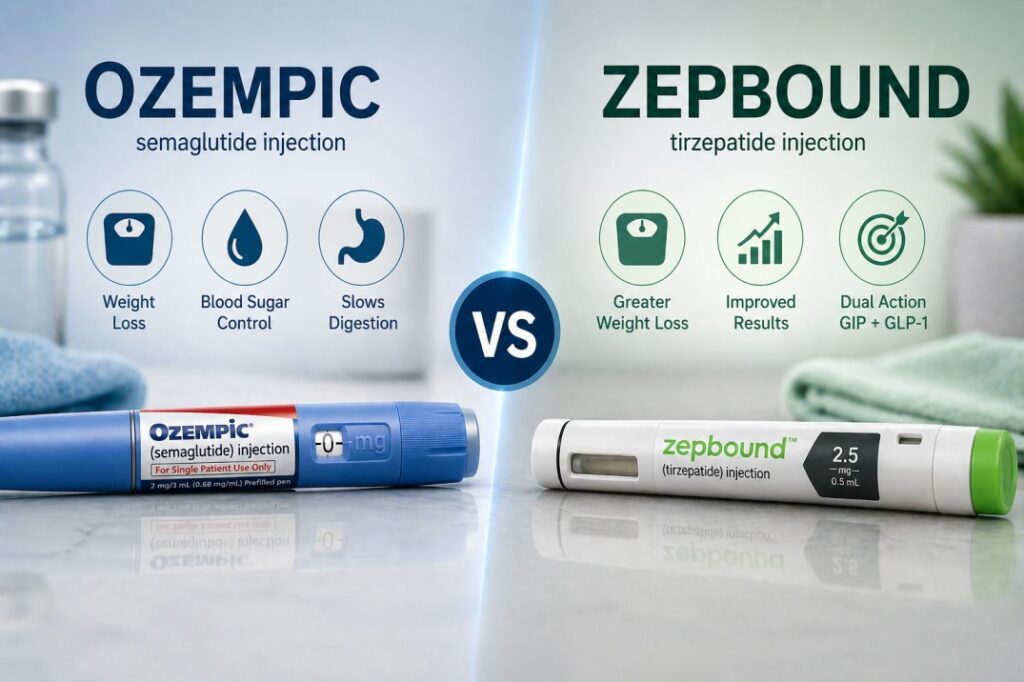
A 72-week study published in The New England Journal of Medicine compared semaglutide (Ozempic/Wegovy) with tirzepatide (Zepbound/Mounjaro), a newer drug that targets both GLP-1 and GIP receptors.
Results:
- Tirzepatide (Zepbound): 20.2% average weight loss
- Semaglutide (Ozempic): 13.7% average weight loss
Zepbound works through two pathways, which may explain its superior efficacy. However, it carries similar—and potentially amplified—side effect risks because it is a more powerful drug.
Comparison Table: Ozempic for Weight Loss
| Factor | What You Need to Know |
|---|---|
| Average Weight Loss | 13.7% to 20.2% depending on formulation |
| Most Common Side Effects | Nausea (46.6%), vomiting (30.9%), diarrhea, constipation |
| Serious Risks | Pancreatitis (10.7%), gallbladder disease (12.8%), thyroid tumor risk (boxed warning) |
| Duration of Use | Long-term/lifespan for sustained effect |
| Cost | High (often not covered by insurance for weight loss alone) |
| Lifestyle Requirement | Must be combined with diet and exercise for best results |
| FDA Approval | For diabetes (Ozempic) and obesity (Wegovy)—not for cosmetic weight loss |
The Verdict: Miracle or Shortcut?
For whom is it a miracle?
For people with clinically diagnosed obesity (BMI >30) or obesity-related health conditions like hypertension, sleep apnea, or heart disease, GLP-1 medications are a genuine medical breakthrough. The cardiovascular benefits alone—lower blood pressure, reduced inflammation, improved cholesterol—are significant.
These patients have often tried everything. For them, the risk-benefit calculation favors the drug.
For whom is it a risky shortcut?
For someone who wants to lose 5-10 kg for a wedding, vacation, or aesthetic reasons? That is a shortcut. And shortcuts have consequences.
Dr. Mir Ali’s warning bears repeating: “These medications are not for casual weight loss of just a few kilograms.”
The ozempic side effects—pancreatitis, gallbladder disease, thyroid tumors, severe GI distress—are not trivial. Rolling the dice on these complications for vanity weight loss is medical gambling.
The Bottom Line
Ozempic is a powerful tool. It is not a miracle and it is not a shortcut. It is a serious medication for serious medical conditions.
If you have obesity and related health problems, talk to a doctor about whether GLP-1 therapy is right for you.
If you simply want to drop a few kilos quickly? The safer path is still the boring one: eat whole foods, prioritize protein, walk daily, and sleep well. It is slower. It is harder. But it doesn’t come with a boxed warning about thyroid tumors.

Other Ways To Reduce Fat
[How to Lose Weight in 30 Days: The Realistic, Science-Backed Plan That Works] (https://leanfuel.in/lose-weight-in-30-days/) – A sustainable 30-day protocol that focuses on nutrition and movement rather than pharmaceutical shortcuts.
[High Protein Foods for Fat Loss: A Simple Beginner’s Guide That Actually Works] (https://leanfuel.in/high-protein-foods-for-fat-loss-a-simple-beginners-guide-that-actually-works/) – Learn how protein suppresses appetite naturally—without the side effects.
[The Science of Walking for Weight Loss: Why It Beats Running] (https://leanfuel.in/the-science-of-walking-for-weight-loss-why-it-beats-running/) – Low-intensity exercise that supports metabolic health without medication.
Sources & References
The following sources were embedded as hyperlinks throughout this article. They are compiled here for your reference:
- OASIS 4 Trial – Oral Semaglutide (NEJM)
- Tirzepatide vs. Semaglutide SURMOUNT-5 (NEJM)
- Ozempic FDA Prescribing Information (DailyMed/NIH)
- Ozempic Package Insert (Drugs.com)
- GI Risks Across GLP-1 Drugs (Healio/Annals of Internal Medicine)
- Eye Check Before Semaglutide (MDedge/Diabetes & Metabolic Syndrome)
- Kidney Injury Warnings on GLP-1 Drugs (New Atlas)
- Nutritional and Lifestyle Strategies for GLP-1 (American College of Cardiology)
Your Thoughts Matter
Have you considered using Ozempic for weight loss? Or have you already tried it? Share your experience and questions in the comments below.
If you found this breakdown valuable, share it with someone who is considering “the shot.” They deserve to know the full picture—not just the before-and-after photos.
Disclaimer: This article is for informational purposes only and does not constitute medical advice. Always consult a qualified healthcare provider before starting any medication.