Low libido in young Indian men is not rare, not shameful, and almost always traceable to a specific, fixable cause. Sexual desire in men is driven by a precise hormonal and neurological system, and when that system is disrupted, by stress, poor sleep, depression, medication, or lifestyle habits, libido drops predictably.
Most young men who notice this do not talk about it. They assume it is normal, or they blame it on being tired, or they quietly worry something is permanently wrong. Usually, none of those are accurate.
India’s urban male population in their 20s and 30s faces a specific combination of risk factors that makes low libido increasingly common: late-night work culture, chronic sleep debt, high-carbohydrate diets, sedentary desk jobs, rising rates of depression and anxiety, and growing use of antidepressant medications that carry sexual side effects. The problem is real. The causes are understood. And unlike how most Indian men handle it, it deserves a direct conversation.
The Short Answer
- Low testosterone is the most common hormonal cause of low libido in young men, and it is increasingly driven by poor sleep, obesity, and chronic stress rather than age.
- Chronic psychological stress and depression suppress libido through cortisol and dopamine pathways, independent of testosterone levels.
- Poor sleep directly reduces testosterone production, since most testosterone is synthesised during deep sleep stages.
- Antidepressant medications, particularly SSRIs, cause clinically significant loss of sexual desire in an estimated 30 to 50% of users.
- Lifestyle factors including alcohol, recreational drugs, physical inactivity, and nutritional deficiencies all independently suppress libido through overlapping hormonal and neurological mechanisms.
Why Is Low Libido in Young Men Rising in India?
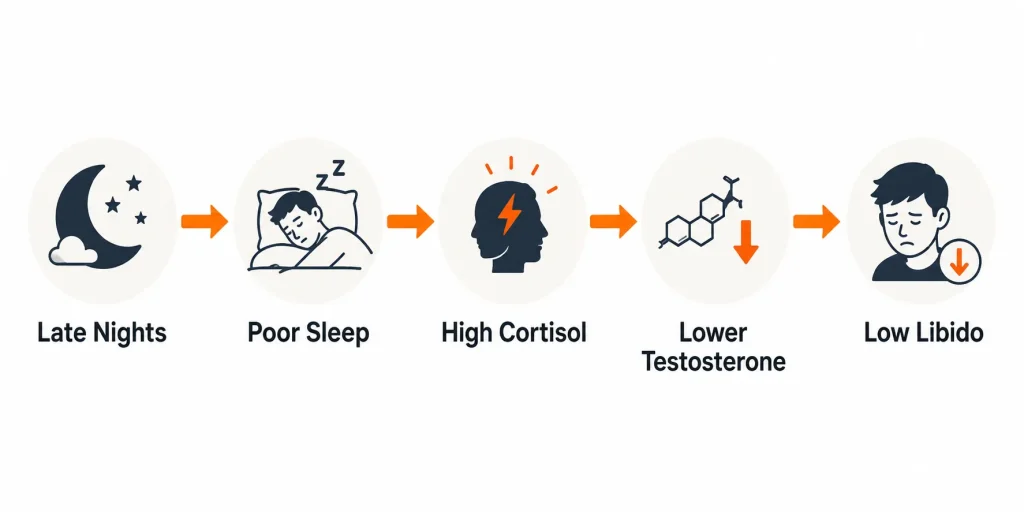
Libido, or sexual desire, is not simply a mood. It is a biological output driven primarily by testosterone, dopamine, and a functional hypothalamic-pituitary-gonadal (HPG) axis. The HPG axis is the hormonal signalling chain that runs from the brain to the testes, producing testosterone and governing sexual motivation. When any part of that chain is disrupted, desire drops.
For young Indian men, the disruption is increasingly coming from lifestyle, not age. A 22-year-old sleeping five hours a night, eating a high-glycaemic diet, working under financial pressure, and spending evenings sedentary is creating the exact internal conditions that suppress the HPG axis. He is not unusual. He describes a large portion of urban India’s male working population.
The connection to low testosterone in young men matters here because testosterone is the primary hormonal driver of libido in men. When testosterone falls below the normal range of approximately 450 to 600 nanograms per decilitre, sexual desire is one of the first things affected, often before energy, mood, or physical performance show obvious changes.
What makes this harder to address in India specifically is the cultural barrier around discussing it. Men who cannot name the problem cannot begin to solve it.
The Major Causes: A Full Breakdown
Low Testosterone: The Hormonal Root Cause
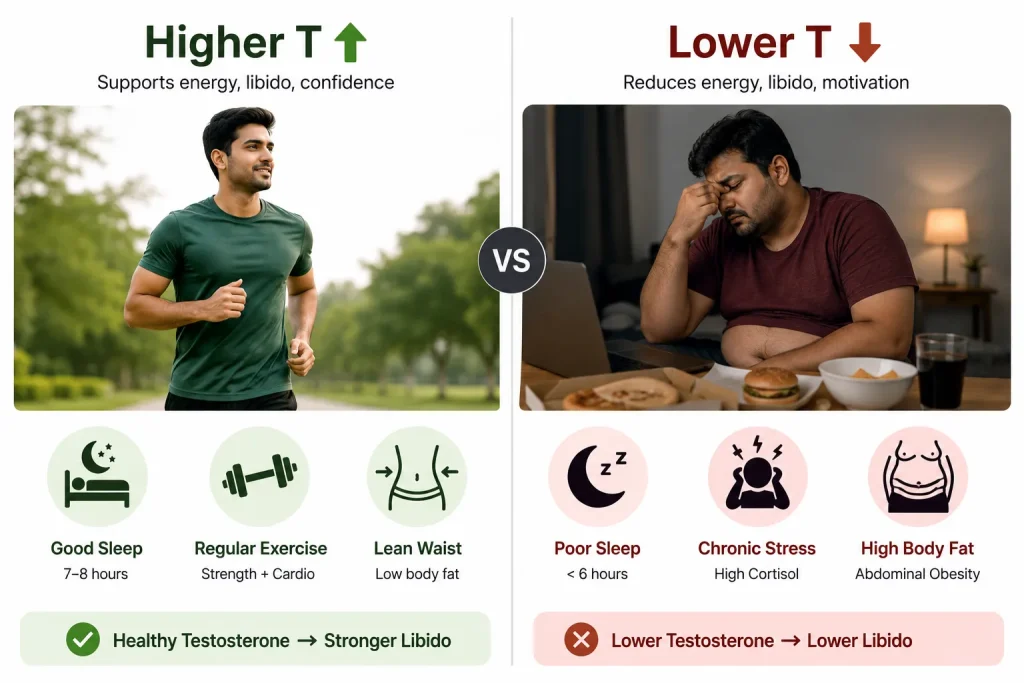
Testosterone is not just a muscle hormone. It is the primary biological driver of sexual desire in men. When it drops, libido drops with it, often before any other symptom becomes obvious.
The normal range for total testosterone is approximately 450 to 600 ng/dL. Levels below 300 ng/dL are generally considered clinically low, though symptoms of reduced libido can appear even in the 300 to 400 ng/dL range in sensitive individuals.
What is increasingly documented is low testosterone in men in their 20s and 30s. The causes in this age group are almost entirely lifestyle-driven. Visceral obesity increases the activity of aromatase, an enzyme found in fat tissue that converts testosterone into oestrogen. The more abdominal fat a man carries, the faster this conversion happens. Chronic psychological stress elevates cortisol, which directly suppresses the HPG axis and reduces testosterone output from the testes. And, as covered in the next section, poor sleep by itself can significantly reduce testosterone production.
The Indian diet adds another layer. Both zinc and magnesium are directly involved in testosterone synthesis, and Indian diets, particularly vegetarian ones, are frequently low in bioavailable zinc. Deficiency in either mineral does not cause catastrophic testosterone loss, but it adds to a cumulative suppression that compounds the lifestyle factors above.
Verdict: A blood test is the only way to know. If libido is consistently low and energy and mood have also declined, total testosterone, free testosterone, and LH (luteinising hormone) should be the first tests requested.
Chronic Stress and the Cortisol-Testosterone Conflict
Cortisol and testosterone are, in practical terms, opposing hormones. When cortisol rises, testosterone falls. This is not a coincidence. It is a well-established biological priority system: the body suppresses reproduction when it perceives sustained threat. Under chronic stress, the body remains in a low-grade fight-or-flight state, and libido is one of the first non-essential functions to be suppressed.
Cortisol also interferes with dopamine, the neurotransmitter most directly responsible for motivation and anticipatory desire. Low dopamine activity means reduced reward-seeking behaviour, including reduced interest in sex. This is why men under sustained pressure often describe a general flatness, not just a lack of sexual interest, but a reduced drive for most pleasurable activities.
For young Indian men navigating career pressure, family expectations, financial strain, or relationship stress, this cortisol-libido mechanism is operating continuously. It does not require a diagnosed anxiety disorder to suppress desire. Sustained background stress is sufficient.
Managing cortisol directly helps. Structured physical activity, adequate sleep, and adaptogenic supplementation have all shown cortisol-reducing effects in research. The evidence on ashwagandha’s withanolides specifically includes cortisol reduction and testosterone support in chronically stressed men, making it one of the more relevant supplements for this presentation.
Verdict: If low libido arrived alongside a period of sustained stress, career change, or relationship difficulty, the cortisol axis is almost certainly involved. Addressing the stressor, not just the symptom, is the correct starting point.
Depression: The Most Underdiagnosed Cause in Indian Men
Depression reduces libido through two simultaneous mechanisms. First, it suppresses dopamine and serotonin activity in the brain’s reward system, which directly reduces desire and motivation. Second, in men, depression is associated with measurable reductions in testosterone. An Indian study published in PMC found a direct correlation between increasing depression severity and decreasing libido in Indian male patients, with sexual desire affected across all levels of depression severity.
The problem in the Indian context is that depression in men is systematically under-recognised. Men are less likely to report emotional symptoms and more likely to present with physical complaints, fatigue, poor sleep, or irritability, none of which immediately suggest depression to either the patient or the doctor.
A man who describes losing interest in sex but does not connect it to low mood may go years without a correct diagnosis. His libido is treated as the problem when it is actually a downstream symptom.
This connection matters for treatment decisions too. If depression is the underlying cause and it goes untreated, no supplement or lifestyle change will fully restore libido. The hormonal and neurochemical suppression from depression is too direct.
Verdict: If low libido accompanies reduced interest in most previously enjoyable activities, persistent low mood, poor concentration, or disrupted sleep, depression warrants serious consideration and a consultation with a mental health professional.
Poor Sleep: The Most Overlooked Hormonal Disruptor
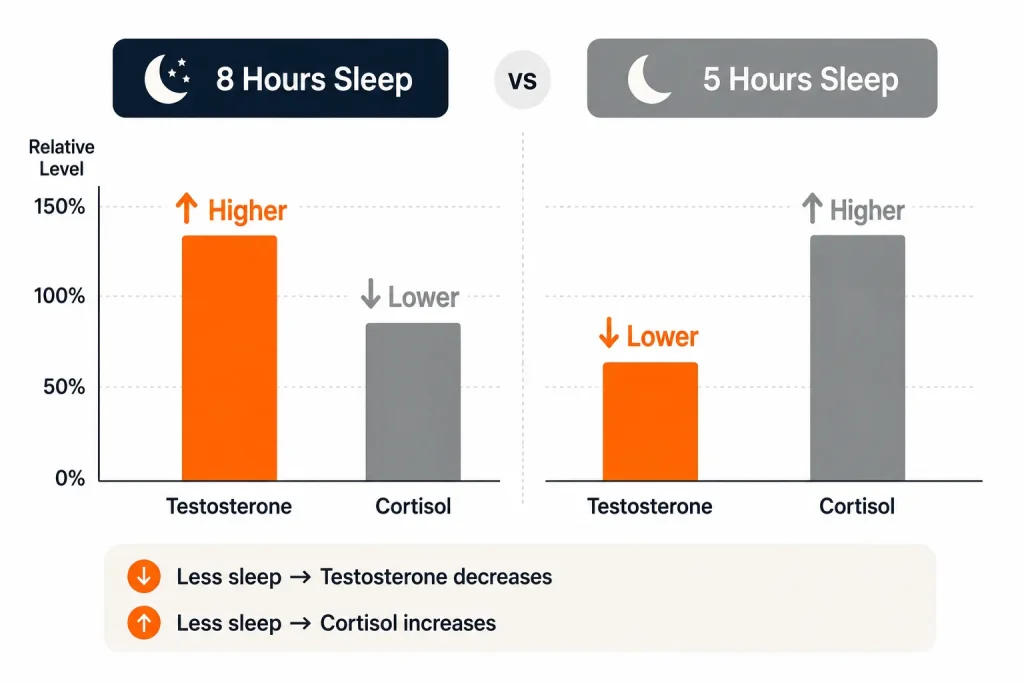
Most testosterone in men is produced during sleep, specifically during slow-wave and REM sleep stages. When sleep is cut short, testosterone production is cut short with it.
A 2020 study published in the journal Sleep (PMC7355405) found that sleep restriction in young men simultaneously decreased testosterone and increased afternoon cortisol, creating a double hormonal disruption: lower anabolic drive and higher catabolic stress response at the same time.
A systematic review and meta-analysis published in PubMed (PMID 34801825) confirmed across 18 studies that sleep deprivation significantly reduces male testosterone levels, with greater duration of sleep loss producing greater hormonal suppression.
For the Indian male population, where sleeping past midnight and waking before 7am is common among working professionals and students, chronic sleep debt is essentially a low-grade testosterone suppression protocol running every night. Six hours of sleep over months does not produce the same hormonal environment as seven to eight hours. The difference is not trivial.
The does lack of sleep cause weight gain article covers the metabolic side of this equation. The hormonal side is equally significant for libido. Poor sleep, elevated cortisol, lower testosterone, and weight gain form a reinforcing loop that compounds over time.
Verdict: If sleep is consistently below seven hours, improving sleep duration is one of the highest-leverage, zero-cost interventions for low libido. It addresses testosterone, cortisol, and dopamine simultaneously.
Antidepressant Medications (SSRIs): A Frequently Hidden Cause
This is the most commonly missed cause in young men who have been prescribed antidepressants for depression or anxiety. SSRIs, the most prescribed class of antidepressants in India, including escitalopram, sertraline, and fluoxetine, suppress libido as a direct pharmacological side effect in an estimated 30 to 50% of users.
A 2024 narrative review in PMC (PMC12433685) confirmed that SSRIs affect all phases of the sexual cycle in men: reducing libido, impairing arousal, causing erectile difficulties, and delaying orgasm. The mechanism involves serotonin’s inhibitory effect on the dopaminergic pathways that drive sexual desire.
An Indian psychiatry study published in PMC (PMC11293284) presented the case of a 25-year-old Indian man who developed significant loss of libido after six months on escitalopram 20mg, with no other contributing factors. This is not an edge case. It is a predictable and well-documented pharmacological effect.
The critical clinical issue is this: depression itself reduces libido. When an SSRI is then prescribed and also reduces libido, it is easy for the medication’s contribution to be invisible, attributed to the depression rather than the drug. Many young Indian men on SSRIs quietly accept the loss of sexual desire as part of their mental health condition without realising the medication is worsening it.
This is not an argument against taking antidepressants. Depression is serious and SSRIs work. But it is an argument for honest, proactive discussion with a doctor about sexual side effects, which are manageable in most cases through dose adjustment, timing changes, or switching to a different medication class.
Verdict: If low libido began or worsened after starting an antidepressant, the medication is likely a contributing factor. Discuss this directly with your prescribing doctor.
Alcohol, Recreational Drugs, and Physical Inactivity
Alcohol has a dose-dependent suppressive effect on testosterone. One or two drinks occasionally is unlikely to cause measurable hormonal change. But regular heavy drinking, four or more drinks several nights a week, consistently lowers testosterone through liver enzyme disruption and direct testicular suppression. The social drinking culture in urban Indian professional environments makes this more relevant than it used to be.
Cannabis reduces libido through its effect on the endocannabinoid system, which is directly involved in sexual motivation. Frequent cannabis use has been associated with reduced testosterone and decreased sexual desire in multiple studies, though individual responses vary.
Anabolic steroids, used by some gym-going men in India for faster muscle gain, are a particularly severe hormonal disruptor. They shut down the body’s natural testosterone production through negative feedback on the HPG axis. The result, once the external testosterone supply is removed, is a period of significantly low endogenous testosterone, low libido, and sometimes prolonged hormonal recovery.
Physical inactivity compounds all of these effects. Resistance exercise and cardiovascular training both support testosterone production and dopamine activity. A sedentary lifestyle, by contrast, increases visceral fat, reduces testosterone, and suppresses the reward-motivation system that drives desire.
Cause-by-Cause Summary Table
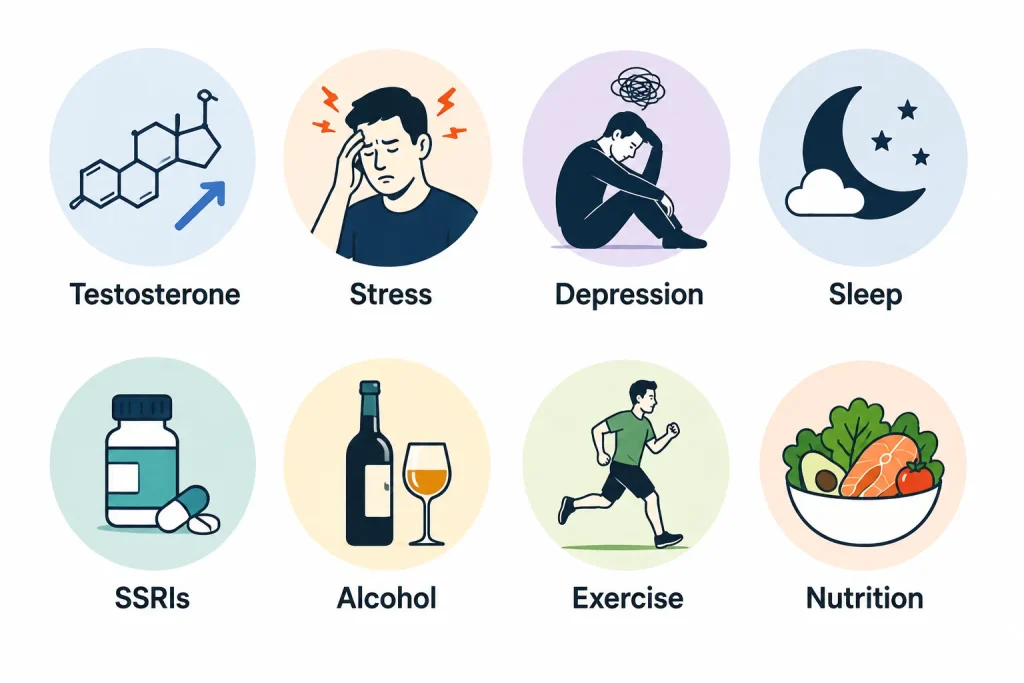
| Cause | Primary Mechanism | Key Signal | Most Affected Group in India | Action |
|---|---|---|---|---|
| Low testosterone | HPG axis suppression, reduced libido signalling | Low desire + low energy + poor gym performance | Overweight, sleep-deprived, stressed men | Blood test: total T, free T, LH |
| Chronic stress | Cortisol suppresses testosterone and dopamine | Low libido during high-pressure periods | Urban professionals, students | Stress management, adaptogens, exercise |
| Depression | Dopamine and serotonin suppression | Low libido + low motivation + low mood | Under-diagnosed across all demographics | Mental health consultation |
| Poor sleep | Reduced testosterone synthesis during sleep | Low libido + fatigue + brain fog | Late-night workers, students | Prioritise 7-8 hours consistently |
| SSRI medication | Serotonin suppresses dopaminergic desire | Low libido after starting antidepressant | Men on escitalopram, sertraline, fluoxetine | Discuss with prescribing doctor |
| Alcohol and drugs | Direct testosterone suppression, CNS effects | Low libido with regular heavy use | Urban drinking culture, gym-drug users | Reduce or eliminate |
| Physical inactivity | Visceral fat, low testosterone, low dopamine | Low libido + weight gain + low stamina | Desk workers, sedentary lifestyle | Structured exercise 3-5x per week |
| Nutritional deficiency | Low zinc, low magnesium, low Vitamin D | Low libido + fatigue + muscle weakness | Vegetarians, those avoiding sun | Dietary correction, targeted supplementation |
How Libido Is Produced in the Body (And Where It Breaks Down)
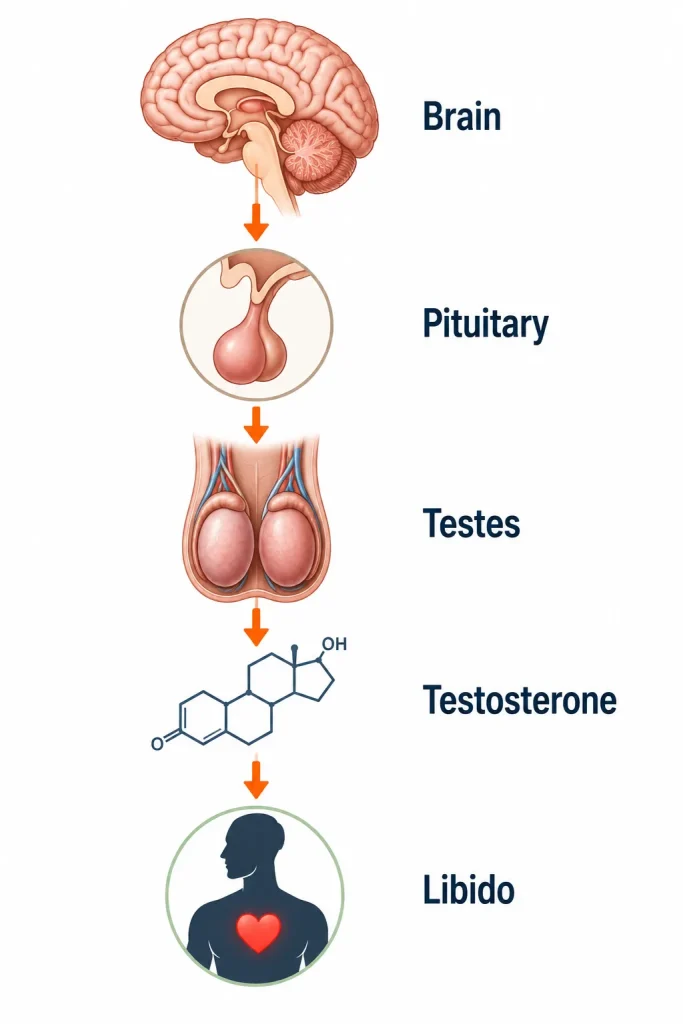
Sexual desire is not a single event. It begins in the hypothalamus, a region of the brain that releases gonadotropin-releasing hormone (GnRH), which signals the pituitary gland to release luteinising hormone (LH). LH then signals the testes to produce testosterone. Testosterone circulates to the brain and amplifies the arousal response, completing the loop.
Dopamine is the neurotransmitter that makes this feel motivating. Without adequate dopamine activity, testosterone can be present but desire remains muted. This is why men with depression, where dopamine activity is low, report low libido even when testosterone levels are technically in the normal range.
Prolactin is worth mentioning here. Elevated prolactin, a hormone that can rise due to stress, certain medications, or a benign pituitary tumour called a prolactinoma, is a direct suppressor of sexual desire in men. It is frequently overlooked in libido workups and warrants measurement when other causes have been ruled out.
Nutritional gaps feed into this system at multiple points. Vitamin D deficiency, which affects an estimated 70 to 90% of urban Indians due to indoor lifestyles and skin-tone-related reduced synthesis, has been associated with lower testosterone in multiple studies. Zinc is a cofactor in testosterone synthesis. Magnesium supports sleep quality and testosterone production simultaneously.
The practical implication: before assuming a single cause, the hormonal picture is worth checking properly, because several of these factors often coexist.
What the Research Shows
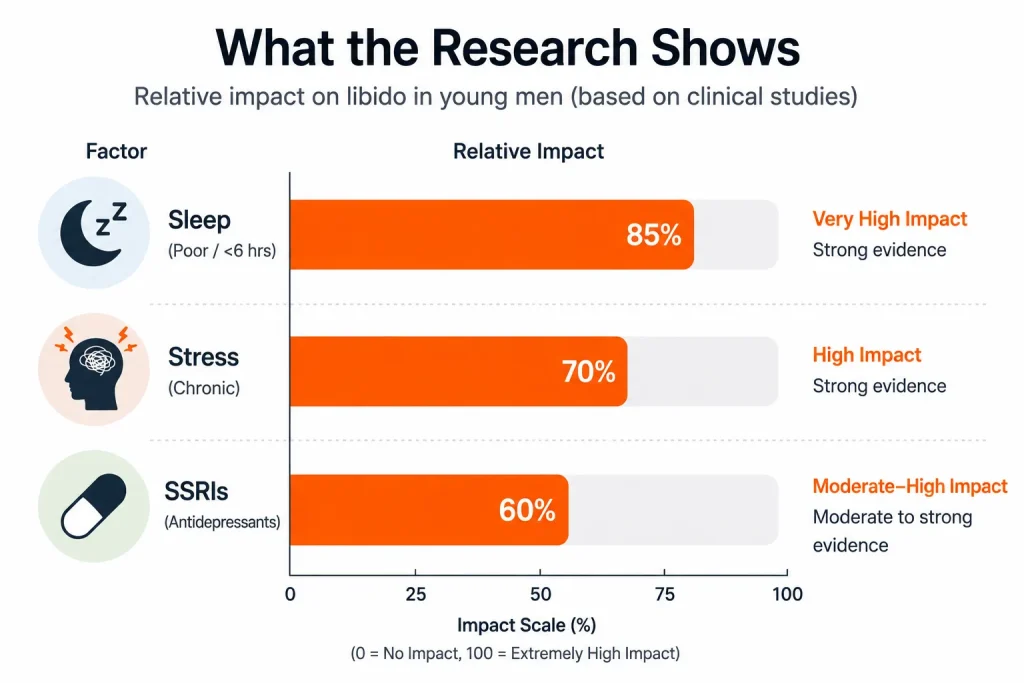
A 2020 study published in Sleep and available via PMC (PMC7355405) found that in young men, sleep restriction decreases testosterone and increases afternoon cortisol, creating an anabolic-catabolic imbalance with direct reproductive consequences. The researchers noted this combination could plausibly contribute to metabolic and reproductive disease when accumulated over years.
An Indian study published in PMC (PMC6278224) evaluated sexual dysfunction in depressed Indian male patients and found that as depression severity increased, libido decreased measurably across all patient groups. The study also found that treatment with SSRIs, while improving depression, introduced or worsened sexual side effects, a pattern consistent with global research.
A 2024 review in PMC (PMC12433685) confirmed that SSRI-induced sexual dysfunction, including low libido, affects an estimated 30 to 50% of users and is frequently underreported because patients are embarrassed to raise it or assume it is part of their depression.
The honest reality check: most young Indian men experiencing low libido will never have a blood test, never discuss it with a doctor, and never identify the specific cause. They will either dismiss it or self-treat with supplements that address none of the actual mechanisms. The gap between what is knowable and what men actually do about it is almost entirely a function of stigma, not knowledge.
“Sleep restriction imbalances cortisol and testosterone and induces insulin resistance.” — Liu & Reddy, Reviews in Endocrine and Metabolic Disorders, PMC9485038
Side Effects and What to Watch Out For
Two things are worth stating directly here.
First, low libido in a young man is not just a sexual inconvenience. It is frequently a signal of a broader hormonal or psychological disruption. Persistently low libido alongside fatigue, poor gym recovery, low mood, or sleep difficulty points toward systemic hormonal dysregulation that deserves investigation, not dismissal.
Second, self-treating with testosterone boosters or supplements without understanding the cause is almost always a waste of money and occasionally a risk. Supplements like shilajit and ashwagandha have genuine evidence for specific mechanisms, but they are not effective against SSRI-induced libido suppression, prolactinoma, or clinical depression. Matching the intervention to the cause matters.
If you are experiencing fatigue, difficulty concentrating, or mood changes alongside low libido, checking for early signs of nutrient deficiency is a reasonable first step, since zinc, magnesium, and vitamin D deficiencies all intersect with the hormonal system driving libido.
Men on antidepressants specifically should be aware that sexual side effects from SSRIs are pharmacologically predictable, not a personal failing, and that options exist for managing them without stopping medication. Raising this with a doctor is not an unreasonable request.
Who Should Do What: A Practical Guide
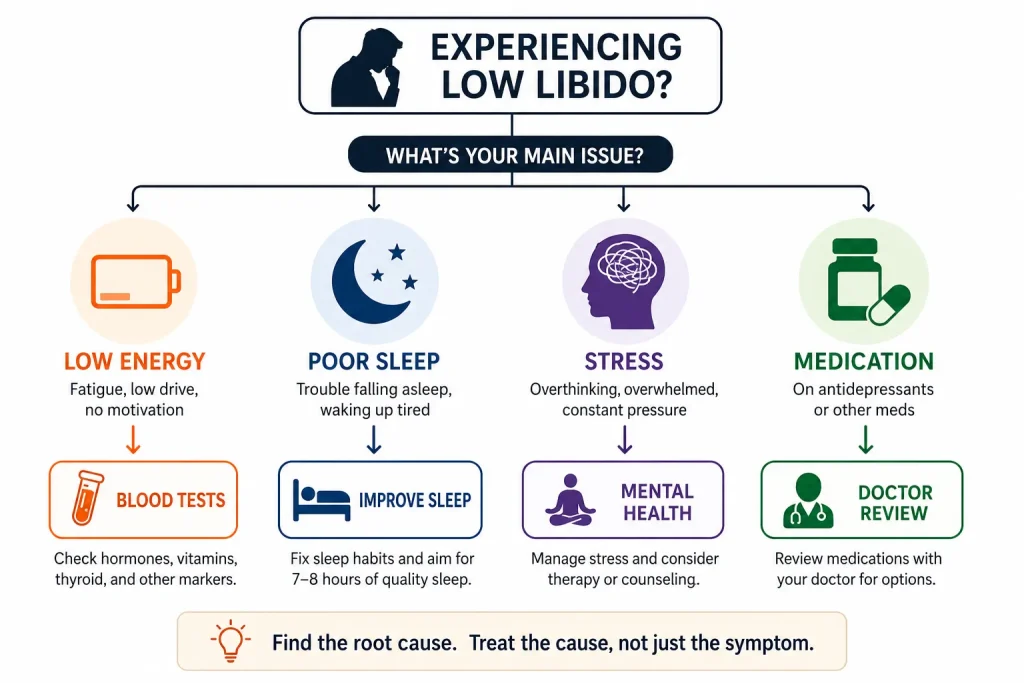
If You Suspect a Hormonal Cause
Get blood work done. At minimum: total testosterone, free testosterone, LH, FSH, prolactin, TSH, and Vitamin D. This set of tests costs around Rs. 1,500 to 2,500 in most Indian cities at diagnostic chains like SRL or Thyrocare. Without numbers, you are guessing.
If testosterone is low-normal and lifestyle factors are present, prioritise sleep to seven to eight hours, reduce visceral fat through structured exercise, and address zinc and magnesium through diet or supplementation before reaching for more expensive interventions.
The does shilajit actually boost testosterone article is worth reading here for an honest assessment of what adaptogens can and cannot do for hormonal libido suppression.
If Stress and Mental Health Are the Likely Drivers
Treating low libido without treating the underlying stress or depression is working backwards. The libido will not reliably return until the cortisol load or depressive state improves.
Structured aerobic exercise three to five times per week has strong evidence for reducing cortisol, improving dopamine activity, and supporting testosterone. It is also one of the few interventions that addresses all three simultaneously. Our guide on exercises for heart health that improve cardio naturally is a practical starting point, since cardiovascular fitness and hormonal health share the same exercise foundations.
If depression is suspected, a consultation with a psychiatrist or psychologist is the correct next step, not a supplement.
If You Are on an Antidepressant
Speak to your prescribing doctor. This is not optional advice. SSRI-induced sexual dysfunction is clinically recognised and manageable. Options include dose reduction, timing adjustments, switching to a different antidepressant class with a lower sexual side-effect profile, or adding a short-term adjunctive treatment.
Do not stop medication without medical guidance. Depression is the greater risk in most cases.
If Lifestyle Factors Are the Primary Driver
This group has the most tractable problem. Consistent sleep, alcohol reduction, regular resistance and cardiovascular exercise, and dietary correction address the majority of lifestyle-driven libido suppression within eight to twelve weeks.
Diet matters more than most men realise in this context. A diet built around refined carbohydrates, minimal protein, and low micronutrient density does not support testosterone synthesis or dopamine health. Increasing protein from quality sources and addressing deficiencies in zinc, magnesium, and vitamin D creates the nutritional floor that the hormonal system needs to function properly.
The Bottom Line
Low libido in young Indian men is not a mystery and it is not inevitable. It is a downstream consequence of identifiable, often correctable causes: low testosterone, chronic stress, depression, poor sleep, medication side effects, and lifestyle habits that suppress the hormonal system quietly over time.
The biggest obstacle is not medical knowledge. It is the unwillingness to name the problem, investigate the cause, and ask for help. That is a cultural problem, not a clinical one.
Find the actual cause. Everything else follows from there.
People Also Ask
Can stress cause low sex drive in young men?
Yes. Chronic stress raises cortisol, which directly suppresses testosterone production through the hypothalamic-pituitary-gonadal axis. It also reduces dopamine activity in the brain’s reward system, which is the primary neurochemical driver of sexual desire and motivation. A man does not need a clinical anxiety disorder for stress to meaningfully suppress libido. Sustained background pressure from work, finances, or relationships is sufficient to produce measurable hormonal changes that reduce sexual desire over weeks to months.
Does low testosterone always mean low libido?
Not always, but very often. Testosterone is the primary hormonal driver of libido in men, and when levels fall significantly below normal, desire is typically one of the first symptoms affected. However, libido can also be suppressed by low dopamine or high cortisol even when testosterone is technically within the normal range. This is why some men have low libido despite normal testosterone on a blood test. The full hormonal picture, including prolactin, thyroid function, and cortisol, matters more than any single number.
Do antidepressants cause low libido in Indian men?
Yes, and this is more common than most patients are told. SSRIs, the most commonly prescribed antidepressants in India, reduce libido in an estimated 30 to 50% of users. The mechanism involves serotonin’s inhibitory effect on the dopamine pathways that drive sexual desire. Because depression itself also reduces libido, the medication’s contribution is frequently invisible. Men who notice a significant further drop in sexual desire after starting an SSRI should discuss this with their doctor, since manageable options exist without having to stop the medication.
What is a normal sex drive for a man in his 20s?
There is no single normal. Sexual desire varies significantly between individuals based on hormones, relationship status, stress levels, and overall health. What matters clinically is a meaningful change from a person’s own baseline. If a man who previously had a consistent sex drive notices a sustained, unexplained drop lasting more than four to six weeks, that warrants investigation regardless of where his absolute level sits. Comparing to a population average is less useful than noticing a change in your own pattern.
Can poor diet cause low libido in young men?
Yes, through several mechanisms. A diet low in zinc impairs testosterone synthesis directly. Low magnesium disrupts sleep quality, which then reduces testosterone production. Vitamin D deficiency, extremely common in urban India, has been associated with lower testosterone in multiple studies. A high-glycaemic diet contributes to insulin resistance and visceral fat accumulation, both of which increase aromatase activity and reduce free testosterone. Diet alone is rarely the sole cause of significant libido suppression, but nutritional deficiencies compound every other risk factor on this list.
Is low libido in young men a sign of something serious?
It can be, which is why it warrants investigation rather than dismissal. In some cases, persistently low libido alongside fatigue, mood changes, and poor recovery is an early signal of clinical hypogonadism, depression, thyroid dysfunction, or elevated prolactin from a pituitary tumour, all of which are treatable when caught early. In most cases, the causes are lifestyle-driven and fully reversible. The point is not to alarm but to investigate, since naming the actual cause is the only way to address it effectively.
Does ashwagandha actually help with low libido?
It can, for specific causes. Ashwagandha has clinical evidence for reducing cortisol in chronically stressed men and modestly improving testosterone in men with stress-related hormonal suppression. It is most useful when the libido suppression is driven by stress and cortisol overload. It has no meaningful effect on SSRI-induced libido suppression, clinical depression, or hypogonadism from other causes. It is a useful tool for a specific mechanism, not a universal libido fix.